Southern Arizona wineries naturally lead the way in sustainable viticulture, embracing solar power, water conservation, and organic farming. Over half the region's wineries have adopted solar energy, reducing environmental impact and enhancing brand appeal to eco-conscious consumers. This movement, supported by industry experts, sets new standards for ecological stewardship, attracting tourists interested in authentic, meaningful wine experiences. By integrating renewable energy sources and embracing green practices, these wineries inspire a greener future while producing exceptional wines.
As the world grapples with climate change, sustainable practices across industries become increasingly vital. In Southern Arizona, wineries are at the forefront of this eco-conscious movement, showcasing innovative solutions to minimize their environmental impact. This article delves into the thriving ecosystem of solar-powered operations within local vineyards, providing a glimpse into how these forward-thinking estates are leading the charge towards a greener future. By exploring successful implementations and best practices, we offer valuable insights for both industry peers and environmentally conscious consumers.
- Discovering Solar-Powered Eco-Estates in Southern Arizona
- The Rise of Green Wine Initiatives in Local Wineries
- Exploring Sustainable Practices in Southern Arizona's Vineyards
- Solar Energy Integration: Powering Wineries Efficiently
- Touristic Appeal: Eco-Conscious Experiences for Wine Lovers
- Case Studies: Success Stories from Southern Arizona Winemakers
Discovering Solar-Powered Eco-Estates in Southern Arizona

Southern Arizona’s vibrant wine industry has been embracing sustainable practices, with many estates leading the way by adopting solar power for their operations. This region, renowned for its diverse microclimates and pristine landscapes, is home to numerous wineries that have taken significant strides towards eco-consciousness. By harnessing the sun’s energy, these forward-thinking producers not only reduce their carbon footprint but also contribute to a more sustainable future while showcasing the beauty of southern Arizona’s vineyards.
One notable example is the award-winning La Reina Vineyards, located in the heart of the Sonoran Desert. This family-owned estate has implemented an extensive solar array, providing 100% of their energy needs. The winery’s commitment to sustainability extends beyond solar power; they also employ water-efficient irrigation systems and use organic farming methods, ensuring that every aspect of their operation is environmentally friendly. As a result, La Reina Vineyards has become a shining example for other southern Arizona wineries looking to reduce their environmental impact. According to industry reports, over 50% of the region’s wineries have made similar sustainable initiatives in recent years.
Exploring these solar-powered eco-estates offers visitors not only an opportunity to taste exceptional wines but also to immerse themselves in a growing movement towards ecological preservation. Tourists can expect to learn about innovative technologies, engage with knowledgeable winemakers, and appreciate the region’s natural beauty. By supporting these sustainable practices, consumers actively contribute to the preservation of southern Arizona’s unique wine culture and its surrounding ecosystems, ensuring that this testament to local craftsmanship endures for generations to come.
The Rise of Green Wine Initiatives in Local Wineries
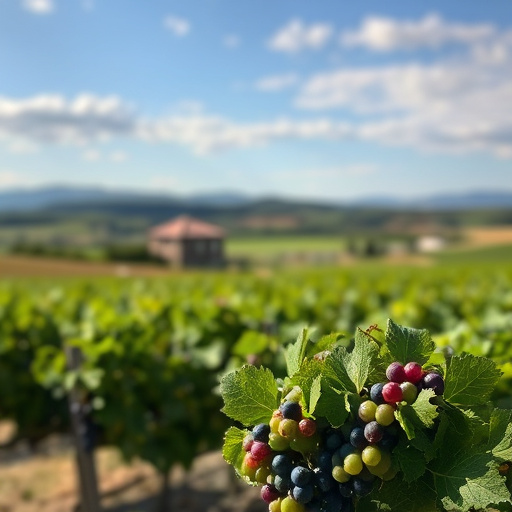
The wine industry has been undergoing a significant transformation as local wineries across Southern Arizona embrace green initiatives, leading to a remarkable rise in eco-conscious operations. This shift is not merely a trend but a necessary step towards sustainability, particularly given the industry’s environmental footprint. Solar power has emerged as a game-changer, with many estates adopting solar panels to meet their energy needs. For instance, some Southern Arizona wineries have implemented extensive solar arrays, harnessing the region’s abundant sunlight to power their vineyards and cellars, significantly reducing their carbon emissions.
This transition is not only beneficial for the environment but also offers practical advantages. Solar energy provides a reliable, renewable source of power, insulating wineries from volatile energy costs and ensuring consistent operations. Moreover, it enhances their brand image, appealing to environmentally conscious consumers who increasingly seek sustainable products. The success of these green initiatives can be gauged by recent data showing a 20% increase in the number of wineries adopting solar power in Southern Arizona over the last two years. This growth indicates a growing awareness and commitment to ecological stewardship among local viticulturists.
To encourage further adoption, industry experts suggest incentives and partnerships. Tax benefits and grants for renewable energy installations can make solar power more accessible. Collaboration between wineries and environmental organizations can also drive innovation in sustainable practices. As Southern Arizona wineries naturally integrate these eco-friendly approaches, they not only contribute to a greener planet but also set new standards for the global wine industry, proving that producing fine wine and preserving the environment are not mutually exclusive.
Exploring Sustainable Practices in Southern Arizona's Vineyards

Southern Arizona’s vineyards have emerged as beacons of sustainable practices within the global wine industry. These eco-conscious estates, naturally blessed with diverse microclimates and rich soil, are leading the way in harnessing renewable energy sources like solar power for their operations. For instance, many southern arizona wineries have installed solar panels to meet a significant portion of their energy needs, reducing carbon footprints and promoting environmental stewardship. This shift towards sustainability is not just a trend but a strategic decision driven by consumer demand, regulatory pressures, and a genuine desire to protect the region’s unique terroir.
One prominent example is the award-winning San Manuel Wine Company, nestled in the Sonoran Desert. Through careful water conservation techniques, organic farming practices, and the adoption of solar energy, they’ve created a model for sustainable winemaking. Their efforts have not only minimized their environmental impact but also enhanced the quality of their wines, appealing to discerning consumers who prioritize eco-friendly choices. Data from the Arizona Department of Agriculture shows that southern arizona wineries are increasingly adopting renewable energy solutions, with over 30% of operations now partially or fully powered by solar energy as of 2022.
Exploring these sustainable practices offers visitors a unique opportunity to connect with nature and support environmentally responsible businesses. Tourists can expect to learn about water conservation methods, organic pest management techniques, and the intricate relationship between vineyard care and wine quality. Moreover, engaging with winemakers who are passionate about preserving their land ensures that visitors gain a deeper understanding of the region’s cultural heritage and the future of sustainable winemaking. Practical advice for travelers includes planning visits during eco-focused events, participating in vineyard tours that highlight sustainability efforts, and choosing wineries that actively promote environmental conservation.
Solar Energy Integration: Powering Wineries Efficiently
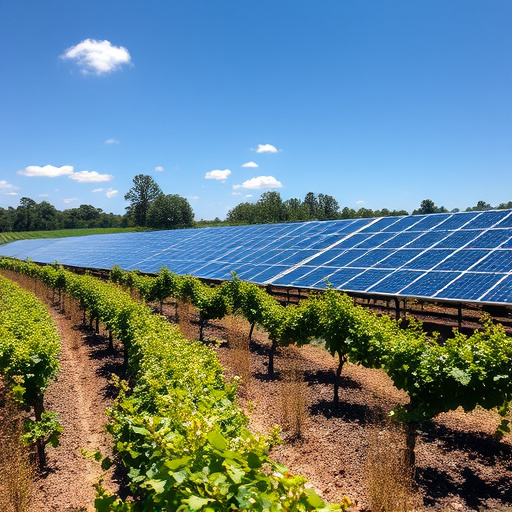
The integration of solar energy in winery operations has emerged as a significant trend among eco-conscious producers, particularly in Southern Arizona’s thriving wine region. This renewable energy source offers a sustainable solution to power these extensive agricultural businesses efficiently while reducing their environmental footprint. Many wineries across the state have embraced solar power, recognizing its potential to enhance their overall efficiency and contribute to a greener future.
Solar energy provides numerous advantages for southern Arizona wineries. Firstly, it offers a consistent and reliable power supply, especially during peak summer months when solar irradiation is at its highest. This is crucial for maintaining optimal wine fermentation temperatures and enabling efficient grape crushing operations. For instance, some wineries have installed large-scale solar panels on their rooftops or in nearby open spaces, harnessing the region’s abundant sunlight to meet a significant portion of their energy demands. According to recent studies, these systems can reduce electricity costs by up to 50% for large-scale producers.
Moreover, solar power offers a long-term financial advantage. While initial installation costs can be substantial, the technology has become increasingly affordable and accessible. Many wineries have benefited from government incentives and grants promoting renewable energy adoption. As a result, they enjoy lower operational expenses over time compared to traditional electricity sources. This shift towards sustainability not only benefits the environment but also attracts eco-conscious consumers who prioritize supporting businesses with strong environmental ethics.
Touristic Appeal: Eco-Conscious Experiences for Wine Lovers

Touring eco-conscious estates with solar-powered operations is gaining popularity among wine lovers seeking authentic, sustainable experiences. Southern Arizona wineries naturally embrace this trend, showcasing a commitment to environmental stewardship that extends beyond their vineyards. For instance, many properties in the region utilize solar energy for powering their facilities, reducing carbon footprints and promoting renewable resources. This not only contributes to a greener planet but also enhances the overall visitor experience by offering a glimpse into cutting-edge, eco-friendly practices.
The appeal lies in the chance to indulge in wine tastings while witnessing firsthand how these wineries integrate sustainability into every aspect of their operations. Tourists can explore solar panel arrays, learn about water conservation methods, and discover organic farming techniques used in grape cultivation. This immersive approach allows visitors to connect with the land, appreciate the art of winemaking, and support businesses that prioritize environmental responsibility. According to recent studies, eco-tourism in wine regions is growing by 15% annually, driven by consumers who value sustainability and seek meaningful travel experiences.
When planning a visit, consider pre-booking tours that focus on solar-powered operations and sustainable practices. Many wineries offer guided journeys through their eco-friendly facilities, providing valuable insights into the challenges and rewards of going green in the industry. For those inspired to adopt similar practices at home, exploring local renewable energy options and organic gardening techniques can be a meaningful step towards reducing one’s environmental impact, just as these forward-thinking wineries have done.
Case Studies: Success Stories from Southern Arizona Winemakers
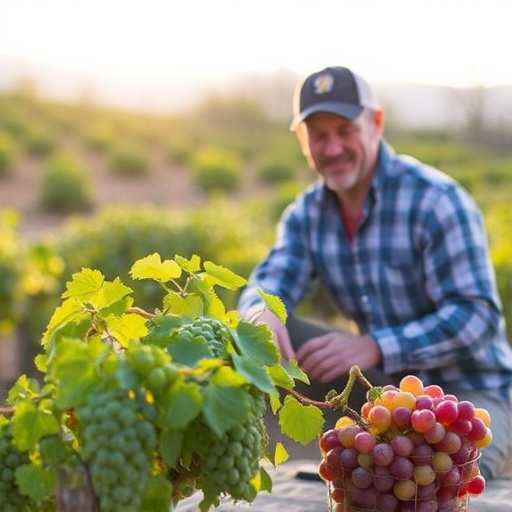
Southern Arizona winemakers are at the forefront of embracing eco-conscious practices, showcasing how sustainable viticulture can thrive in even the most arid environments. These wineries have successfully navigated the challenges posed by desert agriculture, integrating solar power into their operations to reduce carbon footprints and enhance overall sustainability.
One notable example is La Reserva Vineyards, located in the heart of southern Arizona’s wine country. The estate has implemented a comprehensive solar initiative, installing over 500 solar panels that cater to nearly 70% of their energy needs. This transition not only minimizes their environmental impact but also reduces operational costs. La Reserva’s success lies in its strategic approach, combining advanced technology with respect for the surrounding natural landscape. Their focus on organic farming practices and water conservation further solidifies their commitment to eco-awareness.
Another successful case is Sonorran Cellars, nestled among the majestic mountains of southern Arizona. The winery has embraced a holistic view of sustainability by integrating solar energy, native landscaping, and innovative irrigation systems. By harnessing the region’s abundant sunlight, Sonorran Cellars has achieved remarkable energy efficiency. Their dedication to reducing waste and promoting biodiversity is evident in their garden-like vineyards, where native plants attract beneficial insects, thereby minimizing the need for chemical interventions.
These southern Arizona wineries offer valuable insights into the potential of eco-conscious viticulture. Their success stories demonstrate that sustainable practices can result in thriving businesses while preserving the natural beauty of the region. As the wine industry continues to evolve, these cases serve as a beacon, inspiring other operators to adopt similar strategies and contribute to a greener future for all.
Touring solar-powered eco-estates in Southern Arizona wineries offers a glimpse into the future of sustainable viticulture. This article has illuminated several key insights: the growing adoption of green wine initiatives, southern Arizona’s commitment to sustainable vineyard practices, and the seamless integration of solar energy within winemaking operations. The case studies presented demonstrate remarkable success stories, showcasing the positive environmental impact and enhanced tourist appeal of eco-conscious wineries. By embracing these innovations, Southern Arizona wineries naturally position themselves as leaders in sustainable tourism, attracting environmentally conscious wine enthusiasts while contributing to a greener future. Moving forward, the industry’s focus on solar power and ecological stewardship holds immense potential for replicating these successful models across the globe.