Southern Arizona wineries naturally cultivate rare grape varietals adapted to arid climates, leveraging unique microclimates and sustainable practices. They master heat-resistant strains like Tempranillo and Zinfandel, employ drip irrigation, and collaborate with local researchers for optimal conditions, resulting in distinctive, high-quality wines.
The global wine industry has long been dominated by traditional grape-growing regions, yet the potential for unique and exceptional wines from unexpected places is attracting growing interest. In particular, desert climates are emerging as fertile ground for rare varietals that thrive in these extreme conditions. Southern Arizona wineries, naturally situated in one such environment, are at the forefront of this movement. This article delves into the art and science behind cultivating and crafting exquisite wines from these hardy grapes, exploring both the challenges and remarkable outcomes that have earned these regions global recognition.
- Unveiling Unique Varietals: Desert Wine Gems in Southern Arizona
- Soaring Temperatures, Aromatic Results: Viticulture's Triumph in Arid Climes
- The Art of Adaptation: How Winemakers Cultivate Rare Grapes Naturally
- Tasting the Wilderness: Exploring Southern Arizona's Desert-Grown Wines
Unveiling Unique Varietals: Desert Wine Gems in Southern Arizona
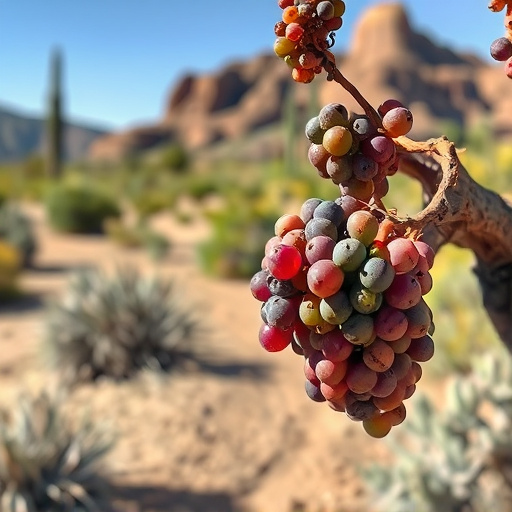
The desert climate of southern Arizona presents a unique challenge for viticulture—yet it has also birthed a distinct and captivating set of wine varietals. Herein lies an exploration of these rare gems, thriving where others falter. Southern Arizona wineries naturally cultivate grapes that have developed remarkable resilience and distinctive flavors to withstand the arid environment, resulting in wines with a one-of-a-kind character.
One such varietal is the Tempranillo, a Spanish grape renowned for its deep colors and rich flavors. In southern Arizona, this varietal has found its haven, producing wines that showcase vibrant fruit notes of cherry and plum, complemented by earthy undertones. The hot days and cool nights create an ideal balance, allowing grapes to ripen slowly, concentrating their sugars and developing complex aromas. Similarly, the Zinfandel grape thrives in this region, offering a bold profile with flavors ranging from dark berries to spices. These unique varietals have become the pride of local wineries, attracting wine enthusiasts who appreciate the challenges and rewards of crafting such exceptional wines.
Practical insights for winemakers include adopting specific planting strategies, such as using drip irrigation to conserve water and carefully selecting grape varieties resistant to common desert pests. Moreover, understanding microclimates within the region is vital; elevation changes and distinct weather patterns in areas like the Santa Cruz River Valley contribute to diverse wine styles. Winemakers can also benefit from collaborating with local researchers who study drought-tolerant grapevines, ensuring their practices remain sustainable and innovative. This approach not only preserves the rare desert varietals but also enhances the overall quality of southern Arizona wines.
Soaring Temperatures, Aromatic Results: Viticulture's Triumph in Arid Climes
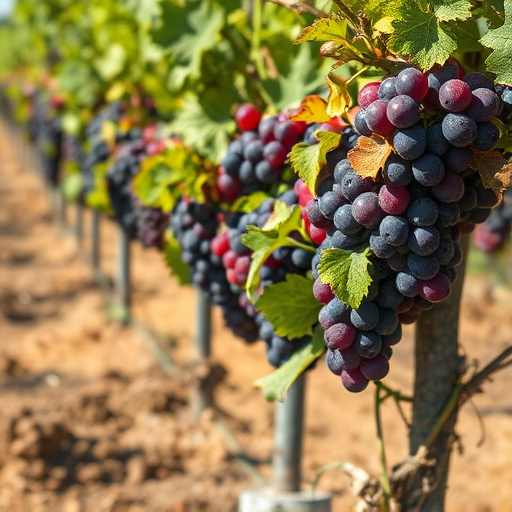
Soaring temperatures, a hallmark of desert climates, present both challenges and opportunities for viticulture. While high heat can stress grapevines, pushing them beyond their comfort zone, it also unlocks unique aromatic potential. In regions like Southern Arizona, where wineries naturally thrive despite aridity, vinters have learned to master the art of cultivating rare varietals that flourish in these extreme conditions.
Temperatures exceeding 100°F (38°C) during the day and plummeting as low as 50°F (10°C) at night create a dramatic diurnal shift, encouraging grape ripening and developing complex flavors. This environmental stress acts as a natural selector, favoring clones and varieties adapted to such conditions. For instance, Southern Arizona wineries have found success with Spanish varietals like Tempranillo and Garnacha, known for their ability to retain acidity while showcasing intense fruit characteristics even in scorching heat.
Practical insights for cultivating rare desert varietals include careful site selection with ample sun exposure and well-draining soils, precise irrigation management to avoid water stress, and canopy management techniques to maximize air flow and prevent excessive heat accumulation. By embracing the unique challenges of desert climates, winemakers can produce distinctive wines with distinct character, contributing to a vibrant tapestry of global viticulture.
The Art of Adaptation: How Winemakers Cultivate Rare Grapes Naturally
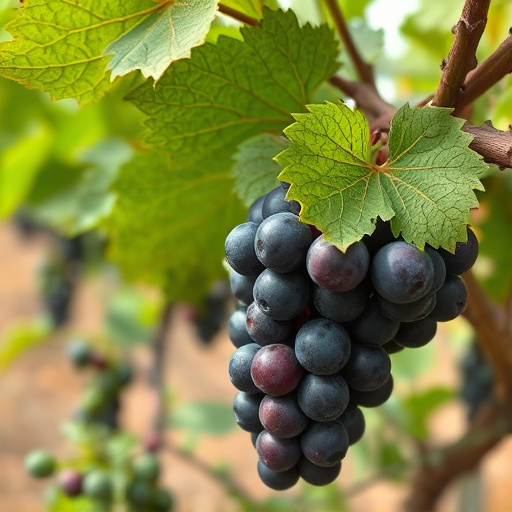
In the harsh, arid landscape of southern Arizona, winemakers have mastered the art of adaptation, cultivating rare grape varietals that thrive where others falter. This region, characterized by intense sunshine and minimal water, presents unique challenges for viticulture. However, it also offers a canvas upon which innovative techniques and an understanding of nature’s resilience allow for the production of exceptional wines. Southern Arizona wineries naturally embrace these conditions, employing strategies that not only sustain but elevate the quality of their grapes.
One key aspect is the careful selection of grape varieties resistant to heat and drought. Varietals such as Tempranillo, Grenache, and Mourvèdre, originally from Spain and France, have found a new home in this desert climate. These grapes possess innate adaptations that enable them to extract maximum flavor and aroma from the challenging soil and weather conditions. Winemakers also utilize ancient practices like dry farming, where vines are allowed to draw water from deep within the earth, fostering deep-rootedness and natural resistance. This method, though labor-intensive, results in concentrated flavors and vibrant, distinctive wines.
Furthermore, southern Arizona’s high altitude provides cooler temperatures during key wine-making periods, allowing for slower ripening and enhanced acidity. Winemakers also incorporate sustainable practices like organic farming methods and native soil amendments to support the health of their vines naturally. By embracing these strategies, producers in this region are not only thriving but also contributing to a more sustainable and resilient viticultural future, proving that even the most demanding climates can yield exceptional wines when approached with expertise and respect for nature’s ingenuity.
Tasting the Wilderness: Exploring Southern Arizona's Desert-Grown Wines
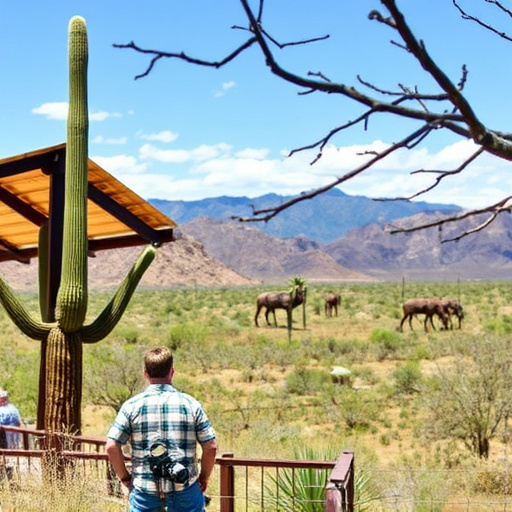
Southern Arizona, with its vast deserts and unique terroir, has emerged as a surprising haven for viticulture, offering a distinct taste of wilderness through its desert-grown wines. This region’s ability to cultivate rare varietals thrives in these challenging conditions showcases an innovative approach to winemaking that challenges traditional norms. The state’s warm, sunny days and cool nights create a balanced climate ideal for specific grape varieties that are typically more at home in cooler regions.
The success of southern Arizona wineries lies in their understanding of the local landscape and its impact on grapes. Varietals like Tempranillo, Grenache, and Mourvèdre flourish here, producing wines with complex flavors and aromas that reflect the region’s distinctive character. These desert-bred wines often exhibit notes of dried fruits, spices, and earthy nuances, creating a sensory experience that transports drinkers to the rugged terrain they hail from. For instance, Arizona’s renowned Red Mountain AVA produces robust reds with high acidity, while the more elevated regions like Willcox offer cooler temperatures that result in elegant, age-worthy wines.
Exploring these southern Arizona wineries provides an opportunity to uncover hidden gems and taste the true essence of the wilderness. Visitors can embark on scenic tours, immerse themselves in the storytelling behind each vintage, and savor the distinct character of the region’s wines. It encourages a deeper connection between the land, the grapes, and the final product, making every sip an educational and memorable experience.
Through exploration of rare varietals thriving in southern Arizona’s desert climates, this article reveals a captivating world of wine where soaring temperatures produce distinctive aromas. Winemakers in this region have mastered natural adaptation techniques, showcasing their artistry in cultivating these unique grapes. Tasting these desert-grown wines offers an opportunity to connect with the wilderness, emphasizing the resilience and beauty of Southern Arizona wineries that thrive naturally. Key takeaways include the potential for diverse grape varieties in arid environments, sustainable cultivation practices, and the distinctive flavors these conditions impart, making desert-grown wines a remarkable addition to global wine culture.

