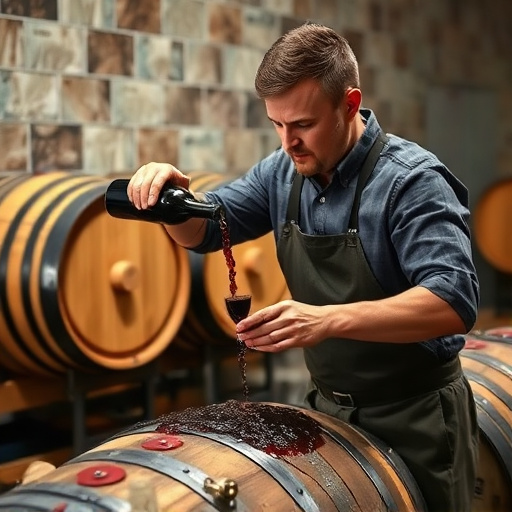
Southern Arizona's wine regions are a sign of the state's burgeoning wine industry, attracting enthusiasts and sommeliers alike. The region boasts distinct microclimates and unique terroirs, fostering a diverse range of grape varieties that craft exquisite wines. However, navigating the vibrant but varied landscape can be daunting. Many visitors grapple with the question: what makes a winemaker successful, and how does it differ from the role of a grape grower? This guide aims to demystify the region, providing insights into the unique characteristics of each wine country, from Sonoita to Willcox, and offering expert advice on the best wineries to visit, the most promising new releases, and the local practices that define Arizona's wine identity.
- Understanding Southern Arizona's Unique Wine Landscape
- The Role of Winemaker vs Grape Grower
- Exploring Key Wine Regions: Sonoita and Elgin
- Choosing Your Ideal Southern Arizona Wine Tour
Understanding Southern Arizona's Unique Wine Landscape
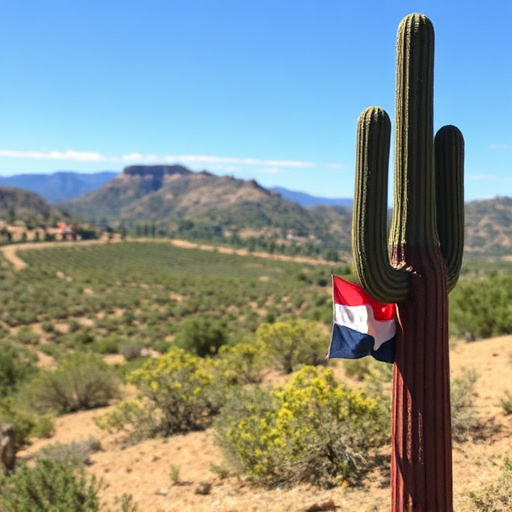
Southern Arizona's wine landscape is defined by a diverse mix of microclimates and terroirs, offering a unique blend of flavors and experiences. This region, with its varying elevations and distinct weather patterns, allows for a wide array of grape varieties to thrive. Here, the winemaker often plays a pivotal role, as they work closely with the land, choosing grape varieties and cultivation techniques suited to each specific site. This hands-on approach, coupled with the region's natural advantages, results in a diverse range of wines that showcase the terroir of Sonoita, Elgin, and Willcox.
One of the most notable distinctions in this wine region is the separation between winemaker and grape grower roles. Many small, family-owned operations pride themselves on this collaboration. The winemaker, often deeply rooted in the community, selects grapes from local farms, fostering a deep connection between vine and bottle. This relationship ensures that the grapes are not only sourced responsibly but also tailored to the winemaker's vision. A winemaker in Willcox might partner with nearby farmers to source their unique, sun-kissed grapes, creating a distinct flavor profile that reflects the region's identity.
The wine tour experience in southern Arizona adds another layer to understanding this terroir. Electric van wine tours, like those offered by Eco Buzz Tours, provide an efficient and sustainable way to explore these regions. These tours often include visits to diverse wineries, allowing guests to witness firsthand the unique challenges and opportunities presented by each microclimate. To showcasing the wine, these tours often highlight the region's vibrant food scene and picturesque landscapes, making them a popular choice for both locals and visitors.
Willcox, in particular, has gained recognition for its thriving wine industry. With a focus on sustainable practices and natural, low-intervention wines, local winemakers are leading the way in environmental stewardship. Many wineries in this region offer tastings in their charming, rustic tasting rooms, providing a warm and inviting atmosphere. Some properties feature on-site picnic areas and live music, creating an immersive experience that showcases the region's vibrant culture and community.
The Role of Winemaker vs Grape Grower
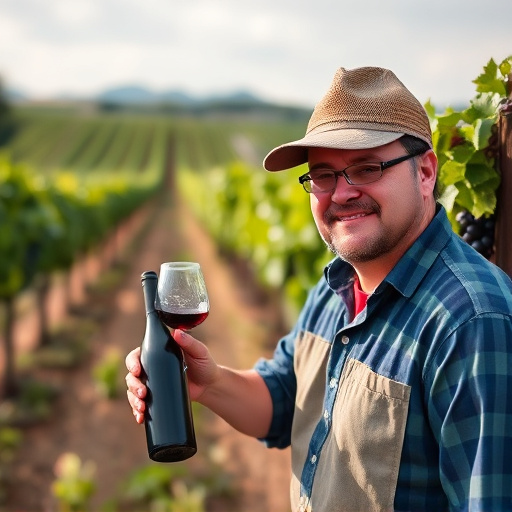
In the vibrant wine landscape of southern Arizona, the roles of winemaker and grape grower are intertwined, yet distinct. While grape growers provide the foundation, cultivating the land and producing the grapes, winemakers bring their expertise to transform these raw materials into the finished product. This dynamic interplay is a key aspect that contributes to the unique character and quality of Arizona wines.
In regions like Sonoita, a local Tucson wine tour operator often highlights the close collaboration between winemakers and grape growers. Here, many winemakers are deeply involved in the cultivation process, selecting specific grape varieties and working closely with growers to ensure optimal fruit quality. This hands-on approach results in a deep understanding of the terroir and the ability to craft wines that truly reflect the region. Some winemakers may choose to source their grapes from local farms, fostering a strong connection between the vineyard and the winery. This practice not only supports the regional agriculture but also ensures a consistent supply of high-quality grapes.
The winemaker's role extends beyond the vineyard. During the winemaking process, their expertise shines as they guide the transformation of grapes into wine. This includes decisions on fermentation techniques, aging, and blending to create the desired flavor profile. Winemakers may also experiment with different barrel types and aging regimens, contributing to the complexity and character of the final product. Tasting rooms in these wineries often serve as hubs for guests to connect with the winemaker, learn about the wines, and enjoy the ambiance, providing a unique insight into the art and science of winemaking.
Exploring Key Wine Regions: Sonoita and Elgin
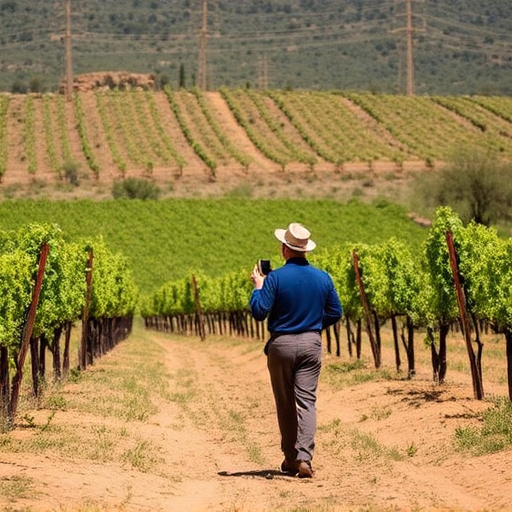
Southern Arizona's wine regions are a sign of the state's burgeoning wine industry, with each area boasting unique terroir and a distinct character. Among these, Sonoita and Elgin stand out as key wine-producing hubs, each with its own set of microclimates and soil types that shape the flavors of the wines crafted there.
Sonoita, nestled in the mountains, benefits from cooler temperatures and higher elevations, leading to a slower ripening process for grapes. This results in wines known for their bright acidity and crisp flavors. Local winemakers, often operating small, family-owned establishments, focus on natural and low-interventionist practices, emphasizing the inherent characteristics of the land. Elgin, on the other hand, enjoys a warmer climate, which ripens grapes fully, contributing to the region's renowned full-bodied reds and rich white wines. Here, the winemaker vs. Grape grower dynamic is evident, with many producers closely involved in every step of the process, from cultivating unique grape varieties to crafting small-batch wines in their on-site cellars.
Exploring these regions offers a chance to discover diverse wine experiences. Both areas boast welcoming wineries with picturesque tasting rooms, many featuring stunning views of the surrounding landscapes. Some wineries even offer live music on certain days, creating a vibrant atmosphere for visitors. Others provide unique amenities like picnic areas, dog-friendly policies, and on-site food pairings, ensuring a memorable day trip. A local guide who drives guests to both Sonoita and Elgin wineries can offer insights into the region's history, explain the different wine styles, and ensure visitors enjoy the best that each area has to offer. When visiting, keep an eye out for the diverse grape varieties cultivated locally, as each winery has its own selection, allowing for a personalized wine discovery journey.
Choosing Your Ideal Southern Arizona Wine Tour
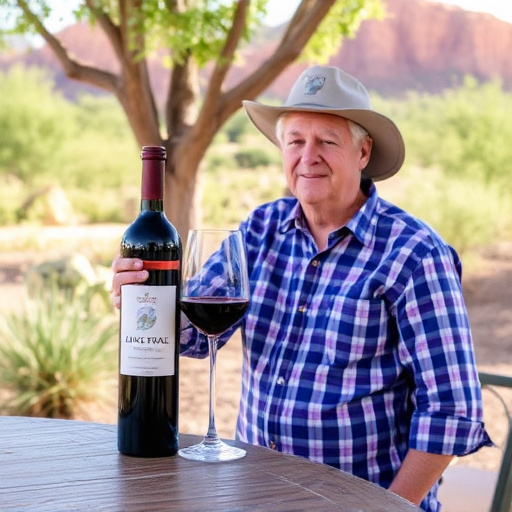
When planning your ideal southern Arizona wine tour, the choice between a winemaker and a grape grower can significantly impact your experience. Local guides, like those from Eco Buzz Tours, can offer valuable insights into these distinct roles. In regions like Sonoita and Elgin, winemakers are often closely tied to the land, crafting unique blends that capture the specific terroir. By contrast, grape growers focus on cultivating high-quality grapes, ensuring the raw material for future vintages.
Wineries near Sonoita, for instance, showcase these diverse perspectives. Some operations emphasize the art of winemaking, with tasting rooms showcasing the winemaker's skill and creativity. Others, like many in the Elgin area, prioritize the science and precision of grape cultivation, offering insights into sustainable practices and the role of terroir in final wine character. When choosing a tour, consider your interest in these aspects. A local guide can tailor the experience to your preferences, whether you want to examine the intricacies of barrel aging, learn about the winemaker's art, or explore the vast variety of grapes grown in the region.
For a more immersive experience, many wineries also offer picnic areas, live music, and food pairings. These amenities, available at locations throughout southern Arizona, add to the enjoyment of a wine tour. Direct-to-consumer sales and wine club shipments are common, making it easy to purchase and enjoy Arizona wines beyond the tour. With a diverse range of wineries, each with its own unique character and offerings, southern Arizona offers a rich and varied wine tour experience for every palate and interest.
Frequently Asked Questions About a Guide to the Wine Regions of Southern Arizona
What are the primary wine-producing areas in southern Arizona?
Southern Arizona boasts several renowned wine regions, each with unique terroir and characteristics. The most prominent areas include Sonoita, Elgin, and Tucson. Sonoita, known for its hot, dry climate, produces robust red wines from varieties like Grenache and Syrah. Elgin, with its cooler temperatures, is ideal for white grapes, particularly Viognier and Sauvignon Blanc. Tucson, nestled in a valley, offers a mix of warm days and cool nights, contributing to the production of versatile reds and whites.
How do I plan a wine tour in this region?
Planning a wine tour in southern Arizona is straightforward. Many local tour operators, like Eco Buzz Tours, offer guided tours in comfortable vehicles, often electric vans. These tours typically include visits to multiple wineries, providing an efficient way to experience the region's offerings. You can book tours online or through local tourism boards, ensuring a memorable and educational experience.
What types of wines are produced in these regions?
The wine styles vary based on region and climate. In general, you'll find a diverse range, including full-bodied reds like Zinfandel and Tempranillo, as well as crisp white wines like Riesling and Chardonnay. The region's unique terroir also encourages the production of more unusual varieties, such as Grenache Blanc and Touriga Nacional.
Are there any wineries that cater to vegan or vegetarian visitors?
Absolutely. Many wineries in southern Arizona are accommodating to dietary preferences. Some even have dedicated vegan or vegetarian options in their tastings. Some Tucson wineries offer plant-based charcuterie boards to pair with their wines. Always inquire in advance or check the winery's website for specific details on their offerings.
Can I visit the wineries on my own without a tour?
Absolutely. Many wineries welcome individual visitors. However, navigating multiple locations can be logistically challenging. Tours provide a convenient and efficient way to experience the region's wineries, especially for first-time visitors. Still, if you prefer to explore independently, some wineries offer self-guided tours and tasting options.
What is the best time of year to visit?
The best time to visit depends on your preferences. Spring (April-May) offers mild temperatures and vibrant landscapes, ideal for exploring. Summer (June-August) is peak tasting season, with hot days perfect for enjoying outdoor patio tastings. Fall (September-October) brings cooler weather and vibrant foliage, while winter (November-March) is quieter, suitable for those seeking quieter visits and lower rates.
As you've explored the wine regions of southern Arizona, you've gained a deep understanding of the unique terroir that shapes its diverse wines. The key takeaway is the intricate relationship between winemaker and grape grower - two sides of the same coin, each vital to the final product. This dynamic interplay is particularly notable in regions like Sonoita and Elgin, where microclimates and distinct soil types foster unique grape varieties.
By choosing a wine tour tailored to your preferences, whether you're a fan of small, family-owned operations or seeking immersive experiences, you can examine deeper into this vibrant industry. Consider the options available throughout the week, as many wineries are open beyond the traditional weekend schedule. With a growing number of wineries across the state, Arizona's wine industry is thriving, offering a rich mix of flavors and stories.
Next steps for wine enthusiasts could include joining a local wine club for regular shipments, exploring direct-to-consumer sales, or even visiting these regions to experience the magic firsthand. By supporting local winemakers and grape growers, you contribute to the continued success and evolution of southern Arizona's wine landscape.
Southern Arizona's wine regions thrive on diverse microclimates and terroirs, fostering a wide range of flavors. Winemakers, often deeply rooted in the community, collaborate closely with grape growers to source locally grown grapes and craft distinctive wines. The region is known for its unique winemaker-grape grower dynamic, sustainable practices, and vibrant food scenes. Electric van tours, like those offered by Eco Buzz Tours, allow visitors to explore these regions responsibly and enjoy the local culture. Key wine hubs include Sonoita, Elgin, and Willcox, each with its distinct terroir, wine styles, and unique experiences.