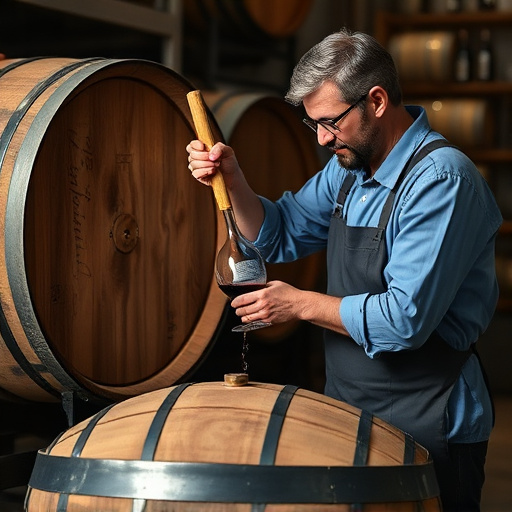
The Arizona wine industry has experienced remarkable growth attracting both local enthusiasts and international wine connoisseurs. This surge in popularity has revitalized small family wineries and created a vibrant, diverse landscape of wine regions, from the rolling hills of Sonoita to the sun-drenched vineyards of Willcox. However, navigating this burgeoning industry can be challenging for consumers, with questions arising about wine production, tasting room hours, and unique amenities. This article explores the thriving wine regions of southern Arizona, examining the stories of winemakers, the allure of distinct terroirs, and the evolving experiences that draw visitors to these picturesque vineyards, offering a practical guide to the best that Arizona's wine country has to offer.
- Arizona's Wine Country: A Rising Star
- The Evolution of Winemaking in the Desert
- Exploring Unique Winery Architecture
- Tourism Boosts Local Wine Economy
Arizona's Wine Country: A Rising Star

The Arizona wine industry has emerged as a vibrant, dynamic force in the American wine landscape, with southern Arizona's wine regions leading the charge. This growth is driven not only by the state's unique terroir but also by a new generation of passionate winemakers and a thriving tourism sector. The state's wine country, with its diverse microclimates and varied elevations, is home to a burgeoning number of wineries, each offering unique estate wines that capture the essence of their specific region.
Take, for instance, the picturesque town of Sonoita, known for its rugged landscapes and crisp air. Here, a small group Sonoita wine tour guide can lead you through the lush vineyards and quaint wineries, showcasing the area's signature varietal, the vibrant, full-bodied Syrah. Across the region, Willcox and Elgin also stand out for their distinct wine-making traditions. Willcox, with its hot, dry summers and cool nights, is ideal for cultivating grapes with intense flavors, while the Elgin region benefits from longer growing seasons, resulting in well-balanced, complex wines.
The success of these southern Arizona wineries can be attributed to their commitment to sustainable practices and an unwavering focus on quality. Many producers here are small, family-owned operations that prioritize hand-harvesting and minimal intervention in the winemaking process, creating natural, pure wines that reflect the region's unique character. The industry's growth has also led to a thriving wine tourism sector, with many wineries offering picturesque settings, live music, and delicious food pairings. From the stunning winery architecture and views to the welcoming tasting rooms, these destinations attract visitors seeking not just excellent wines but also memorable experiences.
The Evolution of Winemaking in the Desert
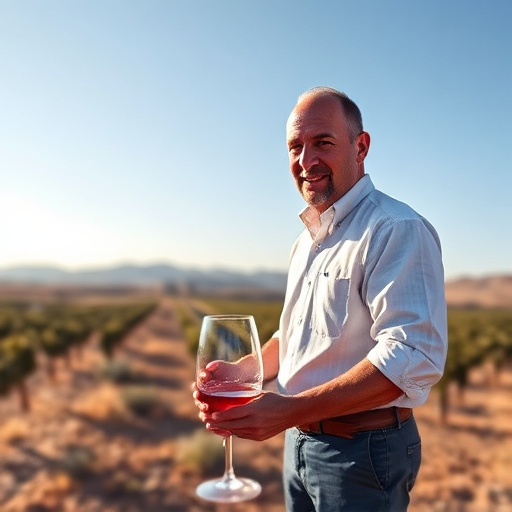
The evolution of winemaking in Arizona's desert landscapes has been nothing short of remarkable. As the state's wine industry has boomed, particularly in regions like Sonoita and Elgin, winemakers have embraced the unique challenges posed by the arid climate and diverse terroirs. This has resulted in a vibrant ecosystem of small, family-owned wineries that produce estate wines, each with its own distinctive character.
Winery architecture and views in these desert wine regions reflect the area's natural beauty. Many wineries are nestled in the foothills of the Gila National Forest, offering breathtaking vistas of rugged mountains and sprawling vineyards. This picturesque setting not only attracts visitors but also inspires winemakers to create wines that capture the essence of the land. The dry heat and long days of summer in southern Arizona allow grapes to ripen fully, resulting in full-bodied reds and vibrant white wines.
The growth of the Arizona wine industry can be attributed to several factors. First, the region's diverse microclimates and varied elevations provide a wide range of terroirs, allowing for the cultivation of numerous grape varieties. This diversity has led to a flourishing of unique, high-quality wines. The state's commitment to sustainable practices has led many wineries to adopt organic and biodynamic farming methods, further enhancing the quality and authenticity of their products. As a local guide who drives guests to Sonoita and Elgin wineries can attest, the experience goes beyond just tasting; it's about immersing oneself in the rich history and vibrant culture of these desert wine regions.
The industry's growth has also been fueled by a strong community of winemakers who support each other and collaborate to elevate the Arizona wine brand. This sense of community has fostered a thriving wine club culture, with many wineries offering direct-to-consumer sales and shipping options. Live music, picnics, and food pairings have become integral parts of the winery experience, drawing locals and visitors alike. As the industry continues to evolve, Arizona's wine regions are poised to become destinations of choice for wine enthusiasts seeking not just exceptional wines but also memorable experiences and stunning winery architecture and views.
Exploring Unique Winery Architecture

The growth of Arizona's wine industry has been marked by a unique blend of terroir and innovation, particularly in the southern regions like Elgin and Willcox. As the industry has expanded, so has the diversity and quality of the wineries, with many embracing distinctive architectures and breathtaking views. This trend is a sign of the region's natural attributes and the dedication of local winemakers.
In the heart of the Gila National Forest, you'll find the quaint town of Willcox, known for its robust wine production. The wineries here often showcase rustic, barn-like structures that blend seamlessly with the surrounding landscape. These establishments offer more than just wine tastings; they provide visitors with a chance to immerse themselves in the natural beauty of southern Arizona. Many Willcox wineries feature expansive decks and picnic areas, allowing guests to savor their wines while enjoying the fresh air and scenic views. This blend of agricultural charm and natural beauty has attracted both local and out-of-state wine enthusiasts.
Elgin, another thriving wine region, showcases a slightly different aesthetic. Here, wineries often boast modern, yet cozy, tasting rooms and event spaces. The architecture often incorporates local materials and designs that reflect the region's rich cultural heritage. These establishments often double as community hubs, hosting live music events, art exhibitions, and food festivals. A Tucson winery and brewery tour company, for example, emphasizes the importance of these events in fostering a sense of community and enhancing the overall visitor experience. The unique winery architecture and views in Elgin create a vibrant atmosphere that complements the high-quality wines produced in the region.
Beyond the architectural marvels, the growth of Arizona's wine industry is evident in its diverse grape varieties and innovative winemaking techniques. Winemakers in these regions are experimenting with natural and low-intervention methods, ensuring that the distinct character of each vineyard is preserved in the final product. This commitment to quality and authenticity has positioned Arizona as a rising star on the national wine map. As the industry continues to evolve, the combination of remarkable terroir, innovative practices, and captivating winery architecture and views will undoubtedly attract even more wine lovers to explore the vibrant southern Arizona wine regions.
Tourism Boosts Local Wine Economy
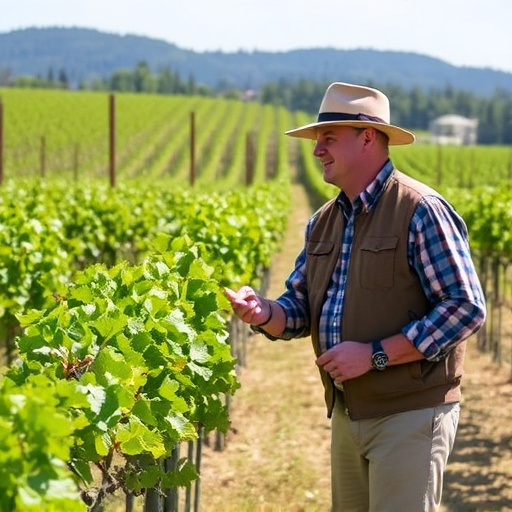
The Arizona wine industry has experienced significant growth over the past decade, driven in large part by the state's thriving tourism sector. Southern Arizona, with its diverse microclimates and high-quality grapes, is home to a vibrant wine culture that attracts visitors from around the world. This surge in tourism has had a direct, positive impact on local wineries, leading to increased revenue, new jobs, and a broader, more diverse consumer base.
One key aspect contributing to this growth is the winery architecture and views found throughout the region. From the picturesque hills of Sonoita to the vast, open spaces of Elgin, wineries in southern Arizona offer stunning landscapes that enhance the overall visitor experience. Many of these establishments have meticulously designed tasting rooms and outdoor spaces, encouraging guests to linger longer and enjoy the local ambiance. Eco Buzz Tours, a local tour operator, frequently highlights the architectural and scenic wonders of area wineries, providing visitors with a unique and immersive experience.
The number of wineries in southern Arizona has also increased, reflecting the industry's expansion. This growth is due not only to the region's natural advantages but also to a thriving community of small, family-owned operations. These wineries often emphasize sustainable practices, natural and low-intervention winemaking techniques, and unique grape varieties, appealing to discerning, value-conscious consumers. This diverse wine portfolio, coupled with the region's welcoming atmosphere, makes southern Arizona a must-visit destination for wine enthusiasts, further boosting the local economy.
Frequently Asked Questions About a look at the growth of the Arizona wine industry
What is the history of Arizona's wine industry?
Arizona's wine industry has a rich history dating back to the 1800s when early settlers planted the first grapevines. However, it wasn't until the 1970s and 80s that the industry began to flourish. Today, Arizona boasts over 100 wineries, with the majority located in the central and southern parts of the state, particularly in the Gila and Santa Cruz valleys. The industry's growth is attributed to favorable climate conditions, diverse soil types, and a commitment from local vintners to produce high-quality wines.
Where can I find wineries in Arizona?
Arizona's wineries are primarily located in the central and southern regions, with notable concentrations in the Gila and Santa Cruz valleys. These areas benefit from ideal growing conditions, including warm days and cool nights, which are perfect for grape cultivation. Many wineries are also situated near national forests and scenic landscapes, offering visitors a unique blend of wine tasting and outdoor recreation.
What types of wines are produced in Arizona?
Arizona's diverse climate and soil allow for the cultivation of a wide range of grape varieties, leading to the production of various wine styles. The state is known for its excellent red wines, particularly those made from Grenache, Syrah, and Zinfandel grapes. However, white wines, such as Viognier and Chardonnay, also thrive in Arizona's climate. Some producers even experiment with unique varieties like Tempranillo and Touriga Nacional, further showcasing the region's versatility.
Are there any notable wine regions within Arizona?
Absolutely. While Arizona doesn't have the same recognition as more established wine regions, several of its areas have gained notable reputations. The Sorate Region, for instance, is known for its premium wines, particularly the Bordeaux-style blends. The Verde Valley is another emerging wine region recognized for its high-altitude grapes and distinctive flavors. These regions contribute to Arizona's growing wine tourism, attracting visitors who appreciate unique wine experiences.
How has Arizona's wine industry evolved over the past decade?
The past decade has seen significant growth and maturation in Arizona's wine industry. There has been a notable increase in the number of wineries, particularly boutique and family-owned operations. The industry has also seen a rise in wine tourism, with many wineries offering tours, tastings, and accommodations. This growth is attributed to increased consumer interest in local and artisanal wines, as well as the efforts of dedicated winemakers who continue to refine their craft.
Are there any events or festivals centered around Arizona wine?
Absolutely! Arizona hosts several wine-focused events and festivals throughout the year. The Arizona Wine Week, held annually in May, celebrates the state's wine industry with tastings, seminars, and tours. The Sedona Wine Festival, another popular event, showcases the region's wines and offers a unique blend of art, music, and culinary experiences. These events not only promote Arizona wines but also contribute to the state's vibrant cultural scene.
What are some notable Arizona wineries to visit?
Arizona offers a diverse range of wineries to suit every palate. Some notable stops include:
- Manzanos RV Park & Winery: Located near Silver City, this winery is known for its rustic charm and a wide selection of wines.
- Tantava Wine Cellars: Situated in the heart of the Sorate Region, Tantava offers stunning views and exquisite wines.
- Hightowne Cellars: This family-owned winery in Bisbee is renowned for its unique, small-batch wines.
The growth of Arizona's wine industry is not just a story of grapes in the sun; it's a vibrant mix woven with history, terroir, and innovative practices. From the unique winery architecture and breathtaking views that define the landscape, to the thriving tourism that fuels local economies, the industry has embraced both tradition and modernity. The article highlights the distinct wine regions, such as Sonoita and Willcox, each with its own character and grape varieties, fostering a rich and diverse wine culture. This success is built on sustainable practices, direct-to-consumer sales, and a commitment to quality, as evidenced by the numerous award-winning wines produced. Moving forward, the industry's focus on unique experiences, like winery weddings and dog-friendly environments, combined with a strategic look at shipping and cellar aging, positions Arizona's wine country for continued success, attracting both local and distant wine enthusiasts.
The Arizona wine industry has emerged as a dynamic force, driven by unique terroir, passionate winemakers, and a thriving tourism sector. Southern regions like Sonoita, Willcox, and Elgin showcase diverse microclimates, high-quality grapes, and vibrant wine cultures. Winery architecture and views are key attractions, with picturesque settings enhancing the experience. The industry's growth is fueled by sustainable practices, small, family-owned operations, and a diverse range of high-quality wines. This makes Arizona a must-visit destination for wine enthusiasts.