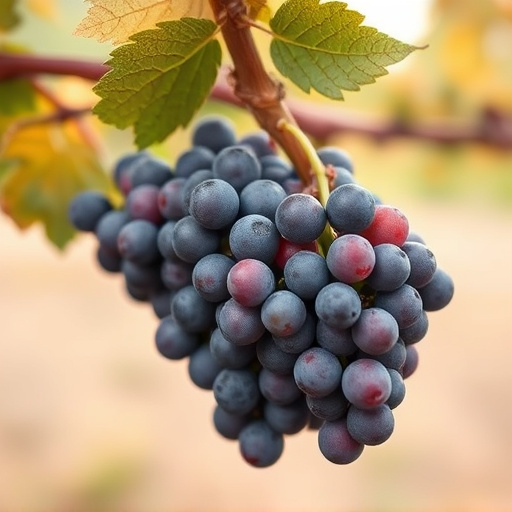
Southern Arizona wineries naturally harness high-elevation vineyards in the Sonoran Desert to produce distinctive, intense wines from varietals like Grenache, Syrah, and Mourvèdre. Optimal harvest peaks in mid-September to late October. Winemakers employ traditional, sustainable methods, monitor sugar and pH levels, and use advanced techniques for sorting, destemming, fermentation management, and oak aging. Innovative practices like micro-oxygenation enhance texture and aging potential. The final blend creates a reserve bottle embodying the region's essence, offering wine enthusiasts a unique tasting experience.
High-elevation vineyards in southern Arizona have emerged as a surprising yet thriving ecosystem for grape cultivation, challenging conventional wisdom about wine production. This region’s unique climate and soil conditions present both opportunities and challenges for winemakers, particularly when it comes to sourcing premium grapes for reserve bottles. The focus of this article is to delve into the art and science behind sampling these exceptional high-altitude grapes, naturally cultivated in southern Arizona wineries. By exploring successful cultivation techniques and assessing the quality of reserve wines, we provide valuable insights for both industry professionals and enthusiasts curious about this rising wine region.
- Harvesting High-Elevation Grapes in Southern Arizona Wineries
- Crafting Reserve Bottles: The Art and Science Behind the Process
Harvesting High-Elevation Grapes in Southern Arizona Wineries
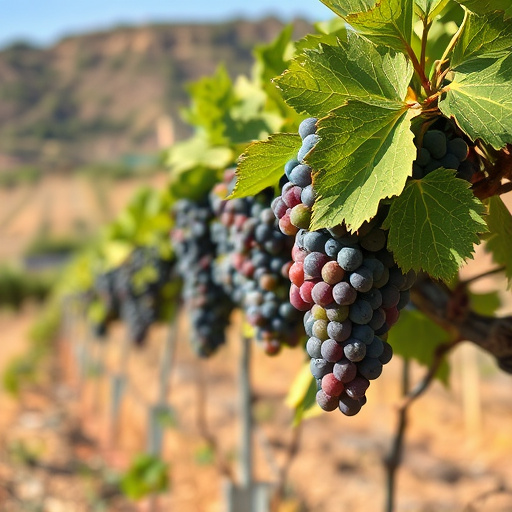
Southern Arizona wineries have long recognized the unique advantages of harvesting high-elevation grapes, which contribute significantly to the distinct character of their wines. The region’s elevated vineyards, nestled in the Sonoran Desert, benefit from sunny days, cool nights, and mineral-rich soils—ideal conditions for cultivating varietals like Grenache, Syrah, and Mourvèdre. These high-altitude grapes develop intense flavors and aromas, often with notes of red fruits, spices, and herbs.
The harvest season in southern Arizona wineries typically peaks between mid-September and late October, when the grapes reach optimal ripeness without losing their acidity. Winemakers carefully monitor sugar levels and pH to ensure they achieve the perfect balance for each varietal. Many of the region’s small-batch producers embrace traditional methods, including gravity-flow pressing and native yeast fermentations, to preserve the grapes’ inherent characteristics. These practices, combined with the unique terroir, result in wines that are both complex and expressive of their origin.
Practical advice for wine enthusiasts exploring these high-elevation bottlings is to look for producers who are committed to sustainable practices and organic viticulture. Southern Arizona wineries naturally embrace these principles, ensuring not only the quality of their grapes but also the preservation of the region’s delicate ecosystem. Tasting rooms and tours offer opportunities to learn about the harvest process, engage with winemakers, and gain a deeper appreciation for how geography and climate shape the final product.
Crafting Reserve Bottles: The Art and Science Behind the Process
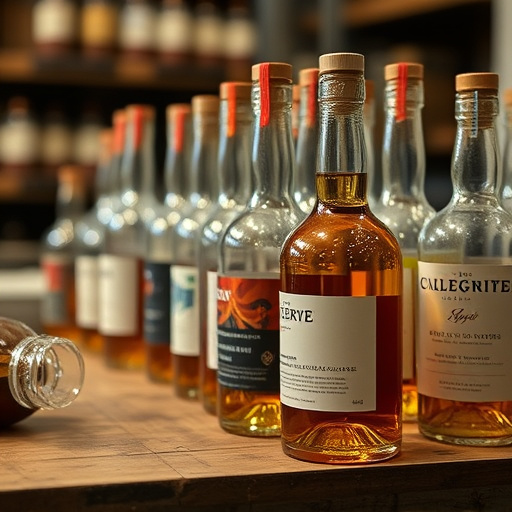
The art of crafting reserve bottles begins with the unique terroir of southern Arizona wineries. High elevation vineyards, nestled in the majestic landscapes of this region, offer distinct characteristics to grapevines, resulting in wines that are both complex and nuanced. Winemakers in southern Arizona meticulously select grapes at optimal ripeness, utilizing advanced harvest techniques to preserve aromatic compounds and tannins. This precision ensures that each bottle reflects the unique expressions of the terroir.
The science behind the process involves a series of meticulous steps. After harvesting, grapes undergo careful sorting and destemming to maintain quality. Fermentation is managed with a fine balance of yeast strains and temperature control, allowing for the development of elegant aromatics and flavors. Malolactic fermentation, a crucial step in softening the wine’s structure, is monitored closely to achieve the desired balance. Aging in oak barrels selected for their ability to impart subtle vanilla and spice notes further enhances the wine’s complexity.
Expert winemakers in southern Arizona wineries employ innovative techniques like micro-oxygenation to gently introduce oxygen during aging, promoting smoother texture and improved aging potential. The final blend is a harmonious marriage of different grape varieties and batches, resulting in a reserve bottle that truly embodies the essence of this remarkable region. This meticulous approach ensures that each reserve bottle not only meets but exceeds expectations, offering wine enthusiasts a unique and memorable tasting experience.
The exploration of high-elevation Arizona grapes and their role in southern Arizona wineries highlights a unique and thriving viticultural landscape. This article offers valuable insights into the art and science behind crafting reserve bottles, showcasing the meticulous process that transforms these special grapes into exceptional wines. Key takeaways include the significance of harvesting techniques tailored to the region’s elevation, the delicate balance in winemaking, and the potential for southern Arizona wineries to produce distinctive, high-quality vintages. By understanding these principles, winemakers can further refine their practices, contributing to the reputation and success of the local wine industry, all while offering enthusiasts a chance to appreciate the distinct character of these reserve bottles.