
Southern Arizona wineries naturally embrace organic viticulture to produce high-quality, environment-preserving wines. Key practices include holistic soil management, integrated pest control, precision viticulture, sustainable harvesting techniques tailored to local climate, and innovative fermentation methods. Winemakers leverage native grape varieties, temperature control, and alternative techniques for distinctive terroir-driven wines, preserving ecosystem and regional heritage while competing in the global market.
As the global wine industry evolves, embracing sustainable practices has become paramount. Organic viticulture, a holistic approach to grape cultivation, is gaining traction among forward-thinking producers, even in challenging climates like Southern Arizona’s. Here, wineries are naturally adapting these methods, not only for environmental benefits but also to enhance terroir and produce exceptional wines. This article delves into the educational vineyards that are at the forefront of this movement, offering insights into organic viticulture techniques that promise a brighter future for both wine quality and environmental stewardship.
- Discovering Organic Viticulture: Principles for Southern Arizona Winemakers
- Soil to Bottle: Natural Practices at Educational Vineyard Sites
- Sustainable Harvesting: Techniques for Quality Grapes in Southern Arizona
- The Art of Fermentation: Crafting Unique Wines from Local Grape Varieties
Discovering Organic Viticulture: Principles for Southern Arizona Winemakers
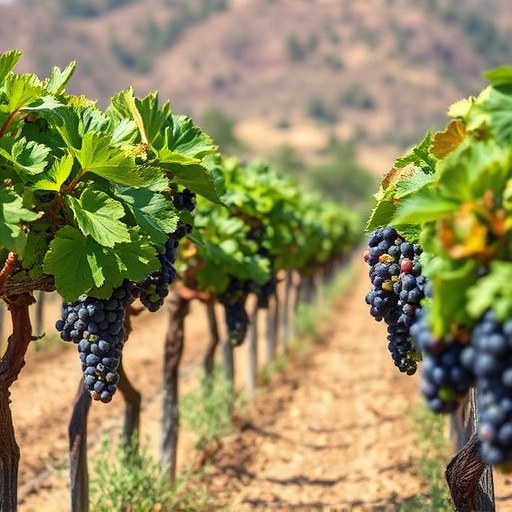
In the vibrant landscape of southern Arizona wineries, organic viticulture is not just a trend but an essential practice for those committed to producing exceptional wines while preserving the environment. This region, known for its unique terroir, benefits from organic methods that align with the natural cycles of the land and promote sustainable agriculture. By embracing these principles, winemakers can create wines that showcase the distinctive characteristics of southern Arizona’s terroir.
Organic viticulture emphasizes holistic approaches to vineyard management, focusing on building healthy soil, minimizing chemical inputs, and fostering biodiversity. Winemakers in this region are discovering that organic practices can lead to more resilient vineyards, improved wine quality, and reduced environmental impact. For instance, using cover crops and compost instead of synthetic fertilizers can enhance soil fertility and nutrient availability while promoting beneficial insect populations that naturally control pests. This holistic approach not only benefits the vineyard but also contributes to the overall health of the ecosystem.
Practical insights for southern Arizona winemakers include adopting integrated pest management strategies, such as introducing natural predators to manage grapevine pests. Additionally, organic viticulture encourages precision viticulture techniques, like targeted irrigation and canopy management, to optimize fruit quality and reduce water usage. These practices are especially valuable in a region known for its variable climate and water scarcity issues. By implementing these principles, winemakers can produce high-quality grapes naturally, ensuring the distinctiveness and sustainability of southern Arizona’s wine heritage.
Soil to Bottle: Natural Practices at Educational Vineyard Sites
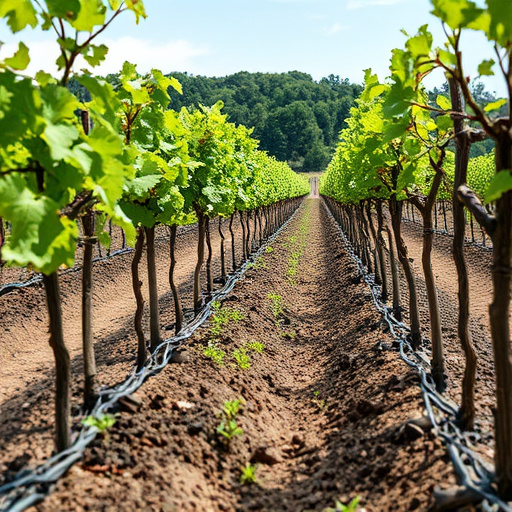
In the heart of Southern Arizona winelands, educational vineyard sites stand as living laboratories for organic viticulture. These havens not only offer scenic beauty but also serve as incubators for innovative, nature-based practices that have transformed the way wine is grown and produced. At the core of this revolution lies a holistic approach to winemaking, where every aspect from soil health to bottle quality is meticulously nurtured.
Soil, often referred to as the “lifeblood” of vineyards, is the primary focus for organic practitioners. Southern Arizona wineries naturally leverage diverse soil amendments like compost and organic matter to enrich the earth, fostering robust root systems in vines. This method not only enhances fruit quality but also contributes to long-term soil sustainability. For instance, some pioneer sites have recorded significant improvements in soil organic carbon content after adopting these practices, leading to healthier ecosystems and more resilient crops.
Natural pest management is another cornerstone of organic viticulture. Instead of relying on synthetic pesticides, vineyard managers employ biological control agents, beneficial insects, and crop rotation techniques. These methods not only minimize the environmental impact but also preserve the delicate balance of local ecosystems. In fact, studies have shown that organic vineyards support a higher diversity of beneficial insects, birds, and other wildlife, making them thriving habitats within the larger agricultural landscape.
The journey from soil to bottle is a testament to the interconnectedness of sustainable viticulture. By embracing natural practices, Southern Arizona wineries are not only producing high-quality, distinctive wines but also contributing to the preservation of our region’s unique terroir. This commitment to organic methods ensures that future generations will enjoy the benefits of a thriving agricultural ecosystem, where each vintage tells a story of harmony between humanity and nature.
Sustainable Harvesting: Techniques for Quality Grapes in Southern Arizona
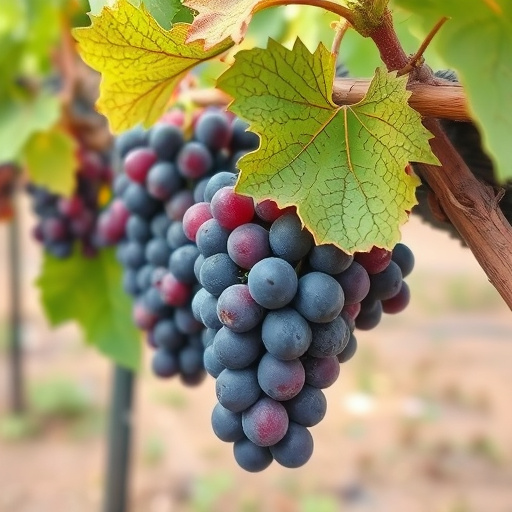
Southern Arizona, with its unique climate and diverse microclimates, presents a fascinating challenge for vineyard managers aiming to practice organic viticulture. The region’s wineries, known for their robust and distinctive wines, are increasingly adopting sustainable harvesting techniques to ensure high-quality grapes while minimizing environmental impact. This approach is pivotal not just for the health of the vines but also for the preservation of the delicate ecosystem that surrounds them.
Sustainable harvesting in southern Arizona involves a multifaceted strategy. One key technique is canopy management, which focuses on controlling the vine’s foliage to optimize sunlight exposure and air circulation. By carefully pruning and training vines, vineyard managers can reduce disease pressure and encourage even ripening. This method ensures that each grape receives adequate nutrition and minimizes the need for chemical interventions. For instance, some organic winemakers in the region use specific pruning techniques inspired by biodynamic principles, aiming to connect the health of the vine with the lunar cycles.
Another critical aspect is the careful selection of grape varieties adapted to the local climate. Native or heritage grapes, often overlooked in favor of more well-known hybrids, can thrive in southern Arizona’s conditions and offer unique flavor profiles. These varieties are better suited to the region’s heat and drought, reducing water requirements and the risk of heat stress on the vines. Winemakers who embrace these organic practices not only contribute to a healthier environment but also produce distinctive wines that reflect the terroir of southern Arizona, setting their products apart in a competitive market.
The Art of Fermentation: Crafting Unique Wines from Local Grape Varieties

The art of fermentation is a cornerstone of organic viticulture, where winemakers harness nature’s processes to craft unique wines from local grape varieties. In southern Arizona, wineries naturally embrace this ancient practice, leveraging the region’s distinct climate and terroir to produce distinctive offerings. During fermentation, yeast converts sugars in grapes into alcohol and carbon dioxide, transforming the raw material into wine. The careful selection of yeasts and the management of fermentation temperatures can significantly impact the final product’s aroma, flavor, and texture.
Winery educators in southern Arizona actively teach these techniques, emphasizing the importance of understanding native grape varieties and their unique characteristics. By promoting organic methods, they not only contribute to sustainable agriculture but also ensure the preservation of local genetics and terroir. For instance, some wineries focus on rare and indigenous grape varieties that thrive in the region’s hot, dry summers and cool nights, creating wines with intense flavors and aromas that reflect the local landscape. This specialized knowledge empowers enthusiasts to appreciate the nuances of different fermentations and encourages them to explore the diverse wine styles that can emerge from organic viticulture.
Practical insights into fermentation include monitoring sugar levels, controlling pH balance, and managing oxygen exposure during the process. Winemakers may use native yeasts or introduce specific strains to achieve desired flavor profiles. In southern Arizona, where weather conditions can vary, maintaining consistent temperature control is crucial. Educators recommend using insulated fermenters and temperature-regulated rooms to ensure optimal conditions, allowing winemakers to craft wines that consistently express the character of their terroir.
Furthermore, experimentation with alternative fermentation methods, such as spontaneous fermentation or co-fermentation with other fruits, opens doors to innovative wine styles. These techniques not only challenge traditional practices but also offer opportunities to create unique, complex flavors. By sharing their expertise and fostering a community of passionate learners, educational vineyards in southern Arizona contribute to the global dialogue about sustainable and innovative winemaking, ensuring that the art of fermentation continues to evolve while honoring its rich history.
By exploring organic viticulture methods at educational vineyards in Southern Arizona, winemakers gain invaluable insights into sustainable and natural practices. The key learnings span from understanding the foundational principles of organic viticulture to mastering sustainable harvesting techniques that ensure quality grapes. The article also delves into the art of fermentation, highlighting the unique potential of local grape varieties. Through these comprehensive teachings, southern Arizona wineries naturally position themselves to produce distinctive wines while preserving the environment. Practical next steps include implementing sustainable practices in vineyards, experimenting with local grape varieties, and continuing education to stay updated on organic viticulture advancements.