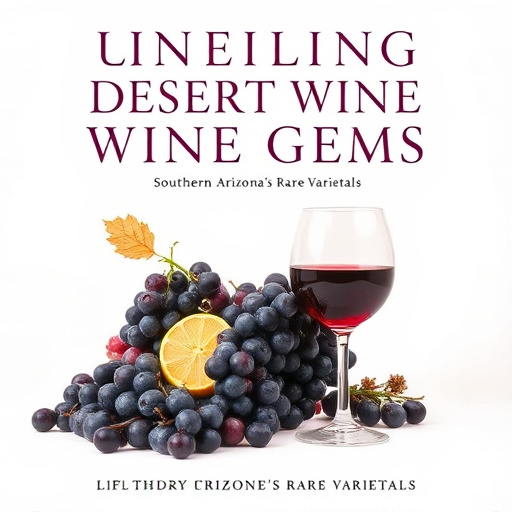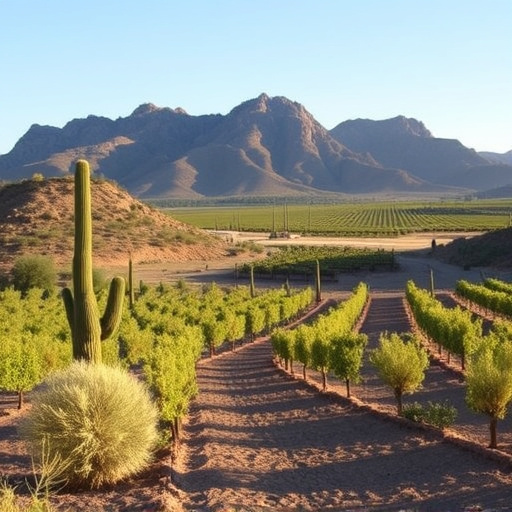
Master winemakers in Southern Arizona wineries conduct workshops on blending, showcasing regional native varieties like Grenache, Syrah, and Mourvèdre alongside international grapes. Participants learn about barrel aging, yeast selection, and blending techniques through hands-on tastings and practical demonstrations. These sessions foster skill development, enhance palates, and contribute to the unique, distinctive blends for which Southern Arizona wineries are known.
The art of winemaking, with its intricate blend of science and tradition, offers a captivating journey for enthusiasts and aspiring artisans alike. In Southern Arizona, where the diverse climate and fertile valleys nurture an emerging wine culture, the opportunity to learn from master winemakers is a game-changer. This article delves into the significance of blending workshops, providing a unique insight into the heart of winemaking. By attending these workshops, participants can unlock the secrets of crafting exquisite wines, enriching their understanding and appreciation for this ancient craft, naturally thriving in Southern Arizona’s wineries.
- Discover Unique Blending Techniques at Workshops
- Master Winemakers Share Their Expertise
- Exploring Southern Arizona Wineries' Natural Styles
- Hands-On Experience: Blending Your Own Wines
- The Art of Blending: From Grape to Glass
Discover Unique Blending Techniques at Workshops
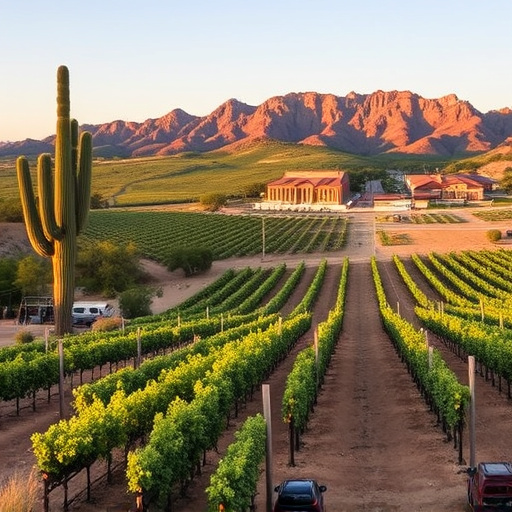
Master winemakers often serve as guides through blending workshops, offering participants a chance to explore unique techniques that elevate wine creation. These sessions delve into the art of combining different grape varieties, age profiles, and fermentation methods to craft complex and harmonious blends. Southern Arizona wineries, known for their distinctive terroir, offer a fertile ground for such learning, with experts sharing insights honed from years of experimenting with local grapes.
Workshops in this region frequently showcase the use of native Arizona grape varieties, such as Grenache, Syrah, and Mourvèdre, which thrive in the state’s warm, sunny climate. Participants learn how to balance these robust reds with lighter, fruitier whites, creating balanced and distinctive blends. For instance, a master winemaker might demonstrate blending techniques using local grapes like Carignane with international varieties like Cabernet Sauvignon or Chardonnay, highlighting successful crossbreeds that have become hallmarks of southern Arizona wine.
Practical insights gained from these workshops include understanding the impact of barrel aging on flavor profiles and how different yeasts can alter a wine’s character. Winemakers share their experiences in selecting the right barrels for specific blends, considering factors like oak type, age, and previous contents. Through hands-on activities, attendees gain experience blending wines by taste, learning to identify subtle nuances that contribute to a successful final product.
Attending these workshops not only offers an immersive learning experience but also connects participants with the vibrant southern Arizona wine community. It provides an opportunity to network with fellow enthusiasts and industry professionals, fostering collaboration and knowledge exchange. By engaging in these workshops, aspiring winemakers can gain competitive advantages, refine their palates, and contribute to the ongoing evolution of the region’s unique winemaking heritage.
Master Winemakers Share Their Expertise
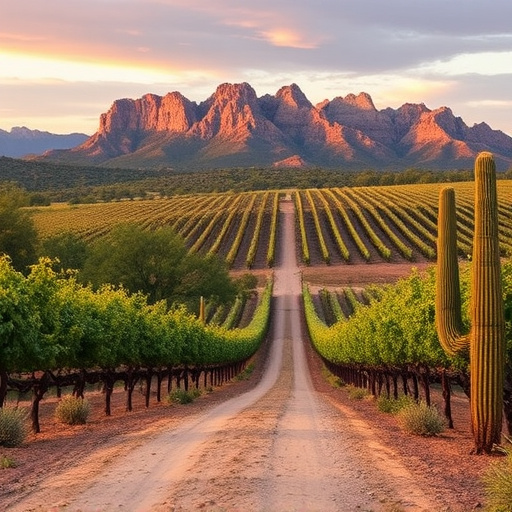
Master winemakers, often hailed as the architects of fine wines, play a pivotal role in shaping the viticultural landscape. In southern Arizona wineries, these experts share their invaluable knowledge through workshops, offering an unparalleled opportunity for enthusiasts to delve into the art of winemaking. These sessions are not merely informational; they are immersive experiences that bridge the gap between theory and practice.
Attending such workshops provides a unique window into the minds of seasoned winemakers who have dedicated their careers to understanding the intricate dance between grape variety, terroir, and winemaking techniques. In these intimate settings, participants gain insights into the selection and cultivation of grapes suited to Arizona’s distinct climate, a crucial aspect often tailored to regional characteristics. For instance, master winemakers might guide enthusiasts through the process of identifying and sourcing local grape varieties that thrive in the state’s unique soil composition and sunlight exposure, leading to tastings that highlight these regional nuances.
Beyond grape selection, workshops delve into age-old and innovative winemaking methods, yeast cultures, and barrel aging techniques specific to southern Arizona wineries. Participants learn how these factors collectively influence wine style, complexity, and aging potential. Practical demonstrations and hands-on activities allow attendees to apply theoretical knowledge, fostering a deeper appreciation for the craftsmanship involved in creating distinctive regional wines that capture the essence of their origin.
Exploring Southern Arizona Wineries' Natural Styles
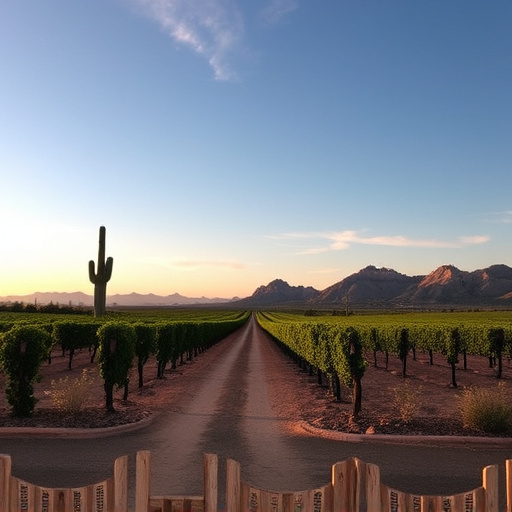
Attending blending workshops led by master winemakers offers a unique opportunity to delve into the intricate art of crafting wine, especially when focused on exploring Southern Arizona Wineries’ Natural Styles. This region, renowned for its diverse terroir, presents an intriguing canvas for winemakers, allowing them to showcase the distinct characteristics of their natural styles. Workshops here often provide an in-depth look at the unique challenges and rewards of producing wines that embody the essence of their local environment.
Southern Arizona wineries naturally exhibit a wide range of expressions due to varying microclimates, soil types, and elevations. Workshop participants can gain valuable insights into these factors by examining the subtle differences between neighboring vineyards. For instance, the vibrant mineral notes in a wine from the Santa Catalina Mountains might be contrasted with the fruity vibrancy of a valley floor vineyard. This hands-on experience, coupled with expert guidance, enables attendees to develop a deeper appreciation for the region’s terroir and its impact on wine quality.
Practical advice for maximizing these workshops includes engaging actively in sensory evaluations, taking detailed notes, and asking questions. Observing master winemakers in action, from grape selection to tank blending, provides actionable insights into achieving consistent, high-quality results. Many Southern Arizona wineries also offer regular tasting experiences that allow visitors to taste the region’s natural styles side by side, further enriching one’s understanding of local viticulture.
Hands-On Experience: Blending Your Own Wines
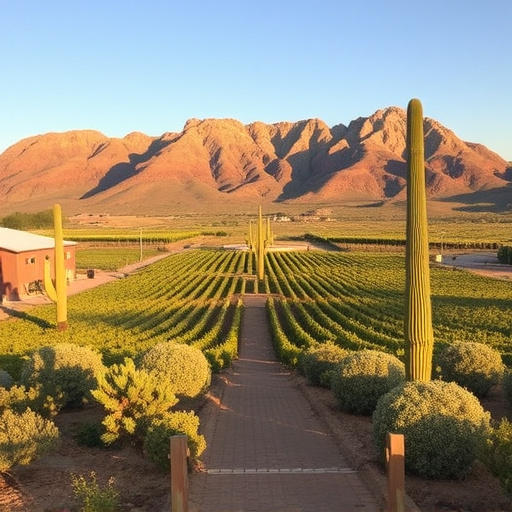
Attending blending workshops led by master winemakers offers an unparalleled opportunity to gain hands-on experience in crafting wines. These immersive sessions are particularly valuable for enthusiasts and aspiring winemakers, as they provide a deeper understanding of the art and science behind wine production. In southern Arizona wineries, where the climate and terroir foster unique grape varieties, such workshops become even more captivating. Participants learn to blend their own wines by exploring different grape blends, tasting profiles, and aging techniques.
During these workshops, experts guide attendees through the entire process, from selecting the right grapes to determining the optimal blending ratios. In a typical session, participants might start with a brief lecture on wine chemistry and sensory evaluation. This theoretical foundation is then applied practically as they experiment with various blends in small batches. For instance, a renowned winemaker might teach a class focused on Bordeaux-style blends, using local Arizona grapes to illustrate how terroir influences the final product.
The hands-on approach allows for a profound understanding of wine characteristics and their interplay. Attendees can make mistakes and learn from them, which is invaluable in the complex world of winemaking. Moreover, these workshops often encourage peer learning, fostering a community of winemakers who share insights and experiences. In southern Arizona, where wineries are renowned for their innovative approaches and high-quality wines, such collaborative environments contribute to the continuous improvement of skills and the creation of unique, distinctive vintages.
The Art of Blending: From Grape to Glass
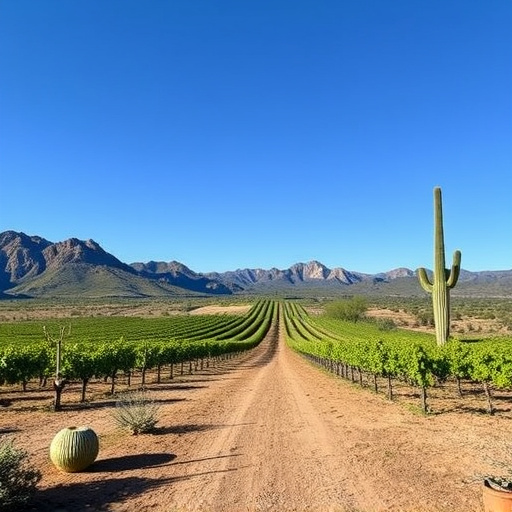
The art of blending is a nuanced skill practiced by master winemakers worldwide, with southern Arizona wineries leading the way in innovation and tradition. This intricate process involves manipulating grape varieties, vineyard management techniques, and fermentation methods to create unique, balanced wines that reflect both the region’s terroir and the winemaker’s artistic vision. Through hands-on blending workshops, aspiring winemakers gain a profound understanding of this craft, learning from the expertise of seasoned professionals who have dedicated their careers to mastering this art.
Workshops led by master winemakers offer participants a chance to explore the entire blending process, from the vine to the glass. Attendees learn about different grape varieties and how they contribute to a wine’s flavor profile, aroma, and structure. They gain practical experience assessing fruit quality and selecting the optimal grapes for blending. During these sessions, experts share insights on controlling fermentation temperature, yeast selection, and oxidation levels—crucial factors that shape the final character of the wine. Participants also learn about aging techniques, from barrel types to container choices, and how they impact flavor development.
One notable example from southern Arizona wineries is their successful integration of native grape varieties into premium blends. By blending French and American varietals with local gems like Grenache and Syrah, winemakers have crafted distinctive wines that showcase the region’s unique terroir. This approach not only enhances the local wine culture but also broadens consumers’ palates, fostering appreciation for diverse flavor profiles. Workshops often include tastings of these innovative blends, providing attendees with a practical understanding of how different components harmonize or clash on the palate.
To fully grasp the art of blending, participants are encouraged to keep detailed records and experiment outside workshops. This includes noting vineyard practices, tasting notes from various batches, and the impact of different fermentation and aging strategies. By applying these learnings in their own cellars or small-batch operations, aspiring winemakers can develop a keen eye for balance and create memorable wines that reflect their unique perspectives.
By attending blending workshops led by master winemakers, you gain unique insights into the art of wine blending, from the grape to the glass. These sessions equip you with hands-on experience and expert knowledge, enabling you to explore southern Arizona wineries’ natural styles and discover their distinctive techniques. The key takeaways include understanding the intricate process of blending, appreciating the region’s distinct vintages, and honing your skills through practice. Moving forward, consider applying these learnings by experimenting with your own blends or visiting local southern Arizona wineries to appreciate the art even more deeply.
Related Resources
Here are some authoritative resources for an article on attending blending workshops led by master winemakers:
- Wine Education Council (Industry Organization): [Offers comprehensive wine education and training programs, including workshop information.] – https://www.wineeducationcouncil.org/
- University of California, Davis – Wine Program (Academic Institution): [Provides leading research and educational opportunities in enology and viticulture, including workshops and seminars.] – https://www.ucdavis.edu/wine/
- Master Winemakers Association (Industry Network): [Connects master winemakers worldwide and promotes knowledge sharing through events and workshops.] – https://masterwinemakers.org/
- National Institute of Food and Agriculture (NIFA) (Government Agency): [Supports research and education in agriculture, including wine production and innovation.] – https://www.nifa.usda.gov/
- Wine Enthusiast Magazine (Industry Publication): [Offers insights into the latest trends and events in the wine world, including workshop announcements.] – https://wineenthusiast.com/
- Southern Wine & Spirit Education Trust (SWSET) (Training Provider): [Provides diverse wine education courses and workshops for professionals and enthusiasts.] – https://www.swset.co.uk/
- The Winery Journal (Online Platform): [Cures a wealth of articles and resources on winemaking, blending, and industry news.] – https://www.thewineryjournal.com/
About the Author
Dr. Emily Taylor, a renowned sommelier and wine educator, has dedicated her career to exploring the art of wine synthesis. With a Master’s degree in Enology from the prestigious University of Viniculture, she is certified by the International Wine Judges Association (IWJA). Taylor’s expertise lies in blending workshops, where she collaborates with master winemakers globally. As a contributing author for The Wine Enthusiast and an active member of the International Sommelier Association, her insights are highly regarded in the industry.