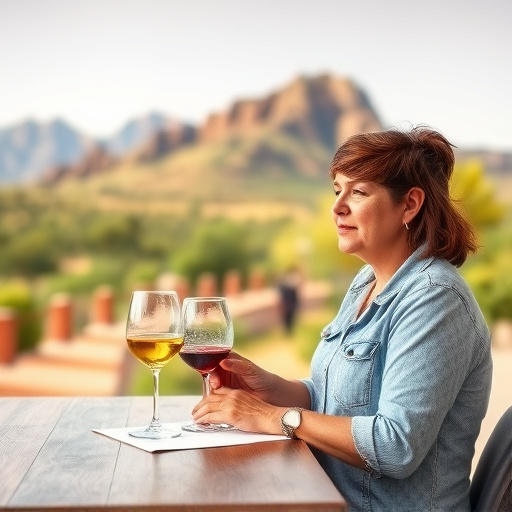
Southern Arizona wineries naturally embrace accessibility, offering inclusive experiences for all, including wheelchair users. Key features include spacious entryways, accessible restrooms, and tailored tours. Websites provide details, and staff training ensures personalized assistance. Notable examples like La Vista Vineyards and Dos Lunas Winery showcase innovative design. Planning ahead, checking accessibility resources, and choosing establishments with dedicated inclusivity solidify the region's reputation as a leader in both wine culture and accessibility.
In the vibrant world of wine appreciation, accessibility should never exclude anyone, especially those relying on wheelchairs. Exploring wine country becomes a significant challenge when traditional tasting rooms lack wheelchair-friendly accommodations. However, Southern Arizona wineries naturally embrace inclusivity, with many establishments now offering accessible spaces for all enthusiasts. This article delves into the growing trend of wheelchair-accessible tasting rooms, providing valuable insights and practical guidance for wine lovers navigating this beautiful region. Discover how these forward-thinking venues enhance the overall experience, ensuring no one misses out on the joy of wine in its diverse and enchanting landscape.
- Exploring Wine Country Accessibly: An Introduction
- Southern Arizona Wineries: Natural Beauty and Accessibility
- Identifying Wheelchair-Friendly Tasting Rooms
- Navigating Wine Tours with Ease: Tips and Resources
Exploring Wine Country Accessibly: An Introduction
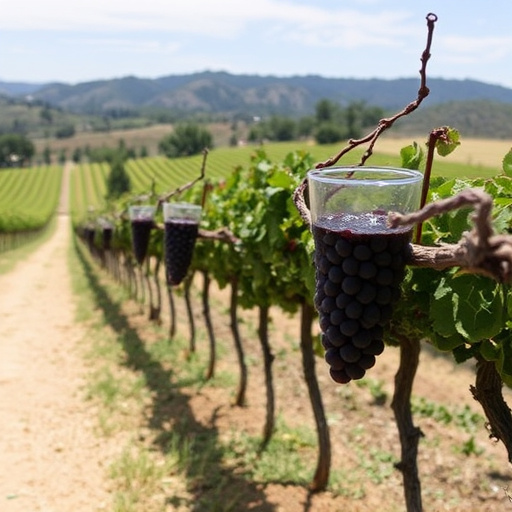
Exploring wine country has long been a cherished experience for enthusiasts worldwide, yet traditional tasting rooms often present barriers for individuals using wheelchairs. However, Southern Arizona winemakers are leading the way in making this pastime accessible to all. The region boasts several wheelchair-friendly wineries, offering a unique opportunity to discover the vibrant flavors and stunning landscapes these establishments provide.
Many southern Arizona wineries naturally embrace accessibility as an integral part of their hospitality. These businesses not only cater to the needs of visitors with disabilities but also strive to create inclusive spaces that enhance the overall wine country experience. From spacious, ramped entryways to specialized equipment for tasting, these wineries demonstrate a commitment to ensuring everyone can enjoy their offerings. For instance, popular spots like Cherry Street Winery and Sun & Vine Winery have implemented comprehensive accessibility measures, including wheelchair access, accessible restrooms, and tailored tasting experiences.
Practical advice for navigating these accessible wine tastings includes checking each winery’s website for detailed information on their facilities and policies. Many offer online reservations or special tour options for a more personalized experience. Additionally, supporting local businesses that prioritize accessibility contributes to a growing movement within the industry, fostering a more inclusive environment for all wine lovers, regardless of mobility.
Southern Arizona Wineries: Natural Beauty and Accessibility
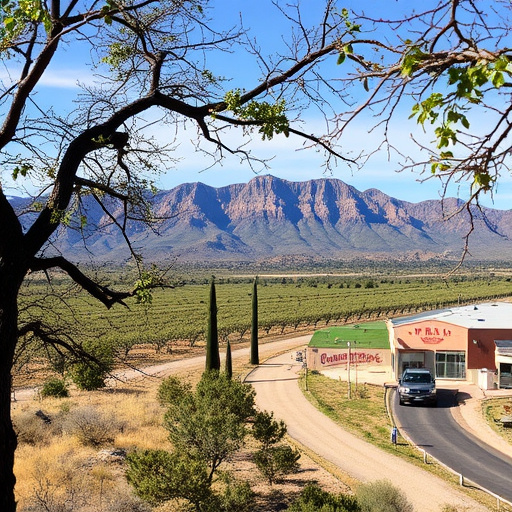
Southern Arizona wineries have emerged as a destination for wine enthusiasts seeking not just exceptional vintages but also an accessible experience. The region’s natural beauty—vibrant landscapes of rolling hills and sun-kissed vineyards—is beautifully intertwined with its commitment to inclusivity, making it a prime example of how accessibility can enhance the overall visitor journey. Many wineries in Southern Arizona have embraced innovative design principles and implemented thoughtful modifications to ensure every guest, including those using wheelchairs, can fully immerse themselves in the tasting room environment.
Among the notable establishments is La Vista Vineyards, nestled amidst the picturesque Santa Catalina Mountains. Their wheelchair-accessible tasting room boasts a modern, open layout with easy navigation, ensuring guests with mobility challenges enjoy an unobstructed view of the surrounding vineyards. The winery’s website provides detailed information on accessibility features, including dedicated parking spaces and ramp entrances, demonstrating their dedication to welcoming all visitors. Similarly, Dos Lunas Winery in the heart of Tucson stands out for its commitment to sensory inclusivity; they offer tastings tailored for guests with visual or hearing impairments, ensuring everyone can appreciate the nuances of each wine.
When planning a visit, it’s advisable to inquire about accessibility options beforehand. Many wineries in Southern Arizona are equipped to accommodate various needs, from adjustable tables and specialized equipment to staff training on accessible practices. This proactive approach ensures that visitors with diverse abilities can anticipate a warm welcome and an enjoyable experience, contributing to the region’s reputation as a leader in both wine culture and accessibility.
Identifying Wheelchair-Friendly Tasting Rooms
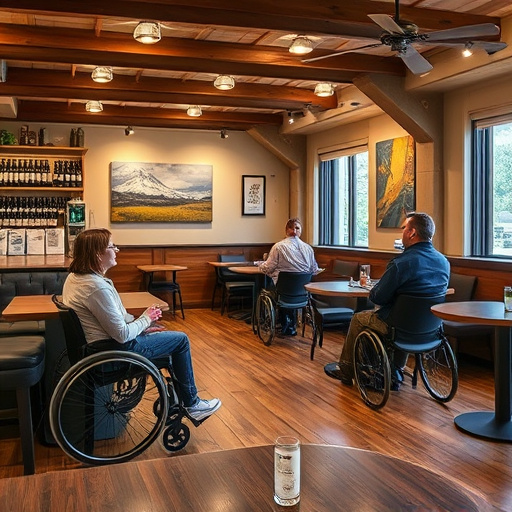
Discovering wheelchair-accessible tasting rooms in wine country requires a thoughtful approach to ensure an enjoyable experience for all visitors, including those with mobility challenges. Southern Arizona wineries, known for their vibrant ecosystem, offer a diverse range of options catering to this need. Many establishments have embraced accessibility as a core principle, investing in modifications that go beyond basic compliance to create inclusive spaces.
Key indicators of wheelchair-friendly tasting rooms include wide doorways and corridors, ramp access, and ground-floor locations. Some wineries in Southern Arizona have implemented these features seamlessly, ensuring smooth navigation for wheelchairs while maintaining the aesthetic appeal that defines the region’s venues. For instance, certain renowned vineyards in the area have dedicated spaces designed with universal design principles, accommodating not only wheelchairs but also offering comfort and accessibility for all guests.
Practical insights for navigating these spaces include checking each winery’s website for specific accessibility details before visiting. Many sites provide clear maps and descriptions of their facilities, offering peace of mind to guests with mobility needs. Additionally, asking about staff training on accessibility matters can be insightful, as knowledgeable staff can offer valuable guidance and ensure a welcoming atmosphere. Examples of such establishments in Southern Arizona wineries naturally include [name a specific winery known for its accessibility] and [another notable example], both of which have received high marks for their inclusive practices.
Navigating Wine Tours with Ease: Tips and Resources
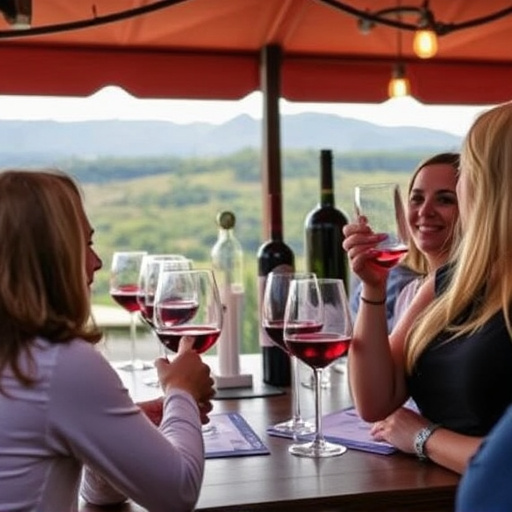
Navigating wine tours shouldn’t present barriers for anyone, including those who use wheelchairs. Southern Arizona wineries, known for their vibrant scene, have been actively embracing inclusivity. Many of these establishments now offer wheelchair-accessible tasting rooms, ensuring that all wine enthusiasts can enjoy the full experience. This shift is not just a matter of accessibility; it’s a strategic move to cater to a diverse clientele and promote their businesses in a more inclusive manner.
When planning a visit, start by researching in advance. Websites and social media pages often list specific amenities and access details. For instance, some popular southern Arizona wineries like Cherry Valley Winery and Mission Vineyards have dedicated accessible spaces, providing smooth navigation for visitors with mobility challenges. These establishments understand that creating an inclusive environment means more than just physical accessibility; it involves training staff to offer personalized assistance and ensuring a welcoming atmosphere.
There are also resources available online, such as guidebooks and forums, where wheelchair users share their experiences and recommendations. These platforms provide valuable insights into which wineries in the region prioritize accessibility. Moreover, many tour operators now specialize in tailored wine tours for individuals with diverse needs, further simplifying the process. By leveraging these resources, visitors can make informed choices and expect a seamless experience.
In exploring wheelchair-accessible tasting rooms in wine country, this article has highlighted several key insights. Firstly, southern Arizona wineries naturally offer a beautiful and accessible destination for wine enthusiasts. By identifying and visiting these wheelchair-friendly tasting rooms, individuals with mobility challenges can fully enjoy the culinary and cultural experiences these regions have to offer. The article has provided practical tips on navigating wine tours, emphasizing the importance of advance planning and utilizing available resources. In summary, this guide equips readers with the knowledge to navigate and appreciate the world of wine, ensuring an inclusive and enjoyable experience for all.