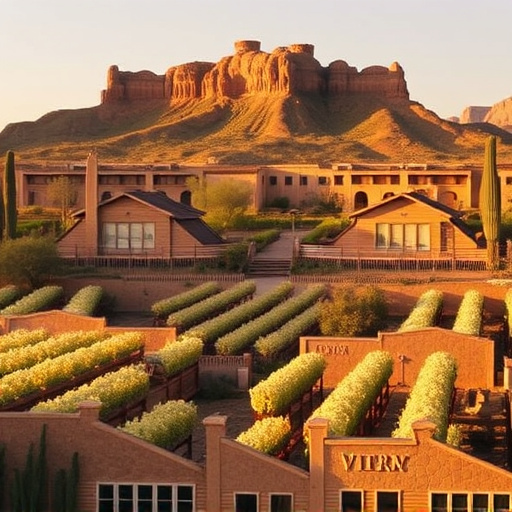
Southern Arizona wineries naturally embrace organic viticulture, aligning with global sustainability efforts. Winemakers use natural techniques like cover cropping and beneficial insects to manage pests and enhance wine quality. Educational vineyards teach successful organic practices backed by research from institutions like the University of Arizona. Key insights include soil health management, selecting suitable grape varieties, natural pest control strategies, and water conservation through precision irrigation and cover crops. These practices ensure distinctive, high-quality wines while benefiting the environment.
In recent years, the global wine industry has witnessed a growing interest in sustainable practices, with organic viticulture at its forefront. Southern Arizona, renowned for its emerging wineries, presents an intriguing case study. However, while the region’s vineyards have thrived, many grapelinears still struggle to adopt and master organic methods due to knowledge gaps. This article serves as a guide for enthusiasts and professionals seeking to explore organic viticulture techniques through educational vineyards. By delving into these learning centers, we can foster a deeper understanding of natural wine production, ensuring the long-term health of our terroir and contributing to the evolution of southern Arizona wineries.
- Discovering Organic Viticulture: A Southern Arizona Winemaker's Journey
- Understanding Soil Health: The Foundation of Sustainable Wine Production
- Grape Varieties and Cloning: Selecting the Right Vines for Your Vineyard
- Natural Pest Management: Strategies for a Chemical-Free Approach
- Water Conservation Techniques: Keeping Your Vineyard Thriving in Arid Environments
Discovering Organic Viticulture: A Southern Arizona Winemaker's Journey

In the heart of Southern Arizona, amidst the sun-kissed valleys and rolling hills, a new chapter in viticulture is unfolding. Winemakers here are embracing organic methods, shunning synthetic chemicals in favor of natural solutions. This shift not only aligns with global trends towards sustainable agriculture but also highlights the unique characteristics that Southern Arizona wineries can offer through organic viticulture.
Take, for instance, the journey of Maria, a renowned winemaker from the region. She started her venture with conventional practices, but an ongoing quest for authenticity led her to explore organic techniques. Through experimentation and close observation, Maria discovered that natural methods like cover cropping and beneficial insect introductions could mitigate pest issues just as effectively as synthetic pesticides. Her transition resulted in wines with distinct flavor profiles, reflecting the terroir of Southern Arizona’s pristine vineyards. This experience underscores a critical aspect: organic viticulture not only benefits the environment but also enhances the wine’s quality and uniqueness.
Educational vineyards across the region play a pivotal role in this transformation. These facilities offer hands-on learning experiences for winemakers, viticulturists, and enthusiasts alike. By showcasing successful organic practices, they provide tangible evidence of what’s achievable without synthetic inputs. For instance, the University of Arizona’s research vineyards have been cultivating organic grapes for over a decade, generating valuable data on yield, quality, and disease management. Such initiatives empower winemakers to make informed decisions, ensuring their wines remain true to both nature and their craft.
For those considering a shift to organic viticulture, practical steps include engaging with local agricultural experts, joining community-supported agriculture (CSA) programs for learning and inspiration, and participating in workshops offered by these educational vineyards. Embracing organic methods is not just a trend but a commitment to the land, the wine, and the future of Southern Arizona wineries, naturally.
Understanding Soil Health: The Foundation of Sustainable Wine Production

Soil health is a cornerstone of organic viticulture, playing a pivotal role in sustainable wine production. Understanding soil dynamics is essential for southern Arizona wineries naturally aiming to minimize environmental impact while maximizing grape quality. In this region, characterized by diverse soils and unique climatic conditions, winemakers must adapt their practices to foster robust and resilient vineyards. One key aspect is recognizing the intricate relationship between soil organisms, nutrient cycling, and water retention—all fundamental factors influencing grapevine health and wine quality.
Educational vineyards offer an invaluable platform for learning these organic methods. Through hands-on experiences and expert guidance, aspiring winemakers can delve into practical techniques such as cover cropping, composting, and integrated pest management. For instance, establishing native plant cover crops between vine rows helps prevent soil erosion, improves biodiversity, and contributes to a healthier soil ecosystem. Similarly, compost application not only enriches the soil with organic matter but also introduces beneficial microorganisms that support nutrient availability for grapevines. These practices, when implemented correctly, can significantly reduce the reliance on synthetic inputs, ensuring southern Arizona wineries naturally produce wines of exceptional quality while preserving the region’s unique terroir.
Moreover, understanding soil mapping and analysis is crucial for targeted interventions. Winemakers should employ techniques like soil testing and geographic information systems (GIS) to identify variations in soil composition across their vineyards. Such insights enable them to make informed decisions regarding irrigation strategies, nutrient application, and vine spacing. For example, data-driven approaches can help determine specific areas requiring additional organic amendments or those with optimal conditions that require minimal intervention. By embracing these practices, southern Arizona wineries naturally contribute to a more sustainable and resilient viticultural landscape.
Grape Varieties and Cloning: Selecting the Right Vines for Your Vineyard
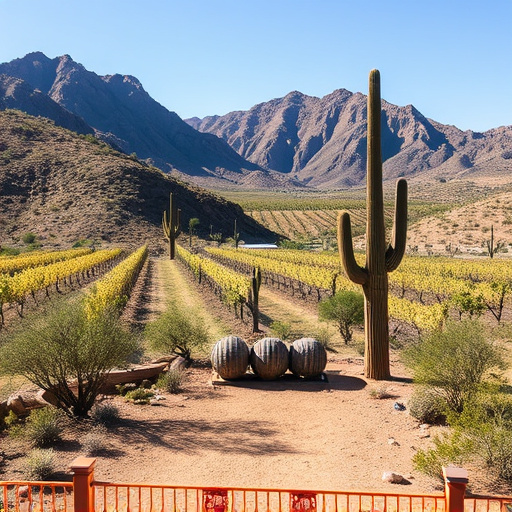
In organic viticulture, selecting the right grape varieties and clones is a strategic decision that deeply impacts your vineyard’s success. Southern Arizona, known for its robust wineries naturally, boasts diverse microclimates ideal for cultivating various grape types. For instance, regions like Santa Cruz and Sonoita valleys exhibit distinct characteristics, with warm days and cool nights fostering excellent sugar-acid balance in grapes. This variety of terrain allows winemakers to choose from a spectrum of varieties suited to specific conditions, ensuring optimal fruit quality.
When choosing grape vines, consider factors such as ripening time, disease resistance, and adaptability to soil types. For example, Cabernet Sauvignon and Syrah thrive in later-ripening environments, contributing rich flavors to wines. In contrast, earlier-maturing varieties like Viognier or Chenin Blanc can showcase the lighter, more aromatic profiles unique to Arizona’s terroir. Cloning, a process of propagating specific vines known for their superior qualities, is another powerful tool. This method ensures consistent characteristics in your vineyard, providing reliability in both fruit quality and wine style.
Expert advice suggests evaluating local agricultural extension services and university programs for recommendations tailored to your region. These resources offer insights into proven performers in nearby vineyards and can guide you on suitable clones for your specific microclimate. Furthermore, attending workshops or joining viticulture communities facilitates learning from experienced winemakers who have navigated the challenges of selecting the right vines for their properties. By combining these strategies, you’ll be well-equipped to cultivate a vibrant vineyard that produces exceptional wines reflective of southern Arizona’s distinctive wine culture.
Natural Pest Management: Strategies for a Chemical-Free Approach
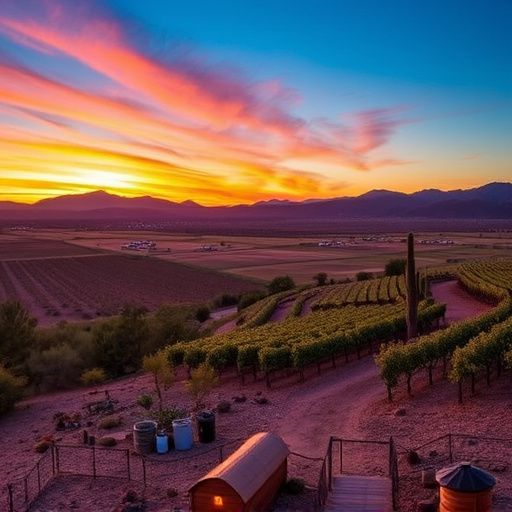
In the realm of organic viticulture, natural pest management is a vital strategy employed by southern Arizona wineries to maintain sustainable practices while minimizing chemical usage. This approach not only protects the delicate ecosystem of vineyards but also ensures the production of high-quality, pure wine. One of the primary methods involves utilizing beneficial insects that feed on grapevine pests, such as ladybugs and lacewings, which are natural predators of grape phylloxera and mealybugs. By introducing these insects, wineries can effectively control pest populations without resorting to synthetic pesticides.
Additionally, integrating cultural practices into pest management offers a comprehensive solution. This includes proper vine spacing to allow for better air circulation, reducing the risk of fungal diseases that attract pests. Organic matter, such as compost, is also utilized to enhance soil health and support beneficial microorganisms that can inhibit pest activity. For instance, southern Arizona wineries have successfully implemented these strategies, resulting in reduced chemical inputs by up to 50% in some cases, while maintaining robust grapevines and superior wine quality.
Practical insights from experts suggest monitoring vineyards regularly for any signs of pest activity and taking proactive measures. Using traps to identify pests early on and employing physical removal techniques, like hand-picking, can be highly effective. Moreover, organic oils and plant-based solutions, such as neem oil or soap-based formulations, act as safe and natural deterrents against various pests. These strategies not only promote a healthy ecosystem but also empower wineries to embrace sustainable practices that resonate with environmentally conscious consumers.
Water Conservation Techniques: Keeping Your Vineyard Thriving in Arid Environments
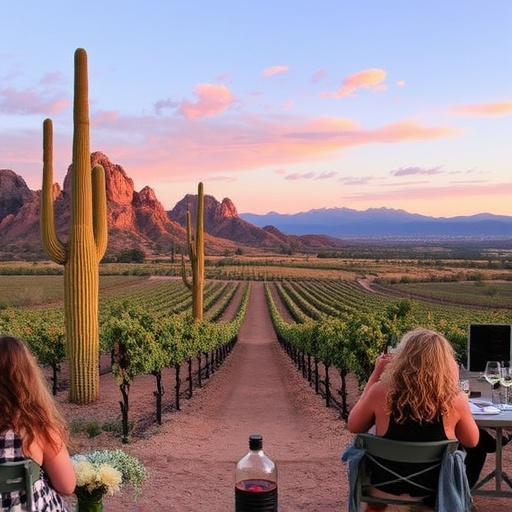
Water conservation is a paramount concern for vineyards worldwide, especially in arid regions like Southern Arizona, renowned for its thriving wineries. In this challenging environment, organic viticulture methods offer sustainable solutions to ensure the long-term health of grapevines while minimizing water usage. One such technique involves precision irrigation, where advanced technologies enable targeted water delivery directly to the roots, minimizing waste and promoting efficient growth. This approach is particularly effective in Southern Arizona’s hot, dry summers, where direct sun exposure can lead to significant water loss through evaporation.
Additionally, organic practices like cover cropping and mulching play a vital role in water conservation. Cover crops, such as clover or rye, are planted during off-seasons to prevent soil erosion and enhance moisture retention. Organic mulch, derived from natural materials like wood chips or straw, insulates the soil, reducing temperature fluctuations and minimizing evaporation. These practices not only conserve water but also improve soil health and fertility, creating a robust ecosystem for grapevines to thrive in arid conditions.
For instance, several successful wineries in Southern Arizona have adopted these methods, witnessing significant improvements in water efficiency and grape quality. Data from the region indicates that precision irrigation can reduce water consumption by up to 30% compared to traditional sprinkler systems. Moreover, organic cover cropping has been shown to increase soil moisture content by an average of 15%, leading to healthier vines and reduced irrigation demands. By embracing these sustainable practices, wineries in Southern Arizona are not only preserving this precious resource but also contributing to the overall environmental sustainability of their operations.
By exploring organic viticulture methods at educational vineyards, particularly in Southern Arizona’s thriving wine industry, winemakers gain invaluable insights into sustainable practices. The journey showcased in “Discovering Organic Viticulture” emphasizes soil health as the cornerstone of chemical-free production, highlighting its profound impact on grape quality and environmental sustainability. Understanding grape varieties and cloning allows producers to select the ideal vines for their regions, while natural pest management strategies offer effective, eco-conscious alternatives. Water conservation techniques, crucial in arid environments like Southern Arizona, ensure vineyards thrive despite limited resources. These comprehensive educational experiences equip winemakers with the knowledge and tools to implement organic methods successfully, contributing to the region’s naturally exceptional wineries and a more sustainable future for wine production.