Southern Arizona Winemakers: A Comprehensive Exploration
Introduction
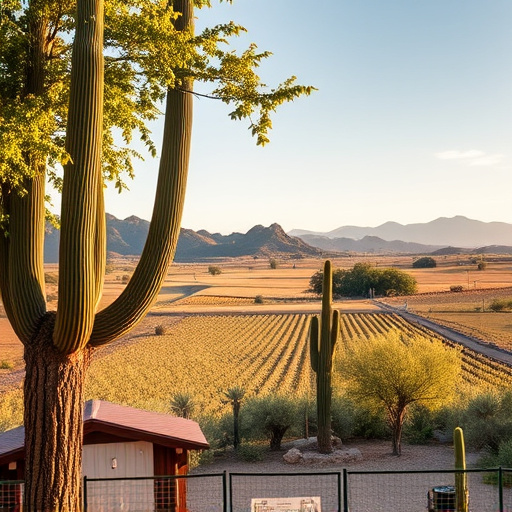
Southern Arizona, with its diverse landscapes and temperate climate, has emerged as an unexpected gem in the world of viticulture, giving rise to a thriving wine industry. This region, characterized by its unique blend of desert beauty and agricultural richness, has become a hotspot for winemaking, attracting both local enthusiasts and international attention. This article delves into the intricate world of Southern Arizona wineries, exploring their history, global impact, economic significance, technological innovations, regulatory framework, challenges, and future potential. By providing an in-depth analysis, we aim to offer readers a comprehensive understanding of this dynamic and burgeoning industry.
Understanding Southern Arizona Wineries: A Unique Viticultural Haven
Definition and Key Components
Southern Arizona wineries encompass the wine-producing entities located in the southern part of the U.S. state of Arizona, primarily within Pima and Santa Cruz Counties. These wineries are characterized by their small to medium-sized operations, often family-owned, that cultivate a variety of grape varieties in the region’s distinct terroir. The industry includes not only traditional vineyards and wineries but also farmstands, wine bars, and educational centers dedicated to promoting local wines and wine culture.
Historical Context and Significance
Winemaking in Southern Arizona has deep roots, dating back to the late 19th century when missionaries introduced grapevines for religious ceremonies. However, it was in the early 2000s that the industry experienced a renaissance, driven by a combination of favorable climate conditions, affordable land, and a growing interest in locally produced wines. This period saw the establishment of numerous wineries, each contributing to the region’s unique wine identity.
The significance of Southern Arizona wineries lies in several factors:
-
Diverse Grape Varieties: The region boasts an impressive range of grape varieties, from traditional ones like Cabernet Sauvignon and Chardonnay to more unique cultivars such as Grenache, Mourvèdre, and Zinfandel, which thrive in the area’s semi-arid climate.
-
Unique Terroir: Southern Arizona’s high elevation, mineral-rich soils, and distinct weather patterns create a diverse microclimate that lends itself to producing distinctive wine styles. The region’s cool nights and warm days are particularly suitable for grape ripening.
-
Local Tourism and Economy: Wineries have become a significant attraction for tourists, contributing to the local economy through wine tours, tastings, and related events. This influx of visitors supports surrounding businesses, from restaurants to hotels, fostering a thriving culinary and tourism ecosystem.
Global Impact and Trends Shaping Southern Arizona Wine Scene
International Influence
Southern Arizona wines have gained international recognition, attracting attention from sommeliers, wine critics, and enthusiasts worldwide. The region’s unique terroir and diverse grape expressions have led to its wines being sought after for their quality and distinct character. Many top-rated restaurants globally feature Arizona wines on their menus, showcasing the industry’s growing prestige.
Key Trends Shaping the Industry
-
Sustainability: There is a growing emphasis on sustainable winemaking practices among Southern Arizona wineries. This includes organic farming methods, water conservation, and reduced environmental impact, appealing to environmentally conscious consumers.
-
Specialized Wines: Winemakers are exploring niche markets by producing unique, high-quality wines. These may include varietal blends, experimental wine styles, or wines made from lesser-known grape varieties, catering to a discerning palate.
-
Wine Tourism: The industry has embraced wine tourism as a primary revenue stream. Many wineries offer immersive experiences, including tours, tastings, and culinary events, attracting visitors from around the world who seek authentic agricultural and cultural experiences.
Regional Variations and Influences
Southern Arizona’s diverse microclimates and varying elevations create distinct wine-producing regions within the state:
| Region |
Characteristics |
Typical Grape Varieties |
Signature Wine Styles |
| Sonoran Desert |
Hot, dry summers; mild winters; low elevation |
Zinfandel, Grenache, Syrah |
Full-bodied reds, fruity and spicy |
| Santa Catalina Mountains |
Cooler temperatures; higher elevation; mineral-rich soils |
Cabernet Sauvignon, Merlot, Chardonnay |
Elegantly structured reds, crisp whites |
| Tucson Basin |
Mild climate; versatile soil types |
Sauvignon Blanc, Riesling, Pinot Noir |
Refreshing whites, balanced reds |
Economic Considerations: The Impact of Southern Arizona Wineries on the Local and Global Economy
Market Dynamics and Investment Patterns
The Southern Arizona wine industry has experienced steady growth in recent years, attracting significant investments. According to a 2022 report by the Arizona Wine Growers Association, the region’s wineries generated an estimated $150 million in economic impact, supporting over 2,000 jobs. The market dynamics are characterized by:
- Local Consumption: A substantial portion of the wine produced is consumed locally, with restaurants and bars being major retailers.
- Domestic Market: Arizona wines have a strong presence in neighboring states like California and Texas, where they are distributed through specialty stores and high-end retailers.
- International Reach: Premium Arizona wines are exported to countries like Canada, Germany, and Japan, establishing the region as a global wine producer.
Economic Benefits for Local Communities
Winery activities have had a ripple effect on local economies:
- Tourism Boost: Wine tours and tastings attract visitors, leading to increased revenue for hotels, restaurants, and other tourism-related businesses.
- Agricultural Growth: The industry supports local farmers through the purchase of agricultural goods, such as grapes and other produce, fostering a robust agricultural sector.
- Community Engagement: Many wineries host community events, music festivals, and educational programs, bringing people together and strengthening local communities.
Technological Innovations in Southern Arizona Winemaking
Modernization and Sustainability in Practice
Southern Arizona wineries have embraced technological advancements to enhance winemaking processes while ensuring sustainability:
- Precision Agriculture: Winemakers utilize GPS mapping and sensors to monitor soil health, grapevine vigor, and fruit ripeness, allowing for precise irrigation and fertilization.
- Automated Harvesting: Some operations employ mechanical harvesters to efficiently collect grapes at optimal ripeness, reducing labor costs and maintaining quality.
- Sustainable Packaging: There is a growing trend towards eco-friendly packaging options, such as biodegradable bottles and minimal-waste closures, reflecting the industry’s commitment to environmental responsibility.
Research and Collaboration
The University of Arizona’s College of Agriculture and Life Sciences plays a vital role in supporting Southern Arizona wineries through research and education. Collaborations between universities and wineries have led to advancements in:
- Grape Varietal Development: Researchers work on developing new grape varieties better suited to the region’s conditions, expanding the potential wine styles.
- Enology and Viticulture: Studies focus on improving winemaking techniques and understanding the impact of terroir, enabling winemakers to craft exceptional wines.
- Sustainable Practices: Research aims to enhance sustainable farming methods, ensuring the long-term viability of the industry while preserving the environment.
Regulatory Framework: Ensuring Quality and Compliance
Licensing and Permits
Winery operations in Arizona are regulated by the Arizona Department of Revenue’s Alcoholic Beverage Control (ABC) Division. Winemakers must obtain various licenses and permits to operate legally, including:
- License to Sell Wine: This permit allows wineries to sell wine directly to consumers on their premises.
- Distiller’s License: For wineries that produce spirits along with wine, a distiller’s license is required.
- Farm License: Winemakers engaged in agricultural activities may need a farm license, which covers the cultivation of grapes and other fruits.
Quality Control and Standards
The ABC Division enforces strict quality control measures to ensure consumer safety and protect Arizona’s reputation for high-quality wines:
- Winery Inspections: Regular inspections are conducted to verify compliance with health, safety, and sanitation standards.
- Wine Analysis: Samples of finished wine are tested for alcohol content, sugar levels, and other parameters to ensure they meet the required standards.
- Labeling Requirements: Winemakers must adhere to specific labeling regulations, including listing ingredients, allergen information, and wine-making practices.
Challenges Facing Southern Arizona Wineries
Overcoming Obstacles for Industry Growth
While Southern Arizona wineries have made significant strides, they continue to face challenges that impact their long-term success:
-
Water Scarcity: The region’s semi-arid climate and growing water demands from various sectors create a challenge for winery operations. Efficient water usage and conservation practices are essential.
-
Labor Shortages: Winemaking requires skilled labor, and finding and retaining qualified employees can be difficult, especially in remote areas.
-
Competition from Larger Producers: Established wine-producing regions have deeper pockets and larger marketing budgets, posing competition for Southern Arizona wineries trying to establish their brands globally.
-
Regulatory Compliance: Navigating the complex regulatory landscape can be daunting, particularly for smaller operations with limited resources.
Future Potential: A Brighter Outlook for Southern Arizona Wine Country
Industry Projections and Opportunities
The future of Southern Arizona wineries looks promising, driven by several factors:
-
Growing Consumer Interest: The increasing global appetite for unique, high-quality wines presents a significant opportunity for the region’s winemakers to expand their markets.
-
Technological Advancements: Ongoing technological innovations will enable winemakers to refine their crafts, improve sustainability, and reduce operational costs.
-
Wine Tourism Expansion: With its natural beauty and rich cultural heritage, Southern Arizona is poised to become a premier wine tourism destination, attracting international visitors.
-
Regional Collaboration: Winemakers, researchers, and industry stakeholders can collaborate to promote the region’s unique wines, enhance marketing efforts, and support each other’s growth.
Sustainable Growth Strategies
To ensure long-term success, Southern Arizona wineries should focus on:
- Sustainable Practices: Continuing to embrace eco-friendly technologies and farming methods will appeal to environmentally conscious consumers and help preserve the region’s natural resources.
- Diversification: Expanding product lines through spirits, mead, or other wine-related products can create new revenue streams.
- Educational Initiatives: Sharing knowledge and hosting educational events will enhance the region’s reputation as a winemaking hub while attracting tourism.
- Global Marketing: Investing in marketing efforts to reach international markets will help establish Southern Arizona wines on a global stage.
In conclusion, Southern Arizona wineries have overcome significant challenges to become a thriving industry with a rich cultural heritage and a bright future. With continued innovation, sustainable practices, and collaborative efforts, the region is poised to cement its place as a premier wine-producing destination.
Southern Arizona's thriving wine culture offers diverse tastings, paired with local ingredients and indigenous flavors. The region's microclimates foster various grape varieties, from Grenache to Zinfandel, complementing bold Southwestern cuisine like enchiladas and guacamole. Exploring these southern arizona wineries through small plates enhances the dining experience, showcasing a vibrant fusion of Native American, Mexican, and Spanish influences.
Uncover the perfect harmony of flavors at Southern Arizona’s thriving wineries, where unique tastings await. Explore the region’s vibrant wine culture and discover how local wines pair impeccably with Southwest-inspired small plates. From zesty salsas to smoky chapulines, each bite complements the distinct terroirs found in these bustling vineyards. Dive into this culinary journey, blending traditional recipes with modern winemaking techniques, for an unforgettable experience showcasing the best of Southern Arizona’s wineries.
Discover Unique Tastings at Southern Arizona Wineries
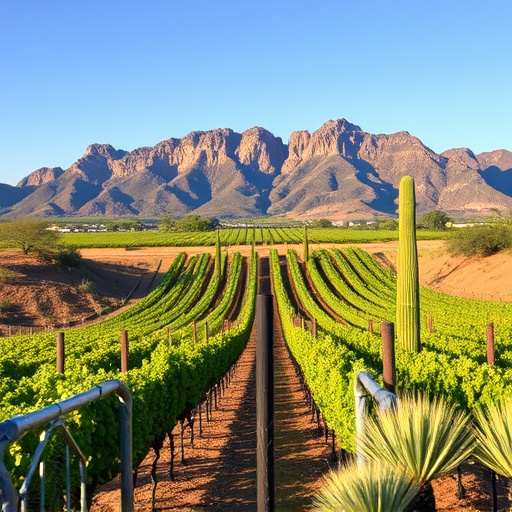
Southern Arizona is home to a thriving wine culture, with numerous wineries offering unique tasting experiences. These establishments showcase the region’s diverse microclimates and soil types, resulting in an array of distinctive grape varieties and wine styles. Visitors can embark on a sensory journey through rolling hills and lush vineyards, discovering vibrant and bustling wineries that reflect the Southwest’s rich cultural heritage.
Many southern Arizona wineries embrace indigenous ingredients and flavors, creating pairs of local wines with Southwest-inspired small plates. This fusion of local cuisine and viticulture enhances the overall dining experience, allowing patrons to indulge in both delectable food and exquisite beverages. Whether you’re a wine enthusiast or simply curious about the region’s offerings, exploring these southern Arizona wineries is sure to delight your senses and leave lasting memories.
Pairing Southwest Flavors with Local Wines
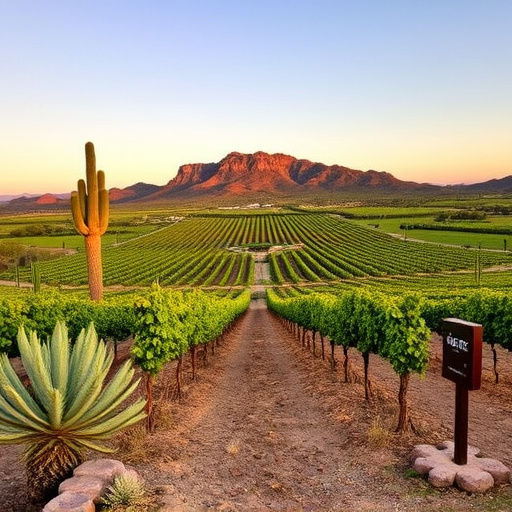
Pairing Southwest flavors with local wines from Southern Arizona can elevate your culinary experience, creating harmonious combinations that highlight both the region’s unique terroir and its vibrant cuisine. The key lies in understanding the distinct characteristics of each element. Southwest cooking is renowned for its bold flavors, often featuring spices like chili pepper, cumin, and cilantro, along with ingredients such as corn, beans, and tomatoes. These flavors pair beautifully with local wines from Southern Arizona, which produce a diverse range of varietals, including Grenache, Syrah, and Zinfandel.
The region’s warm climate lends itself to rich, full-bodied reds that can stand up to the robust flavors of Southwestern dishes. For example, a robust Syrah from a local winery in Southern Arizona can complement spicy enchiladas or hearty bean stews. Meanwhile, lighter white wines like a crisp Viognier can balance out richer dishes, such as creamy guacamole or smoky barbacoa. Exploring these local wine options ensures a memorable dining experience that showcases both the region’s culinary heritage and its thriving wine industry.
Small Plates to Accompany Your Favorite Vines
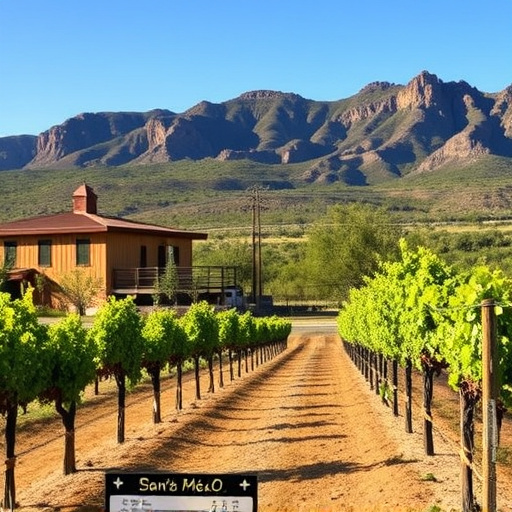
Pairing the perfect wine with your meal can elevate the dining experience, and small plates are no exception. When exploring the culinary scene in Southern Arizona, you’ll discover a vibrant array of wineries offering unique flavors that complement the region’s distinctive Southwest cuisine. From zesty salsas to smoky barbacoa, these local delicacies pair wonderfully with a glass of wine from one of the area’s renowned vineyards.
Small plates provide an opportunity to sample diverse flavors and textures, allowing you to explore different wine varieties. For instance, crisp white wines like those produced by southern Arizona wineries harmonize beautifully with lighter dishes such as chicken ceviche or grilled vegetable skewers. On the other hand, robust red blends from local vineyards can stand up to richer fare like spicy chorizo tacos or shredded beef enchiladas.
Exploring Regional Cuisine and Wine Culture
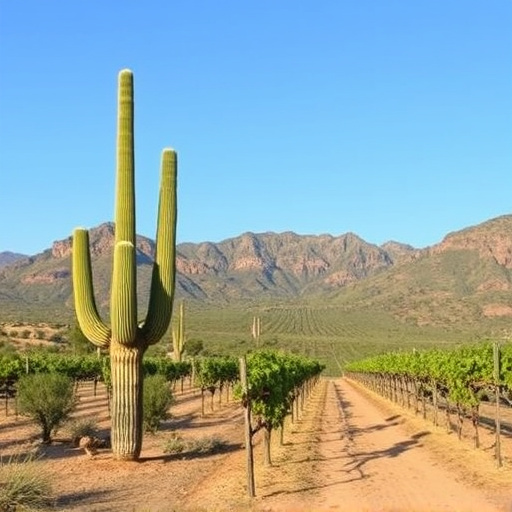
Southwest cuisine is a vibrant fusion of flavors, heavily influenced by Native American, Mexican, and Spanish culinary traditions. When paired with local wines from Southern Arizona wineries, it creates a unique and delightful dining experience. The region’s wine culture has been thriving, with a growing number of wineries producing a diverse range of varietals, from crisp whites to robust reds. These wineries often draw inspiration from the area’s rich history and natural surroundings, offering distinct flavors that reflect the Southwest’s tapestry of cultures.
The small plates approach is particularly well-suited for exploring this regional cuisine. Each bite transports diners through a labyrinthine of flavors, where spicy jalapeños meet smoky chipotles, and tangy citrus notes balance creamy avocado. Pairing these dishes with locally crafted wines allows for a sensory journey—a crisp Sauvignon Blanc cuts through the spices, while a full-bodied Syrah complements the rich, earthy tones, creating harmonious combinations that showcase both the cuisine and the wine culture of Southern Arizona.
In conclusion, exploring the wine culture of Southern Arizona offers a unique blend of flavors and experiences. By visiting local wineries and pairing their offerings with Southwest-inspired small plates, you can truly appreciate the region’s vibrant culinary tapestry. Discovering the perfect marriage between these local wines and traditional flavors will leave you craving more, ensuring your journey through southern Arizona wineries is both memorable and delightful.