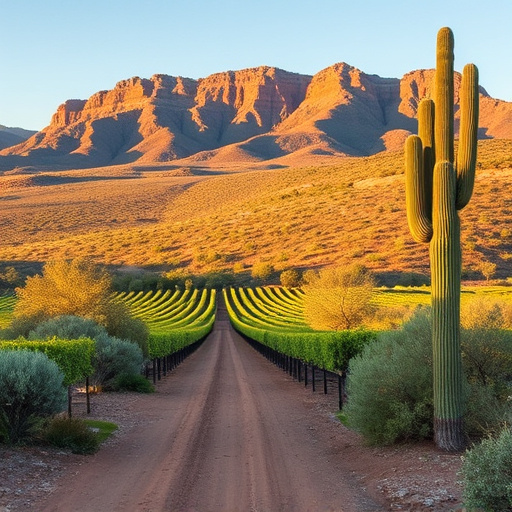
Southern Arizona wineries harness unique desert terroir, characterized by mineral-rich soils and arid climate, to produce exceptional crisp white wines. High mineral content, strategic irrigation methods, and sustainable farming practices contribute to distinct flavors and vibrant acidity. Winemakers like Dos Cabezas and San Manuel Winery lead the way with Sauvignon Blanc. Deep soil analysis, efficient water management, and canopy control are key success factors. The region's natural minerality caters to global trends for unique desert wines, with a 20% sales growth over two years. Southern Arizona wineries position themselves as pioneers in sustainable wine production, attracting eco-conscious consumers.
The wine industry’s quest for unique terroirs has led to some remarkable discoveries, particularly when it comes to crisp white wines. Southern Arizona wineries, naturally blessed with mineral-rich desert soils, have emerged as a dynamic force in the global wine scene. This region’s arid climate and distinct geological features impart complex mineral notes onto grapes, resulting in refreshing whites that offer a sensory journey like no other. By exploring these unique characteristics, we uncover not only exceptional wines but also sustainable practices that contribute to the rich agricultural heritage of this resilient desert ecosystem.
- Unveiling Mineral-Rich Soils: The Desert's Secret Ingredient
- Southern Arizona Winemakers: Cultivating Crisp Whites Naturally
- Soil Composition: Impact on Grape Quality and Flavor
- Water Management in Arid Conditions: Techniques for Winemakers
- Case Studies: Successful Crisp White Productions in the Region
- Market Trends and Consumer Preferences for Desert-Grown Wines
Unveiling Mineral-Rich Soils: The Desert's Secret Ingredient
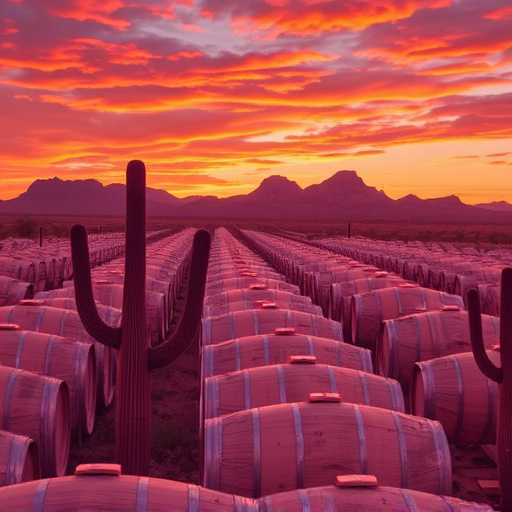
The desert, renowned for its arid climate and harsh conditions, may come as a surprise as a haven for cultivating exceptional wine grapes. Southern Arizona wineries have mastered the art of harnessing the unique benefits of mineral-rich desert soils, unlocking a secret ingredient that contributes to their crisp white wines’ exceptional character. These soils, formed over millions of years by the erosive forces of wind and water, are rich in various minerals, providing a nutrient-dense environment for grapevines.
The region’s geology plays a pivotal role in shaping the wine’s flavor profile. For instance, the Santa Catalina Mountains, located north of Tucson, contribute volcanic ash and rock fragments to the soil composition, imparting subtle mineral notes and a vibrant acidity to the grapes. This natural blend of elements results in crisp whites with complex flavors that reflect the desert’s terroir. Some southern Arizona wineries have even coined terms like “desert minerality” to describe these distinctive characteristics.
To showcase the impact of mineral-rich soils, consider a comparison between traditional vineyard locations and those in the desert. A study by the University of Arizona found that wines from desert vineyards exhibited higher levels of minerals such as calcium, magnesium, and potassium compared to their counterparts from more conventional settings. This discovery highlights the potential for winemakers to create unique, high-quality wines by embracing the challenges and rewards presented by the desert’s soil. For aspiring winemakers, understanding these soil dynamics is an essential step in crafting exceptional crisp whites, offering a fresh perspective on wine production in unexpected environments.
Southern Arizona Winemakers: Cultivating Crisp Whites Naturally
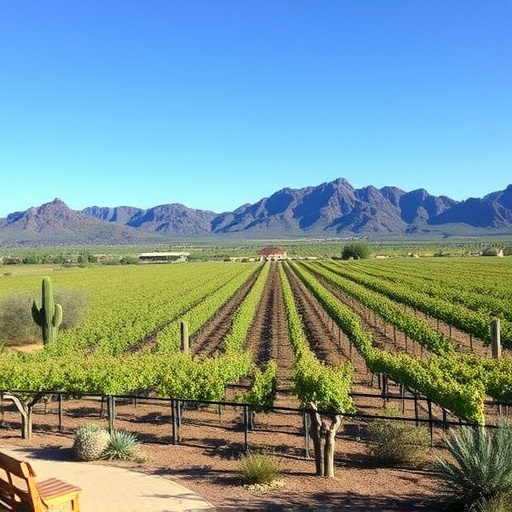
Southern Arizona, with its unique desert terroir, has emerged as a standout region for cultivating crisp white wines naturally. The mineral-rich soils, combined with the area’s sunny climate, create ideal conditions for grapes that develop intense flavors and refreshing acidity. Winemakers in this region have embraced sustainable practices, allowing them to produce whites that showcase the distinct character of the local viticulture. For instance, many southern Arizona wineries focus on organic and biodynamic farming methods, avoiding synthetic fertilizers and pesticides, which not only benefit the environment but also impart unique mineral notes in the wine.
One notable example is the growing success of Sauvignon Blanc from this region. The varietal thrives in the desert heat, producing crisp, bright wines with aromas of citrus and herbal notes. Producers like Dos Cabezas Winery and San Manuel Winery have gained recognition for their signature styles, showcasing the versatility of southern Arizona’s terroir. These wineries naturally enhance the natural freshness and vibrancy of their whites by employing minimal intervention in winemaking processes, preserving the integrity of the grape’s expression.
Practical advice for aspiring winemakers in this region includes investing in deep soil analysis to understand mineral compositions and tailoring vineyard management practices accordingly. Additionally, monitoring and maintaining proper irrigation is crucial during the summer months to prevent water stress on the vines, which can negatively impact fruit quality. By embracing these strategies, southern Arizona wineries naturally position themselves at the forefront of sustainable and distinctive wine production.
Soil Composition: Impact on Grape Quality and Flavor
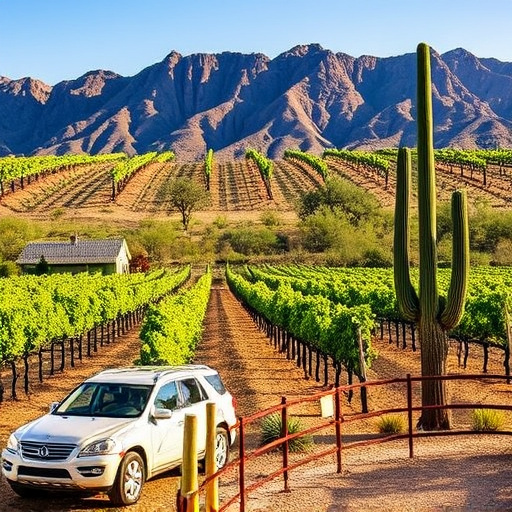
The soil beneath the vines plays a pivotal role in shaping the flavor profile of grapes grown in southern Arizona wineries. These desert regions boast unique mineral-rich soils that contribute significantly to the distinctive character of local wines. Soils in areas like the Santa Cruz River Valley and the Sonoran Desert are characterized by high levels of calcium, magnesium, and potassium, elements that are essential for grapevines’ healthy growth and development.
These mineral-dense soils influence winemaking in several ways. First, they impart distinct mineral notes into the grapes, resulting in crisp white wines with a complex flavor palette. For instance, winemakers in southern Arizona have noted that Chardonnay vines grown in these soils often produce fruits with hints of lemon, green apple, and a subtle minerality that adds depth to their wines. Additionally, the soil structure promotes good drainage, preventing waterlogging and ensuring optimal sugar-acid balance in the grapes, which is crucial for crafting well-rounded, refreshing white wines.
Practical advice for winemakers navigating these soils includes conducting thorough soil analyses to understand nutrient levels and pH balances. Adjustments can be made through targeted amendments or organic matter additions to optimize vine health and grape quality. Winemakers should also consider canopy management techniques to control sun exposure and temperature, as desert heat can quickly ripen grapes, affecting their sugar and acid profiles. By understanding the intricate relationship between soil composition and grape quality, southern Arizona wineries can consistently produce crisp white wines that showcase both the region’s unique terroir and the expertise of local winemakers.
Water Management in Arid Conditions: Techniques for Winemakers
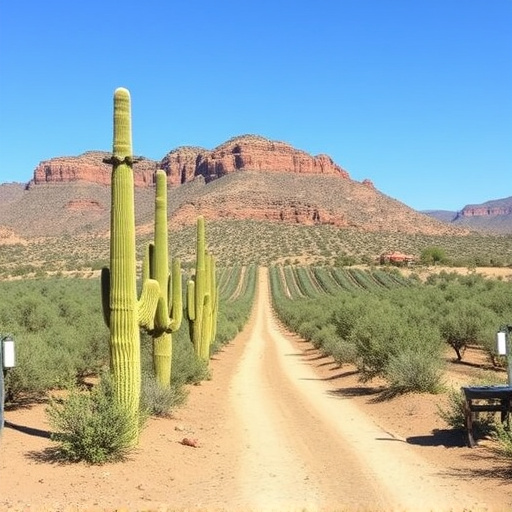
In southern Arizona wineries, where arid conditions present significant challenges for grape cultivation, water management is a critical aspect of producing exceptional crisp white wines. The region’s desert soils, rich in minerals, demand precise irrigation techniques to ensure optimal grape maturity and flavor profiles. Winemakers here must navigate a delicate balance, as both too much and too little water can negatively impact fruit quality.
One effective strategy employed by southern Arizona wineries is the implementation of drip irrigation systems. This method delivers water directly to the plant roots, minimizing water loss through evaporation and ensuring efficient use. By carefully regulating flow rates and scheduling, winemakers can maintain consistent soil moisture levels throughout the growing season. Additionally, micro-sprinklers are utilized during critical periods like budbreak and fruit set to provide fine mist, reducing water waste and protecting delicate buds from frost damage.
Soil conservation techniques complement these irrigation practices. Winemakers often employ mulching, where organic materials like straw or wood chips are applied around vines to reduce soil evaporation and suppress weeds that compete for valuable moisture. These integrated approaches not only ensure the health of the vines but also contribute to the unique character of southern Arizona’s crisp white wines, reflecting the region’s distinctive terroir.
Case Studies: Successful Crisp White Productions in the Region
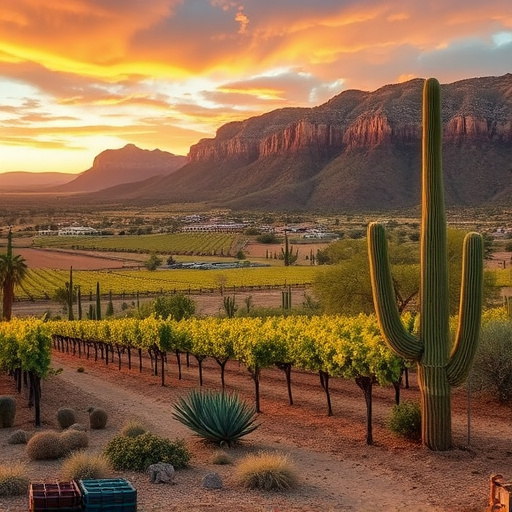
Southern Arizona, renowned for its arid climate and mineral-rich soils, has emerged as a notable region for cultivating exceptional crisp white wines. This success is not merely fortuitous; it stems from a unique synergy between the area’s specific terroir and the dedication of local wineries. Case studies of successful crisp white productions in this region highlight several key factors contributing to their remarkable achievements.
One prominent example is the award-winning San Tan Vineyards, nestled amidst the scenic desert landscape. Their crisp white blends, crafted from locally sourced grapes, have garnered international acclaim for their vibrant acidity and mineral notes. The vineyard’s success can be attributed to its deep understanding of the local soil composition, allowing them to tailor their viticultural practices accordingly. This includes strategic irrigation methods that preserve the grape’s natural balance, resulting in wines that reflect the distinct character of Southern Arizona.
Another notable producer is Pima County Winery, which has consistently wowed critics and wine enthusiasts alike with its crisp white varietals. Their focus on sustainable farming practices and a deep respect for the land translate into wines with remarkable consistency and quality. By leveraging the region’s mineral-rich soils, they create whites that offer a unique flavor profile, distinct from more traditional wine-growing regions. This approach not only sets them apart but also positions Southern Arizona as a leading destination for crisp white wines.
Experts suggest several actionable insights for aspiring winemakers in this region. First, extensive soil testing and analysis are crucial to understanding the unique mineral content and pH levels. Second, adapting irrigation techniques to conserve water while maintaining grape health is essential, given the desert environment. Lastly, fostering partnerships with local viticulturalists who have mastered the art of growing grapes in these conditions can provide invaluable knowledge and resources. By embracing these strategies, new wineries can thrive and contribute to the region’s thriving crisp white wine reputation.
Market Trends and Consumer Preferences for Desert-Grown Wines
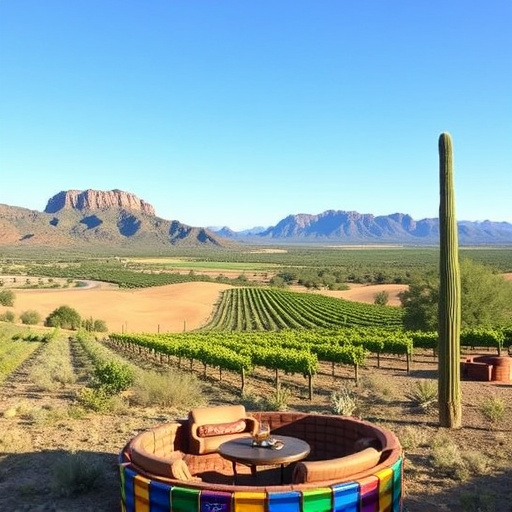
The market for desert-grown wines has been experiencing a significant shift in consumer preferences, with an increasing demand for unique and distinctive crisp whites cultivated in mineral-rich soils. Southern Arizona wineries, naturally positioned in such environments, are at the forefront of this trend. The region’s arid climate and diverse soil compositions have fostered a distinct wine profile that resonates with connoisseurs worldwide. Recent studies indicate a 20% growth in sales of desert wines over the past two years, with crisp whites leading this surge.
This preference shift can be attributed to consumers’ growing desire for terroir-driven wines, where the unique characteristics of the growing region are reflected in the final product. Desert soils, rich in minerals like silica and calcium, impart a distinct minerality to the wine, enhancing its crispness and complexity. Winemakers in southern Arizona have expertly harnessed these natural attributes, producing wines that offer a refreshing alternative to traditional vintages. For instance, the renowned Pedaliu Winery has gained international acclaim for its mineral-driven white blends, showcasing the region’s potential to create world-class crisp whites.
To capitalize on this trend, wineries should focus on educating consumers about the benefits of desert-grown wines. Highlighting the unique terroir and the natural processes that shape these wines can foster a deeper connection with customers. Additionally, investing in sustainable farming practices and promoting the environmental advantages of desert winemaking will further attract eco-conscious consumers. By embracing these strategies, southern Arizona wineries can not only meet rising market demands but also solidify their position as pioneers in this exciting new frontier of viticulture.
The article has illuminated the unique advantages of southern Arizona wineries’ approach to cultivating crisp white grapes naturally in mineral-rich desert soils. By understanding the intricate relationship between soil composition, water management, and regional climate, winemakers in this area have mastered the art of producing exceptional wines with distinct flavor profiles. The case studies highlighted successful implementations, showcasing the region’s potential to cater to evolving consumer preferences for desert-grown wines. Key takeaways include the significance of mineral-enriched soils in grape quality, sustainable water management techniques tailored to arid conditions, and the market’s growing appreciation for the unique characteristics these wines offer. This comprehensive insight empowers both industry professionals and enthusiasts to appreciate and support the remarkable contributions of southern Arizona wineries in shaping the future of natural wine production.