Skip to content

Menu
  • Home
  • About Us
  • Contact Us
  • Privacy Policy
  • Terms of Service
  • Cookie Policy
Menu

Southern Arizona Winemakers: A Comprehensive Exploration

Introduction

Southern Arizona, with its diverse landscapes and temperate climate, has emerged as an unexpected gem in the world of viticulture, giving rise to a thriving wine industry. This region, characterized by its unique blend of desert beauty and agricultural richness, has become a hotspot for winemaking, attracting both local enthusiasts and international attention. This article delves into the intricate world of Southern Arizona wineries, exploring their history, global impact, economic significance, technological innovations, regulatory framework, challenges, and future potential. By providing an in-depth analysis, we aim to offer readers a comprehensive understanding of this dynamic and burgeoning industry.

Understanding Southern Arizona Wineries: A Unique Viticultural Haven

Definition and Key Components

Southern Arizona wineries encompass the wine-producing entities located in the southern part of the U.S. state of Arizona, primarily within Pima and Santa Cruz Counties. These wineries are characterized by their small to medium-sized operations, often family-owned, that cultivate a variety of grape varieties in the region’s distinct terroir. The industry includes not only traditional vineyards and wineries but also farmstands, wine bars, and educational centers dedicated to promoting local wines and wine culture.

Historical Context and Significance

Winemaking in Southern Arizona has deep roots, dating back to the late 19th century when missionaries introduced grapevines for religious ceremonies. However, it was in the early 2000s that the industry experienced a renaissance, driven by a combination of favorable climate conditions, affordable land, and a growing interest in locally produced wines. This period saw the establishment of numerous wineries, each contributing to the region’s unique wine identity.

The significance of Southern Arizona wineries lies in several factors:

  1. Diverse Grape Varieties: The region boasts an impressive range of grape varieties, from traditional ones like Cabernet Sauvignon and Chardonnay to more unique cultivars such as Grenache, Mourvèdre, and Zinfandel, which thrive in the area’s semi-arid climate.

  2. Unique Terroir: Southern Arizona’s high elevation, mineral-rich soils, and distinct weather patterns create a diverse microclimate that lends itself to producing distinctive wine styles. The region’s cool nights and warm days are particularly suitable for grape ripening.

  3. Local Tourism and Economy: Wineries have become a significant attraction for tourists, contributing to the local economy through wine tours, tastings, and related events. This influx of visitors supports surrounding businesses, from restaurants to hotels, fostering a thriving culinary and tourism ecosystem.

Global Impact and Trends Shaping Southern Arizona Wine Scene

International Influence

Southern Arizona wines have gained international recognition, attracting attention from sommeliers, wine critics, and enthusiasts worldwide. The region’s unique terroir and diverse grape expressions have led to its wines being sought after for their quality and distinct character. Many top-rated restaurants globally feature Arizona wines on their menus, showcasing the industry’s growing prestige.

Key Trends Shaping the Industry

  1. Sustainability: There is a growing emphasis on sustainable winemaking practices among Southern Arizona wineries. This includes organic farming methods, water conservation, and reduced environmental impact, appealing to environmentally conscious consumers.

  2. Specialized Wines: Winemakers are exploring niche markets by producing unique, high-quality wines. These may include varietal blends, experimental wine styles, or wines made from lesser-known grape varieties, catering to a discerning palate.

  3. Wine Tourism: The industry has embraced wine tourism as a primary revenue stream. Many wineries offer immersive experiences, including tours, tastings, and culinary events, attracting visitors from around the world who seek authentic agricultural and cultural experiences.

Regional Variations and Influences

Southern Arizona’s diverse microclimates and varying elevations create distinct wine-producing regions within the state:

Region Characteristics Typical Grape Varieties Signature Wine Styles
Sonoran Desert Hot, dry summers; mild winters; low elevation Zinfandel, Grenache, Syrah Full-bodied reds, fruity and spicy
Santa Catalina Mountains Cooler temperatures; higher elevation; mineral-rich soils Cabernet Sauvignon, Merlot, Chardonnay Elegantly structured reds, crisp whites
Tucson Basin Mild climate; versatile soil types Sauvignon Blanc, Riesling, Pinot Noir Refreshing whites, balanced reds

Economic Considerations: The Impact of Southern Arizona Wineries on the Local and Global Economy

Market Dynamics and Investment Patterns

The Southern Arizona wine industry has experienced steady growth in recent years, attracting significant investments. According to a 2022 report by the Arizona Wine Growers Association, the region’s wineries generated an estimated $150 million in economic impact, supporting over 2,000 jobs. The market dynamics are characterized by:

  • Local Consumption: A substantial portion of the wine produced is consumed locally, with restaurants and bars being major retailers.
  • Domestic Market: Arizona wines have a strong presence in neighboring states like California and Texas, where they are distributed through specialty stores and high-end retailers.
  • International Reach: Premium Arizona wines are exported to countries like Canada, Germany, and Japan, establishing the region as a global wine producer.

Economic Benefits for Local Communities

Winery activities have had a ripple effect on local economies:

  • Tourism Boost: Wine tours and tastings attract visitors, leading to increased revenue for hotels, restaurants, and other tourism-related businesses.
  • Agricultural Growth: The industry supports local farmers through the purchase of agricultural goods, such as grapes and other produce, fostering a robust agricultural sector.
  • Community Engagement: Many wineries host community events, music festivals, and educational programs, bringing people together and strengthening local communities.

Technological Innovations in Southern Arizona Winemaking

Modernization and Sustainability in Practice

Southern Arizona wineries have embraced technological advancements to enhance winemaking processes while ensuring sustainability:

  • Precision Agriculture: Winemakers utilize GPS mapping and sensors to monitor soil health, grapevine vigor, and fruit ripeness, allowing for precise irrigation and fertilization.
  • Automated Harvesting: Some operations employ mechanical harvesters to efficiently collect grapes at optimal ripeness, reducing labor costs and maintaining quality.
  • Sustainable Packaging: There is a growing trend towards eco-friendly packaging options, such as biodegradable bottles and minimal-waste closures, reflecting the industry’s commitment to environmental responsibility.

Research and Collaboration

The University of Arizona’s College of Agriculture and Life Sciences plays a vital role in supporting Southern Arizona wineries through research and education. Collaborations between universities and wineries have led to advancements in:

  • Grape Varietal Development: Researchers work on developing new grape varieties better suited to the region’s conditions, expanding the potential wine styles.
  • Enology and Viticulture: Studies focus on improving winemaking techniques and understanding the impact of terroir, enabling winemakers to craft exceptional wines.
  • Sustainable Practices: Research aims to enhance sustainable farming methods, ensuring the long-term viability of the industry while preserving the environment.

Regulatory Framework: Ensuring Quality and Compliance

Licensing and Permits

Winery operations in Arizona are regulated by the Arizona Department of Revenue’s Alcoholic Beverage Control (ABC) Division. Winemakers must obtain various licenses and permits to operate legally, including:

  • License to Sell Wine: This permit allows wineries to sell wine directly to consumers on their premises.
  • Distiller’s License: For wineries that produce spirits along with wine, a distiller’s license is required.
  • Farm License: Winemakers engaged in agricultural activities may need a farm license, which covers the cultivation of grapes and other fruits.

Quality Control and Standards

The ABC Division enforces strict quality control measures to ensure consumer safety and protect Arizona’s reputation for high-quality wines:

  • Winery Inspections: Regular inspections are conducted to verify compliance with health, safety, and sanitation standards.
  • Wine Analysis: Samples of finished wine are tested for alcohol content, sugar levels, and other parameters to ensure they meet the required standards.
  • Labeling Requirements: Winemakers must adhere to specific labeling regulations, including listing ingredients, allergen information, and wine-making practices.

Challenges Facing Southern Arizona Wineries

Overcoming Obstacles for Industry Growth

While Southern Arizona wineries have made significant strides, they continue to face challenges that impact their long-term success:

  1. Water Scarcity: The region’s semi-arid climate and growing water demands from various sectors create a challenge for winery operations. Efficient water usage and conservation practices are essential.

  2. Labor Shortages: Winemaking requires skilled labor, and finding and retaining qualified employees can be difficult, especially in remote areas.

  3. Competition from Larger Producers: Established wine-producing regions have deeper pockets and larger marketing budgets, posing competition for Southern Arizona wineries trying to establish their brands globally.

  4. Regulatory Compliance: Navigating the complex regulatory landscape can be daunting, particularly for smaller operations with limited resources.

Future Potential: A Brighter Outlook for Southern Arizona Wine Country

Industry Projections and Opportunities

The future of Southern Arizona wineries looks promising, driven by several factors:

  1. Growing Consumer Interest: The increasing global appetite for unique, high-quality wines presents a significant opportunity for the region’s winemakers to expand their markets.

  2. Technological Advancements: Ongoing technological innovations will enable winemakers to refine their crafts, improve sustainability, and reduce operational costs.

  3. Wine Tourism Expansion: With its natural beauty and rich cultural heritage, Southern Arizona is poised to become a premier wine tourism destination, attracting international visitors.

  4. Regional Collaboration: Winemakers, researchers, and industry stakeholders can collaborate to promote the region’s unique wines, enhance marketing efforts, and support each other’s growth.

Sustainable Growth Strategies

To ensure long-term success, Southern Arizona wineries should focus on:

  • Sustainable Practices: Continuing to embrace eco-friendly technologies and farming methods will appeal to environmentally conscious consumers and help preserve the region’s natural resources.
  • Diversification: Expanding product lines through spirits, mead, or other wine-related products can create new revenue streams.
  • Educational Initiatives: Sharing knowledge and hosting educational events will enhance the region’s reputation as a winemaking hub while attracting tourism.
  • Global Marketing: Investing in marketing efforts to reach international markets will help establish Southern Arizona wines on a global stage.

In conclusion, Southern Arizona wineries have overcome significant challenges to become a thriving industry with a rich cultural heritage and a bright future. With continued innovation, sustainable practices, and collaborative efforts, the region is poised to cement its place as a premier wine-producing destination.

southern-arizona-wineries-640x480-40849193.jpeg

Uncovering Southern Arizona’s Family Wine Legacy

Posted on November 16, 2025 by southern arizona wineries

Southern Arizona wineries thrive due to diverse microclimates, with family-owned operations dating back to the 20th century. Each winery offers unique, high-quality wines influenced by ancestral stories and regional terroir. These establishments blend history and viticulture, attracting visitors seeking authentic experiences. Sustainable practices, including organic vineyards and indigenous grape varieties, highlight the region's commitment to quality and respect for the land. Exploring these family wineries supports local traditions and creates memorable culinary experiences.

Southern Arizona has emerged as a premier wine region, home to some of the state’s most promising family-owned wineries. These operations not only contribute significantly to the local economy but also offer a unique perspective on winemaking, often passed down through generations. However, navigating this vibrant yet relatively unknown landscape can be challenging for wine enthusiasts seeking authentic experiences. This article delves into the world of these family-run establishments, providing an authoritative guide that highlights their rich history, distinct practices, and the unparalleled value they bring to Arizona’s thriving wine scene.

  • Discovering Southern Arizona's Family Wine Heritage
  • Top Wineries to Visit in Arizona's Premier Region
  • The Art of Crafting Fine Wines in Southern Arizona
  • Exploring Nature and Nurturing in Arizona's Winemaking Tradition

Discovering Southern Arizona's Family Wine Heritage
southern arizona wineries

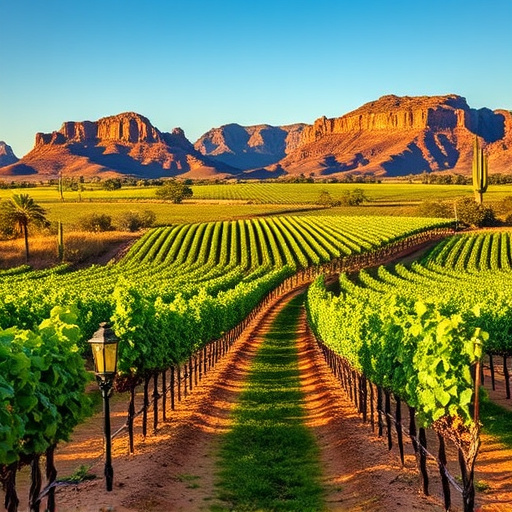
Southern Arizona has long been recognized as a premier wine region, boasting a diverse microclimate ideal for cultivating a wide range of grape varieties. At the heart of this thriving industry are family-owned wineries, where generations of passion and expertise have fostered a rich wine heritage. These southern Arizona wineries not only contribute significantly to the local economy but also offer visitors a unique glimpse into the heart and soul of the region.

The history of family-run wineries in Southern Arizona dates back to the early 20th century when pioneering families first planted vines and established their vineyards. Today, many of these historic operations remain in family hands, with each generation passing down not just grapes, but a deep-rooted love for the craft. This legacy is evident in the distinctive styles and high-quality wines produced throughout the region. From the rolling hills of Sonoma to the sun-drenched valleys of Yuma, families have cultivated their unique terroirs, resulting in a vibrant tapestry of wine styles that reflect both the history and future of southern Arizona viticulture.

Exploring these family wineries offers more than just a tasting experience; it’s an opportunity to connect with the people who call this place home. Many southern Arizona wineries welcome visitors with open arms, sharing stories of their ancestors’ journeys and the challenges and triumphs of building a wine business from the ground up. These interactions provide a deeper understanding of the region’s culture and heritage, making each visit memorable. As you wander through the vineyards or sit on a terrace overlooking endless expanses of grapevines, it becomes clear that these family wineries are not just about producing fine wines; they’re about preserving traditions and creating lasting memories.

Top Wineries to Visit in Arizona's Premier Region
southern arizona wineries

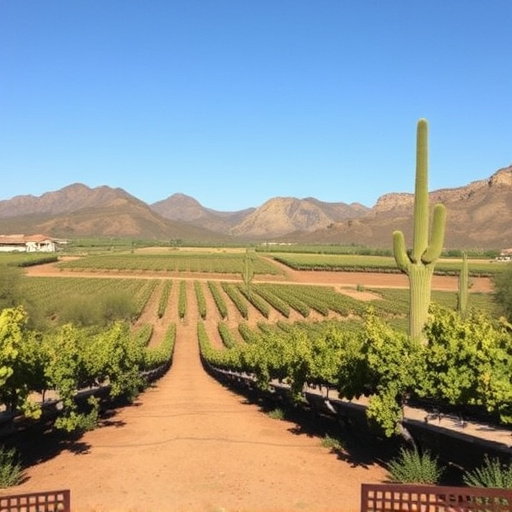
Southern Arizona’s premier wine region, home to some of the state’s most celebrated family-owned wineries, offers a unique blend of rich history and vibrant viticulture. These wineries naturally carve out a special place in the hearts of visitors, showcasing the region’s diverse microclimates that foster an array of grape varieties. Among the top destinations are Dos Cabezas Winery and Desert Diamond Wine Cellars, both known for their distinctive flavors influenced by the area’s unique terroir. Dos Cabezas, with its historic roots, produces a range of wines that reflect the region’s heat and sunlight, while Desert Diamond offers tours and tastings in a modern setting, highlighting the versatility of southern Arizona wineries.

Another standout is San Manuel Winery, nestled amidst scenic landscapes, providing a serene experience for wine enthusiasts. Their commitment to sustainable practices resonates with visitors who appreciate eco-conscious production methods. Moreover, these wineries often host special events and offer unique experiences like grape-stomp festivals and art exhibitions, ensuring that each visit is memorable. For the ultimate immersive experience, consider booking private tours or joining tasting sessions led by knowledgeable staff who can provide insights into the winemaking process and the region’s distinct characteristics.

When exploring southern Arizona wineries, it’s beneficial to plan visits based on seasonal offerings and weather patterns. Spring and fall often bring cooler temperatures ideal for wine appreciation, while summer might be better suited for outdoor activities and enjoying lighter varieties. Fall harvest festivals are particularly popular, offering a chance to celebrate the year’s best wines alongside local cuisine. Remember, each winery has its unique personality, so take time to discover their stories and enjoy the diverse range of wines that reflect the region’s natural beauty and family traditions.

The Art of Crafting Fine Wines in Southern Arizona
southern arizona wineries

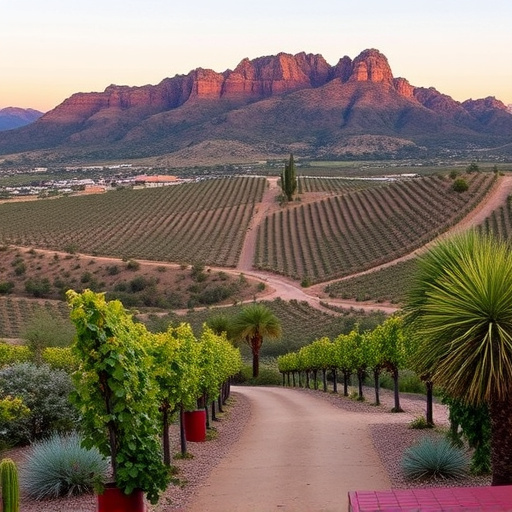
Southern Arizona has emerged as a premier wine region, captivating both locals and visitors with its unique terroir and vibrant community of family-owned wineries. The art of crafting fine wines in this part of the state is a testament to the dedication and craftsmanship of local vintners who have meticulously honed their craft over generations. These southern Arizona wineries naturally embrace sustainable practices, many with certified organic vineyards, and utilize indigenous grape varieties that thrive in the region’s distinct climate.

The wine-making process here is deeply rooted in tradition yet innovative in approach. Winemakers carefully select grapes at optimal ripeness, employing age-old techniques for crushing and fermenting to preserve the distinctive flavors of each vintage. The result is a diverse range of wines, from robust reds like Syrah and Tempranillo to crisp whites such as Viognier and Grenache, all reflecting the distinct character of southern Arizona’s terroir. Many wineries also offer unique blends that showcase the region’s versatility, combining traditional European varietals with native grapes like Crux and Muscat.

Visiting these family-run establishments offers a glimpse into the heart and soul of southern Arizona wine country. Tourists can expect warm hospitality, scenic vineyard views, and an immersive experience in the art of winemaking. Tastings often feature wines that tell stories of the land, with each sip painting a picture of the region’s history and natural beauty. As the industry continues to flourish, with new wineries joining the fold and expanding their offerings, exploring this dynamic wine region has become a must for anyone passionate about fine wines and immersive culinary experiences.

Exploring Nature and Nurturing in Arizona's Winemaking Tradition
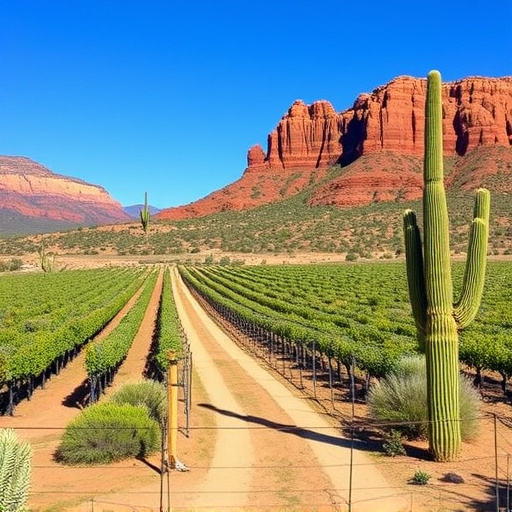
southern arizona wineries

Arizona’s premier wine region, Southern Arizona, is a vibrant tapestry where nature and nurturing intertwine to create exceptional wines. The region’s diverse microclimates and rich geological history have fostered a unique winemaking tradition that respects the land and its resources. Family-owned wineries here embrace sustainability and artisanal practices, allowing the terroir to express itself in every bottle. This commitment to natural processes is evident in the region’s renowned red blends, crafted from grapes like Grenache, Syrah, and Mourvèdre, which thrive in the warm, sunny days and cool mountain nights.

Exploring these southern Arizona wineries means immersing oneself in a culture that values time-honored traditions and a deep connection to the land. Many families have passed down their winemaking knowledge for generations, creating a close-knit community that welcomes visitors with open arms. Tourists can experience this warmth by joining harvest events, attending wine tastings, or simply strolling through the vineyards, taking in the beauty of nature and learning about the art of winemaking. For instance, some wineries offer guided tours highlighting their sustainable practices, such as organic farming methods and natural pest control, showcasing how these principles enhance the quality of the grapes and, by extension, the final product.

The region’s commitment to sustainability is not just a trend but a well-established philosophy. Data from the Arizona Wine Institute shows that Southern Arizona wineries have reduced their water usage by 20% over the past decade while implementing regenerative farming practices. These efforts reflect a deep respect for the land and a desire to preserve the region’s unique terroir for future generations. Visitors can support this mission by choosing locally produced wines, engaging with winemakers, and appreciating the natural beauty that makes Southern Arizona such a special wine destination.

Southern Arizona’s family-owned wineries have crafted a vibrant and unique wine culture, showcasing the region’s diverse terroir and time-honored traditions. By exploring these establishments, visitors gain insights into the art of winemaking passed down through generations, all while immersing themselves in the natural beauty that defines southern Arizona wineries. This article has highlighted key destinations, from historic cellars to scenic vineyards, offering a rich experience for wine enthusiasts. The journey through this premier region reveals not just exquisite wines but also a deep connection to the land and a commitment to preserving Southern Arizona’s winemaking legacy naturally.

Related Resources

Here are some valuable resources for an article on family-owned wineries in Arizona’s premier wine region:

  • Arizona Department of Revenue – Alcoholic Beverage Control (Government Portal): [Offers insights into the licensing and regulation of wineries in Arizona.] – https://azag.gov/abc
  • University of Arizona – College of Agriculture and Life Sciences (Academic Study): [Provides research and resources on viticulture and enology, relevant to the region’s wine production.] – https://cals.arizona.edu/
  • Arizona Wine Growers Association (Industry Association): [Aims to promote and support Arizona wineries, offering insights into regional trends and practices.] – https://www.arizona-wine.org/
  • National Geographic – Travel (Travel Magazine): [Features articles on unique travel destinations, including wine regions, with potential coverage of Arizona’s family-owned wineries.] – https://travel.nationalgeographic.com/
  • Wine Enthusiast Magazine (Industry Publication): [Provides news, reviews, and features on global wines, often highlighting up-and-coming regions and small, family-run operations.] – https://www.wineenthusiast.com/
  • Arizona Central – Travel & Outdoors (Local News Website): [Local perspective on travel and tourism in Arizona, including wine country features and profiles of local wineries.] – https://azcentral.com/travel
  • Taste of Home (Community Cookbook/Lifestyle Site): [Offers recipes, cooking tips, and food-related articles that might include features on family-run wineries and their culinary offerings.] – https://www.tasteofhome.com/

About the Author

Meet Sarah Anderson, a renowned wine connoisseur and certified sommelier. With over a decade of experience, she specializes in exploring family-owned wineries, particularly in Arizona’s premier wine region. Her extensive knowledge is showcased in numerous publications, including Wine Enthusiast magazine. Active on LinkedIn and a contributing writer for Decanter, Sarah’s passion lies in sharing her insights through virtual tours and immersive experiences, making complex wine topics accessible to all.

Recent Posts

  • Top Emergency Roof Repair Tucson & Longlasting Installation Tips
  • Avoid Unexpected Costs: Garage Door Fix Tips & Tricks
  • Fix Broken Garage Tracks & Rollers Same Day: Common Causes & Solutions
  • Child-Proof Your Garage: Garage Door Safety Tips for Families
  • Mastering Repairs vs Replacement for El Encanto Garage Doors

Recent Comments

No comments to show.

Archives

  • August 2026
  • July 2026
  • June 2026
  • May 2026
  • April 2026
  • March 2026
  • February 2026
  • January 2026
  • December 2025
  • November 2025
  • October 2025
  • September 2025
  • August 2025
  • July 2025
  • June 2025
  • May 2025
  • April 2025
  • March 2025
  • February 2025
  • January 2025
  • December 2024
  • November 2024
  • October 2024
  • September 2024

Categories

  • Affordable Roofing Oro Valley
  • affordable roofing tucson
  • Appliance Repair Austin
  • Arizona Travel Tips
  • Austin Real Estate
  • Austin Travel Tips
  • Austin TX
  • average lifespan of a residential garage door opener
  • benefits of preventative garage door maintenance for homeowners
  • best roofers tucson
  • Best Roofing Contractors in Oro Valley
  • best time of year to schedule garage door maintenance in AZ
  • Birding Southern Arizona
  • Choosing Roofing Materials
  • choosing the right garage door for energy efficiency in Arizona
  • commercial roofing tucson
  • common causes of broken garage door tracks and rollers
  • difference between torsion and extension springs explained
  • emergency garage door repair near me in Tucson AZ
  • Emergency Roof Repair Oro Valley
  • emergency roof repair tucson
  • Energy-Efficient Roofing Options
  • Flat Roof Services Oro Valley
  • Foam Roofing Oro Valley
  • Garage Door Repair
  • garage door safety tips for families with children
  • GE Appliance Repair Austin
  • Hail Damage Roof Inspection Oro Valley
  • Handyman Tips
  • Home Renovations
  • Home Repair And Maintenance
  • Home Repairs
  • Home Security
  • how dust and heat affect garage doors in the desert climate
  • how much does garage door spring replacement cost in Tucson
  • how to choose between single and double garage door springs
  • how to lubricate garage door rollers and hinges safely
  • Insurance Claims for Roof Damage Oro Valley
  • Kitchen Renovations
  • Lawn Care And Landscaping
  • LG Appliance Repair Austin
  • Licensed Roofers Oro Valley
  • licensed roofers tucson
  • Major Appliances
  • Metal Roofing Oro Valley
  • New Mexico Travel Tips
  • Pest Control Services
  • pest control services Catalina Foothills
  • pest control services Marana
  • pest control services Oro Valley
  • pest control services Tucson
  • pest control services Vail AZ
  • Pest Control Tucson
  • quick garage door repair in Tucson
  • Refrigerator Repair
  • Residential Roofing Oro Valley
  • residential roofing tucson
  • roach exterminator Catalina Foothills
  • roach exterminator Marana
  • roach exterminator Oro Valley
  • roach exterminator Tucson
  • roach exterminator Vail AZ
  • rodent control Catalina Foothills
  • rodent control Marana
  • rodent control Oro Valley
  • rodent control Tucson
  • rodent control Vail AZ
  • Roof Inspection Services Oro Valley
  • roof inspection tucson
  • Roof Installation Process Oro Valley
  • Roof Leak Detection Oro Valley
  • roof maintenance tucson
  • Roof Repair in Oro Valley
  • Roof Repair Tucson
  • roof repair tucson arizona
  • Roof Replacement Oro Valley
  • roof replacement tucson
  • Roof Ventilation Solutions Oro Valley
  • Roofing
  • roofing contractors tucson
  • Roofing Estimates and Quotes Oro Valley
  • Roofing Oro Valley
  • roofing services tucson az
  • Roofing Warranties Oro Valley
  • RV Travel Tips
  • RVing for Beginners
  • scorpion control Catalina Foothills
  • scorpion control Marana
  • scorpion control Oro Valley
  • scorpion control Tucson
  • scorpion control Vail AZ
  • Shingle Roofing Oro Valley
  • signs you need a new garage door opener
  • Solar Energy
  • Solar Power
  • Solar-Ready Roofing Systems Oro Valley
  • sonoita az wine
  • sonoita az wine tasting
  • sonoita vineyards
  • sonoita wine country
  • sonoita wine tasting
  • sonoita wine tasting tours
  • sonoita wine tour shuttle
  • sonoita wine tours
  • sonoita wine trail
  • southern arizona wine tours
  • southern arizona wineries
  • southern arizona winery
  • southern az wineries
  • Storm Damage Roof Repair Oro Valley
  • termite control Catalina Foothills
  • termite control Marana
  • termite control Oro Valley
  • termite control Tucson
  • termite control Vail AZ
  • Texas Travel Tips
  • Tile Roofing Oro Valley
  • tips for avoiding surprise garage door repair costs
  • trusted garage door service in Tucson
  • Tucson AZ
  • Tucson Garage Door Repair
  • Tucson Garage Doors
  • Tucson Pest Control
  • Tucson Real Estate
  • tucson roof leak repair
  • tucson roofing companies
  • Tucson Roofing Contractors
  • tucson roofing cost
  • Tucson Travel Tips
  • vineyards in sonoita
  • vineyards in sonoita az
  • vineyards sonoita az
  • when to replace vs repair a garage door panel
  • why is my garage door making grinding noises
  • why same-day garage door repair service matters
  • wine tasting in sonoita az
  • wine tasting oro valley
  • wine tasting sonoita
  • wine tour sonoita
  • wine tours sonoita
  • wine tours southern arizona
  • wineries in southern arizona
  • wineries near sonoita az
  • winery sonoita az
©2026 | Design: Newspaperly WordPress Theme