Southern Arizona wineries naturally thrive thanks to rare grape varietals adapted to desert climates. Arid conditions, mineral-rich soils, and innovative practices like canopy management and drip irrigation produce unique, high-quality wines. Over 50% of Arizona's wineries incorporate drought-adapted varietals, contributing to global viticulture in the face of climate change. The region attracts wine lovers seeking authentic, diverse, and expressive bottles reflecting its distinct terroir.
The global wine industry has long been captivated by the unique flavors and terroirs of regions with challenging climates, yet desert areas are often overlooked. However, southern Arizona wineries naturally flourish in this environment, cultivating rare varietals that thrive under the intense sun and arid conditions. This article delves into the art and science behind these thriving vineyards, exploring the specific varieties, cultivation techniques, and environmental factors that contribute to the distinctive character of wines from this region. By understanding these principles, wine enthusiasts can appreciate the diverse offerings emerging from desert climates worldwide.
- Uncovering Rare Vitis in Arid Environments
- Southern Arizona's Winemaking Legacy: A Natural Nurture
- Desert-Adaptable Grapes: Varietals and Their Secrets
- The Art of Cultivating Unique Wines in Harsh Climes
- Exploring the Diverse Flavors of Southern Arizona Wineries
Uncovering Rare Vitis in Arid Environments
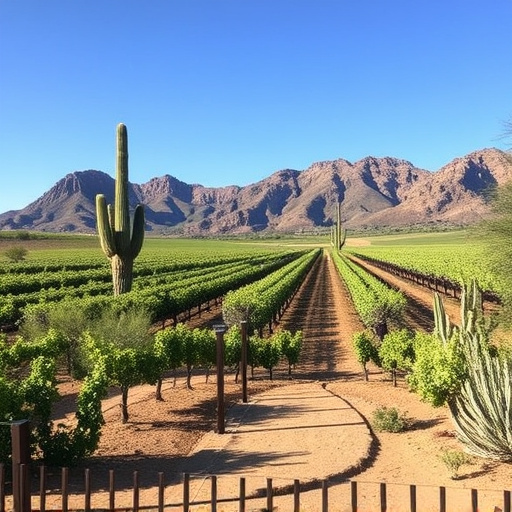
The pursuit of rare grape varietals has led viticulturists to explore some of the most unexpected places, with desert climates emerging as a hotbed for unique and historically overlooked wine grapes. Southern Arizona, for instance, is home to several wineries that have successfully cultivated these drought-tolerant varieties, challenging conventional wisdom about grape growing. This region’s arid conditions, often deemed inhospitable for extensive viniculture, have paradoxically fostered the growth of rare Vitis species, offering a rich and diverse range of flavors.
One notable example is the Tempranillo grape, which has found its niche in the warm, sunny soils of southern Arizona. Winemakers here have harnessed the power of local microclimates to produce Tempranillos with distinct character and high acidity, showcasing a side of this traditional Spanish variety rarely seen elsewhere. Similarly, other lesser-known grapes like Grenache, Mourvèdre, and Carignan thrive in these conditions, contributing to the diverse wine landscape of the region. Data from the Arizona Wine Growers Association indicates that over 50% of the state’s wineries now incorporate at least one rare varietal into their production, with many focusing on drought-adapted grapes.
Uncovering these hidden gems requires a deep understanding of local ecosystems and grape behavior in arid environments. Winemakers in southern Arizona have adopted innovative practices such as extensive canopy management, drip irrigation, and the use of native soil amendments to optimize grape growth. These techniques not only ensure the survival of rare varietals but also contribute to sustainable wine production. As climate change continues to shape agricultural landscapes, the success of these desert wineries offers valuable insights into adapting viticulture to challenging conditions worldwide.
Southern Arizona's Winemaking Legacy: A Natural Nurture
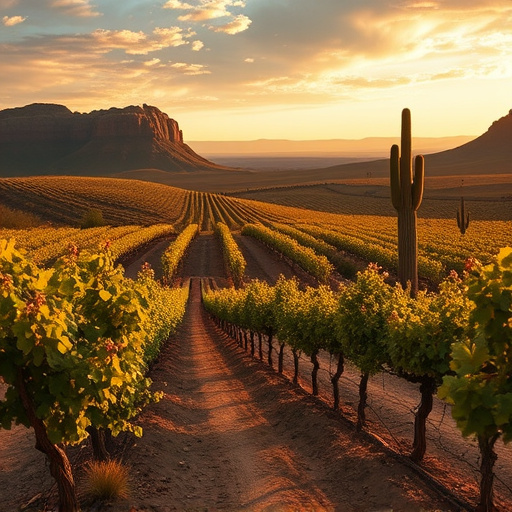
Southern Arizona has emerged as a vibrant hub for winemaking, defying the conventional notion that desert climates are inhospitable to grape cultivation. The region’s unique terroir, characterized by arid conditions and distinct mineral content in the soil, naturally nurtures a diverse range of rare varietal grapes. This environment fosters remarkable flavors and aromas, setting the stage for exceptional wines that reflect the territory’s distinct character. With an increasing number of southern Arizona wineries embracing these indigenous varietals, the region is fast establishing itself as a destination for wine enthusiasts seeking unique and expressive bottles.
The natural conditions in southern Arizona provide an ideal setting for rare grape varieties to flourish. The state’s hot, dry summers and cool nights slow down ripening, allowing grapes to accumulate complex sugars and acids. Moreover, the mineral-rich soils add depth and nuance to the final product, creating wines with unique flavor profiles that are truly a reflection of their origin. Varietals such as Tempranillo, Grenache, and Mourvèdre thrive in these conditions, producing elegant red wines with distinct desert characteristics. For instance, many southern Arizona wineries are known for their exceptional Tempranillo offerings, showcasing the grape’s ability to embody the region’s climate and geography through each sip.
To embrace this natural nurture, winemakers in southern Arizona employ various techniques. These include selecting clones of varietals that perform exceptionally well in hot climates, implementing sustainable farming practices to preserve soil health, and using native yeast strains for fermentation. By understanding and harnessing the unique attributes of their terroir, these wineries produce wines that stand out for their authenticity and distinct flavor profiles. The result is a vibrant and diverse wine scene that offers something unique for every palate, solidifying southern Arizona’s place as a must-visit destination for wine lovers exploring rare varietals thriving in desert climates.
Desert-Adaptable Grapes: Varietals and Their Secrets
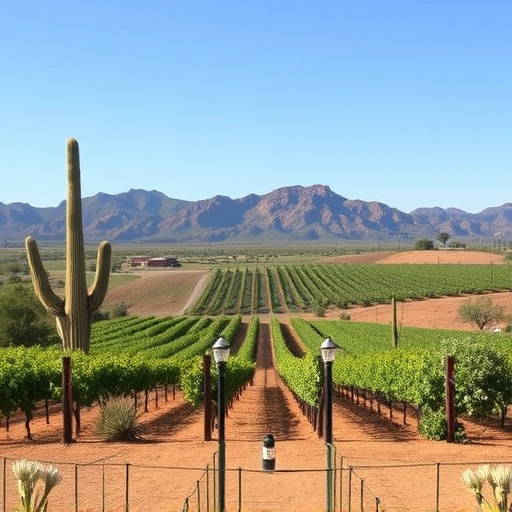
Desert climates, characterized by scorching heat and minimal rainfall, present unique challenges for grape cultivation. Yet, against all odds, certain grape varietals have adapted to thrive in these arid environments, offering a taste of rarity and uniqueness to wine enthusiasts. Southern Arizona, with its hot, dry summers and cool nights, has emerged as a surprising haven for such desert-adaptable grapes, challenging the traditional notion that winemaking is limited to temperate zones.
Among the most notable varietals thriving in this region are Touriga Nacional, Tinta Roriz (Tempranillo), and Mourvèdre. These grapes have developed distinct characteristics that reflect their desert heritage. For instance, Touriga Nacional, originally from Portugal’s Douro Valley, is known for its robust structure and rich flavors of black fruits—a testament to its ability to accumulate concentrated sugars in the hot sun. In southern Arizona wineries, this varietal produces wines with intense flavors and a firm tannic structure that age beautifully. Similarly, Tinta Roriz, popular in Spain’s Rioja region, exhibits excellent heat tolerance and produces deep, complex reds when grown in desert conditions. Mourvèdre, originally from the Mediterranean, is renowned for its ability to retain acidity even in warm climates, resulting in wines with a refreshing balance of fruit and tartness.
The secrets behind these grapes’ success lie in their evolutionary adaptations. Over centuries, they have developed root systems that can access deep groundwater, enabling them to survive prolonged droughts. Additionally, their thick skins act as natural sunshades, protecting the delicate flesh from excessive heat. Winemakers in southern Arizona naturally capitalize on these traits, employing sustainable farming practices that include minimal irrigation and careful canopy management. As a result, these desert-adapted grapes not only produce exceptional wines but also contribute to the region’s unique terroir—a concept that intertwines the character of the wine with its origin.
To explore these varietals further, consider visiting local southern Arizona wineries. Tasting their offerings provides a direct connection to this fascinating intersection of viticulture and climate. Each sip reveals not just a wine but a story of adaptation, resilience, and the ever-evolving dance between grape and desert landscape.
The Art of Cultivating Unique Wines in Harsh Climes
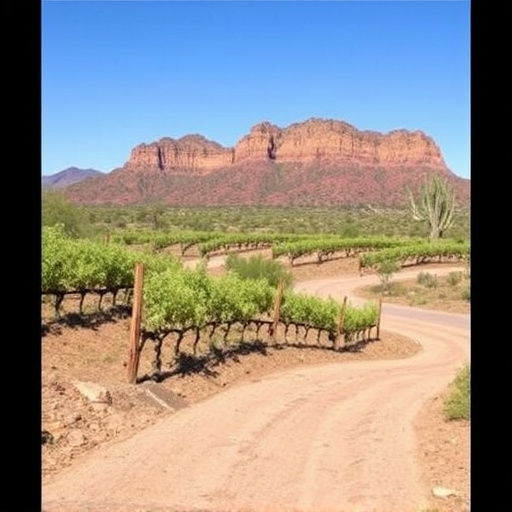
The art of cultivating unique wines in harsh climes has seen a burgeoning interest among winemakers who embrace the challenge of producing distinctive varietals in seemingly inhospitable environments. One such region that stands out is southern Arizona, where wineries naturally thrive despite the desert climate’s extremes. This area has become a vibrant example of how innovative farming practices and specific grape choices can result in world-class wines.
The success lies in understanding and leveraging the unique characteristics of the terrain and weather patterns. Southern Arizona’s high altitudes, intense sunlight, and low humidity create ideal conditions for certain grape varieties that are well-adapted to heat. Winemakers here have discovered that rare and lesser-known grapes, such as Tempranillo and Grenache, flourish in these conditions, producing wines with distinct flavors and aromas that are often more robust and complex than their coastal counterparts. For instance, many of the region’s wineries report that their Tempranillos exhibit notes of spice, dark fruit, and a lingering finish, attributes that have garnered critical acclaim and a growing international following.
Practical insights for winemakers in such regions include selecting grape varieties suited to the climate, implementing efficient irrigation systems, and utilizing advanced canopy management techniques. By carefully managing the vines, winemakers can optimize exposure to sunlight, control temperature, and ensure optimal ripeness levels. Additionally, investing in state-of-the-art technology for monitoring and data collection allows producers to make informed decisions, ensuring the consistent quality and distinct character of their wines. These practices not only enhance the final product but also contribute to the sustainability and resilience of vineyards in challenging climates.
Exploring the Diverse Flavors of Southern Arizona Wineries
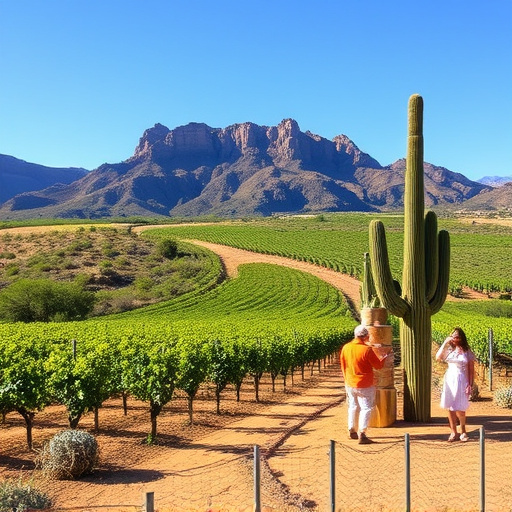
Southern Arizona wineries, nestled amidst the arid landscapes, have emerged as a vibrant testament to the region’s unique terroir and the resilience of viticulture in extreme climates. This desert ecosystem presents distinct challenges for grape growers, but it also offers a remarkable canvas for crafting rare and exquisite wines that bear the essence of their environment. The diverse microclimates across the state support an astonishing array of grape varieties, many of which thrive where other regions might struggle, resulting in a rich and ever-evolving wine scene.
Exploring these southern Arizona wineries reveals a tapestry of flavors shaped by the sun-kissed valleys and towering mountains. Varietals like Tempranillo, known for its depth and complexity, flourish in the region’s warm days and cool nights, yielding wines that capture the essence of Spanish heritage with a distinct desert twist. Additionally, Grenache, often celebrated for its aromatic and fruity profiles, finds its perfect home here, producing wines that exude a vibrancy reflective of the area’s vibrant landscape. The scarcity of these rare varietals, coupled with their remarkable performance in southern Arizona wineries, attracts connoisseurs seeking unique and exceptional sips.
Practical insights for visitors include planning visits during cooler seasons to avoid the intense desert heat, which can distort wine tastings. Engaging with winery staff offers valuable knowledge about the grapes’ origins and the specific terroir that influences each pour. Many southern Arizona wineries also emphasize sustainability and local partnerships, showcasing their commitment to not only crafting exceptional wines but also preserving the region’s natural beauty. Ultimately, exploring these wineries provides a sensory journey through a landscape where flavors dance with the arid air, creating unforgettable experiences for wine enthusiasts.
By exploring the unique challenges and successes of southern Arizona wineries naturally thriving in desert climates, this article has unveiled profound insights into cultivating rare grape varietals. It highlights the adaptability of certain grapes to arid environments, showcasing a rich tapestry of flavors that emerge from these harsh conditions. The legacy of winemaking in Southern Arizona underscores the region’s natural nurturing of distinctive wines, offering valuable lessons for both industry professionals and enthusiasts. Key takeaways include the importance of understanding desert-adaptable grape varietals, mastering cultivation techniques specific to challenging climes, and appreciating the diverse, unique flavors that result. Armed with this knowledge, stakeholders can foster further innovation and promote the sustainable development of southern Arizona wineries naturally, ensuring their continued prosperity and global recognition for their distinctive offerings.