Southern Arizona wineries thrive in arid climates, producing rare varietal wines with bold flavors through sustainable practices. Key varietals include Tempranillo, Grenache, and Mourvèdre, with small-batch producers offering unique blends. Winemakers use innovative techniques like precise irrigation and organic farming to adapt to the environment, fostering ecological balance and distinctive terroir. Visiting Tucson and Bisbee provides insights into their stories and resilience.
The global wine industry is witnessing a surge in demand for unique, diverse varietals, pushing producers to explore beyond traditional grape-growing regions. Among the most intriguing frontiers in this pursuit is the cultivation of rare grapes in desert climates. Southern Arizona wineries, naturally positioned within such an environment, are at the forefront of this innovative movement. This article delves into the strategies and challenges involved in thriving rare varietal production in arid settings, offering insights that could shape the future of winemaking worldwide.
- Unveiling Unique Varietals: Desert Climate Wine Production in Southern Arizona
- Navigating Challenges: How Winemakers Thrive with Rare Grapes in Arid Environments
Unveiling Unique Varietals: Desert Climate Wine Production in Southern Arizona
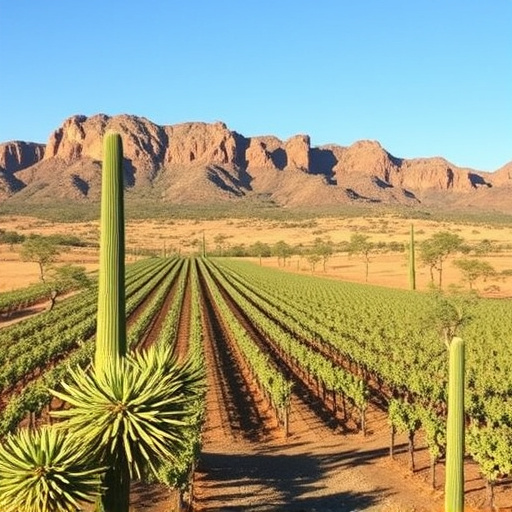
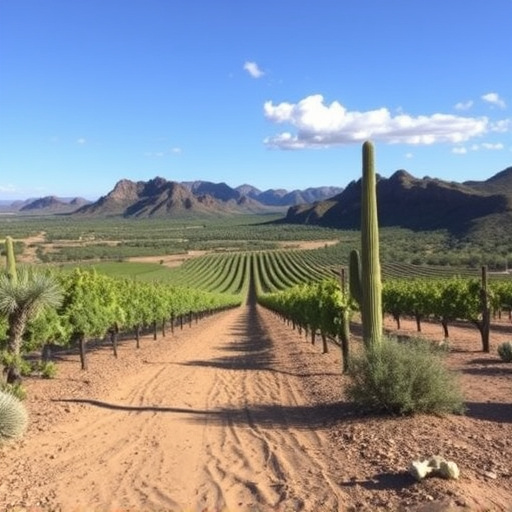
Southern Arizona, with its arid landscape and intense sun, might seem an unlikely place for winemaking, yet it has emerged as a thriving center for rare varietal wines. The region’s unique terroir, characterized by nutrient-poor soils, distinct microclimates, and prolonged daylight hours, cultivates grapes that produce flavors both nuanced and bold. This environment offers winemakers the opportunity to explore and preserve lesser-known grape varieties that thrive where few others can.
One notable aspect of southern Arizona wineries is their commitment to sustainability and minimal intervention. Many producers prioritize organic and biodynamic practices, allowing the terroir to express itself authentically in each vintage. Varietals like Tempranillo, known for its richness and complexity, flourish in the region’s warm days and cool nights. Additionally, Spanish grape varieties such as Grenache and Mourvèdre have found a second home here, contributing to a distinct and diverse wine portfolio. These rare varietals not only challenge conventional winemaking thinking but also captivate discerning palates worldwide.
To experience the best of what southern Arizona wineries offer, visitors are encouraged to explore beyond the major labels. Small-batch producers often showcase unique blends and single-vineyard wines that highlight the region’s versatility. Tasting rooms in locales like Tucson and Bisbee provide opportunities to engage with passionate winemakers who are shaping the future of desert wine country. By seeking out these hidden gems, enthusiasts can uncover stories woven into every bottle, tales of resilience, adaptation, and the magic that arises when grapes meet earth in this extraordinary climate.
Navigating Challenges: How Winemakers Thrive with Rare Grapes in Arid Environments
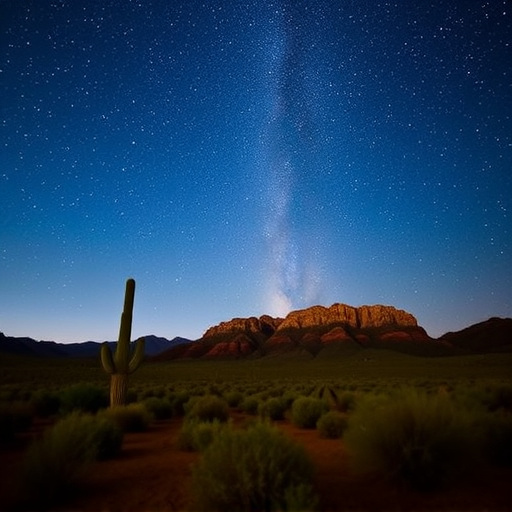
Navigating Challenges: Winemakers thrive with rare grapes in arid environments by harnessing unique strategies adapted to the harsh conditions of desert climates. In southern Arizona, for instance, where temperatures can soar above 100°F (38°C) and water scarcity is a persistent issue, wineries have developed innovative techniques to cultivate diverse grape varieties that might otherwise struggle. This region’s winemakers have embraced challenges as opportunities, fostering thriving ecosystems within these seemingly inhospitable landscapes.
Key strategies include meticulous irrigation management, utilizing drip systems and precise timing to deliver precisely the right amount of water directly to the roots, minimizing stress on the vines. They also employ creative canopy management techniques, carefully pruning and training vines to maximize sunlight exposure and air circulation, reducing the risk of heat stress and disease. Additionally, selecting grape varieties suited to warm climates plays a crucial role. Varieties like Grenache, Mourvèdre, and Zinfandel, known for their heat tolerance and ability to produce deep, rich flavors in arid conditions, are becoming increasingly popular among southern Arizona wineries.
Beyond these technical approaches, winemakers foster symbiotic relationships with local ecosystems. Using organic farming practices, they promote beneficial insects and microbes that help control pests and disease naturally, reducing the need for chemical interventions. This holistic approach not only ensures healthier vines but also contributes to the overall ecological balance of these delicate desert environments. As a result, rare varietals are thriving, producing distinctive wines that reflect the unique character of southern Arizona’s terroir.
The exploration of rare grape varietals thriving in desert climates, particularly in southern Arizona, reveals a captivating interplay between viticulture and arid environments. Winemakers in this region have masterfully adapted to navigate challenges such as limited water resources and extreme temperatures, demonstrating resilience and innovation. By embracing these unique conditions, southern Arizona wineries naturally produce distinctive wines with complex flavors and aromas. This article has provided valuable insights into the strategies and successes of these producers, highlighting the importance of terroir and the potential for rare grapes to flourish in unexpected places. Readers can now appreciate the intricate relationship between climate, grape varieties, and wine quality, inspiring them to explore and support these exceptional desert wines.