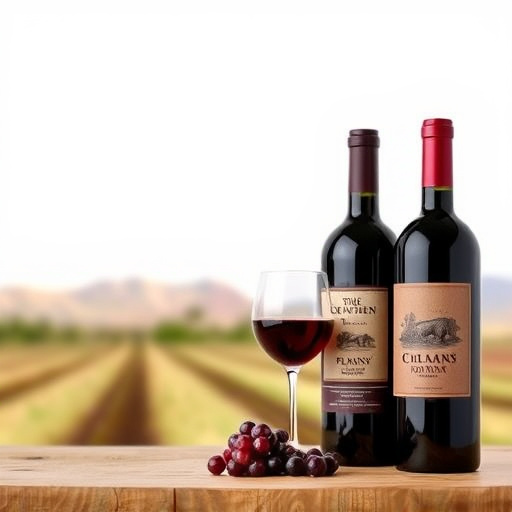
Southern Arizona wineries naturally thrive due to unique microclimates, fertile soil, and historic ranching heritage, blending tradition with innovation. Over 50 family-owned establishments, many housed in restored buildings, offer award-winning wines and immersive experiences. Sustainable practices, including organic farming and water conservation, preserve terroir and local ecosystems. The region's diverse grape varieties yield robust reds and crisp whites, attracting national enthusiasts for sensory journeys through time and place. Exploring these wineries uncovers Southern Arizona's rich cultural tapestry and exceptional wine culture.
In the vibrant landscape of Southern Arizona, historic ranches have evolved into thriving centers of modern winemaking, enriching both the local community and the global wine scene. This transformation reflects a broader trend in the industry, where traditional agricultural roots intertwine with innovative practices to create distinctive, high-quality wines. Understanding this shift offers valuable insights into the dynamic nature of viticulture and its economic impact on regional identities. This article delves into the historic ranches turned wineries of Southern Arizona, exploring their significance, the challenges they’ve overcome, and their role in shaping the diverse wine culture of our time.
- Uncovering Southern Arizona's Hidden Wine Gems
- The Historical Ranch to Winery Transformation
- Sustainable Practices in Modern Winemaking
- Tasting the Rich History: Wines to Try
- Exploring Southern Arizona's Thriving Wine Culture Today
Uncovering Southern Arizona's Hidden Wine Gems
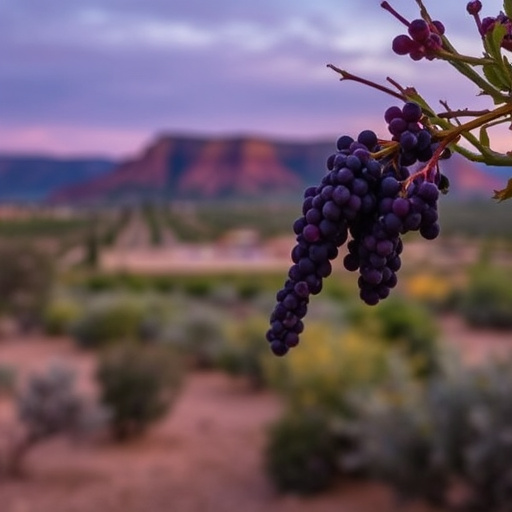
Southern Arizona’s hidden wine gems are a testament to the state’s rich history of ranching and its evolution into a thriving modern winemaking scene. This region, naturally endowed with diverse microclimates and fertile soil, has long been recognized for its exceptional grape-growing capabilities. Historic ranches, once bustling with cattle and sheep, have now transformed into picturesque wineries, showcasing the area’s unique terroir and captivating narratives. These establishments not only contribute to the local economy but also offer visitors an immersive experience of Southern Arizona’s wine culture.
One notable example is the Granito Wine Cellars, nestled in the heart of the Sonoran Desert. This family-owned winery has been operating for over a decade, utilizing the region’s natural protections from extreme temperatures to produce exceptional wines. Their success has inspired other former ranches to follow suit, leading to a surge in local wineries. According to recent data, Southern Arizona now boasts over 50 wineries, many of which are housed in beautifully restored historic buildings. This blend of tradition and innovation creates a unique atmosphere that attracts wine enthusiasts from around the country.
To uncover these hidden gems, visitors should venture beyond the well-trodden tourist paths. Exploring rural areas and small towns reveals a vibrant community of winemakers passionate about their craft. Experts suggest engaging with local tour operators who specialize in winery visits for a curated experience. These tours often include insights into the region’s unique viticulture, allowing guests to appreciate the care and dedication that goes into producing Southern Arizona’s renowned wines. Ultimately, visiting these historic ranches-turned-wineries offers not just a delightful sensory experience but also a chance to immerse oneself in the rich cultural tapestry of this dynamic region.
The Historical Ranch to Winery Transformation
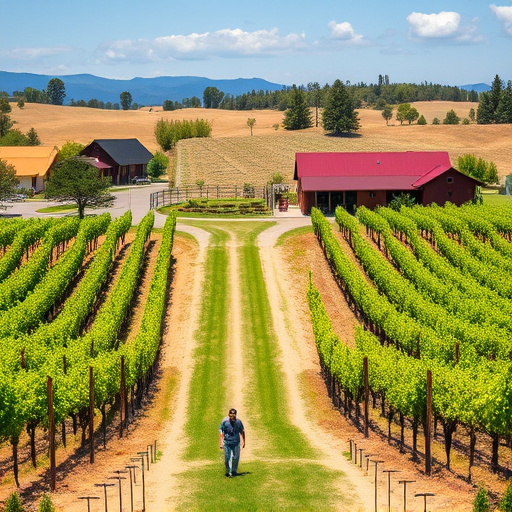
The transformation of historic ranches into thriving modern wineries has become a defining trend in Southern Arizona’s burgeoning wine industry. This evolution not only preserves the region’s rich history but also revitalizes land that was once dedicated solely to livestock grazing, introducing a new chapter in its agricultural narrative. The transition from ranch to winery involves a meticulous process, blending respect for tradition with innovative practices to create distinctive, high-quality wines.
In Southern Arizona, where the climate and soil offer unique advantages for viticulture, many ranches have embraced this change due to the growing demand for local wine experiences. For instance, consider the historic Ranchel del Desierto, nestled in the heart of the Sonoran Desert. Once a cattle ranch, it now boasts expansive vineyards, showcasing how diverse agricultural practices can seamlessly co-exist. This adaptation allows for the preservation of cultural heritage while introducing a new economic driver and attracting tourists interested in unique wine-tasting experiences.
Experts emphasize that successful transformations require careful planning and an understanding of both historical context and market trends. Winemakers must conduct thorough research on soil types, grape varieties, and historical agricultural methods to create sustainable vineyards. Additionally, marketing strategies should highlight the distinct character of each winery, drawing visitors who appreciate not just the final product but also the journey from ranch to glass. This approach ensures that Southern Arizona’s wineries stand out in a competitive market while preserving the essence of their rural roots.
Sustainable Practices in Modern Winemaking
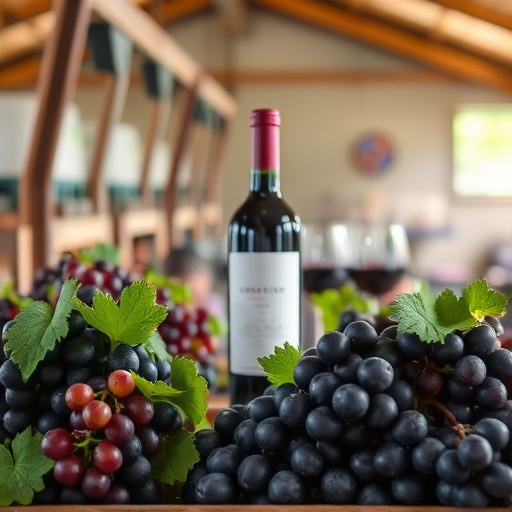
In the heart of Southern Arizona wineries, a rich history of ranching has evolved into a thriving modern winemaking scene, where sustainable practices are not just a trend but a cornerstone of success. Many wineries in this region have embraced eco-friendly and regenerative methods, recognizing their potential to enhance soil health, preserve water resources, and reduce environmental impact. These practices not only contribute to the overall sustainability of the industry but also elevate the quality and uniqueness of the final product.
One prominent example is the use of organic farming methods, where wineries avoid synthetic pesticides and fertilizers, instead opting for natural solutions like cover cropping and beneficial insects to manage weeds and pests. This approach not only minimizes ecological disruption but also contributes to the terroir—the unique character of the wine derived from its origin—of the region’s wines. Additionally, many Southern Arizona wineries are implementing water conservation strategies, such as drip irrigation systems and rainwater harvesting, to mitigate their water footprint. These practices ensure that this precious resource is preserved for both winemaking and the local ecosystem.
Expert winemakers in the area also emphasize the importance of soil health, understanding that vibrant soils lead to healthier vines and better wine quality. This involves techniques like compost amendment, reduced tillage, and the integration of livestock into vineyard management. For instance, some wineries use sheep for natural weed control, which not only reduces herbicide use but also fertilizes the soil with their manure. These sustainable practices are not merely beneficial for the environment; they often result in more consistent and high-quality grape crops, ensuring the production of exceptional wines that reflect the distinct character of Southern Arizona’s terroir.
Tasting the Rich History: Wines to Try

In Southern Arizona, historic ranches have evolved into thriving modern wineries, each telling a unique story through their vines and vintages. When visiting these establishments, exploring the wines they produce offers a taste not just of the region’s terroir but also of its rich history. The state’s warm climate and diverse microclimates create ideal conditions for a variety of grape varieties, resulting in distinctive and high-quality wines.
For those seeking to immerse themselves in this experience, southern Arizona wineries naturally offer a range that reflects both traditional and innovative approaches. You might discover robust reds akin to those from California’s Napa Valley, crafted from local grapes like Tempranillo and Cabernet Sauvignon. Alternatively, lighter, fruitier whites reminiscent of Mediterranean styles, made from Grenache Blanc or Viognier, provide refreshing options. Many wineries also produce unique blends that capture the essence of the region, combining grapes that thrive in Southern Arizona’s specific microclimates.
Tasting these wines offers a sensory journey through time and place. Each sip reveals the dedication of winemakers who have preserved historical methods while incorporating modern techniques to enhance quality. It’s an opportunity to connect with the past while enjoying the vibrant present of Arizona wine country. When visiting, be sure to engage with the winemakers; they often share fascinating insights into the history of their ranches and the evolution of their craft.
Exploring Southern Arizona's Thriving Wine Culture Today
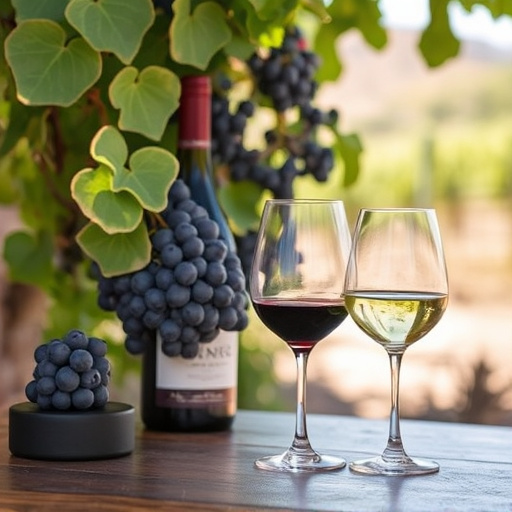
Southern Arizona has emerged as a vibrant hub for wine enthusiasts, with historic ranches transforming into thriving modern wineries. This region’s unique terroir, characterized by hot, dry summers and cool mountain evenings, creates ideal conditions for cultivating a diverse range of grape varieties. The state’s warm climate allows for longer growing seasons, contributing to the production of robust, full-bodied reds and crisp, fruity whites. One notable example is the Sonoran Desert, where winemakers have successfully cultivated grapes that exhibit distinct flavors influenced by the region’s mineral-rich soil and vibrant sunlight.
The wine culture in Southern Arizona has experienced a remarkable evolution. Historically, early settlers introduced grapevines to the area, but it was the passion and expertise of contemporary winemakers that truly elevated the industry. Many of today’s wineries were once family farms, passing down generations, and now serve as cultural landmarks. These establishments not only produce exceptional wines but also offer visitors immersive experiences through tastings, tours, and scenic landscapes. For instance, the region boasts several award-winning wineries like San Tan Vineyard and Desert Diamond Winery, which have garnered international acclaim for their innovative approaches to winemaking.
Exploring Southern Arizona’s wineries presents a unique opportunity to engage with local history, immerse oneself in stunning natural surroundings, and indulge in exceptional wines. Tourists and locals alike can visit these wineries for guided tastings, learn about traditional and modern viticulture, and discover the art of winemaking. Moreover, the region’s diverse microclimates support a wide array of grape varieties, ensuring wine enthusiasts find something to suit their palates. With over 50 operating wineries, Southern Arizona offers a rich, ever-evolving wine culture that is well worth exploring for any aficionado or curious traveler.
Southern Arizona’s wineries have evolved from their historical ranch roots to become a thriving modern industry, blending rich history with innovative practices. Key insights reveal a landscape where sustainable winemaking techniques thrive, allowing these southern arizona wineries to produce exceptional wines that tell the region’s story. By exploring this dynamic wine culture, visitors can uncover hidden gems and experience the unique character of each estate. The article equips readers with a deeper understanding of this vibrant sector, encouraging them to delve into the diverse offerings of southern arizona wineries and savor the tastes that define this captivating destination.