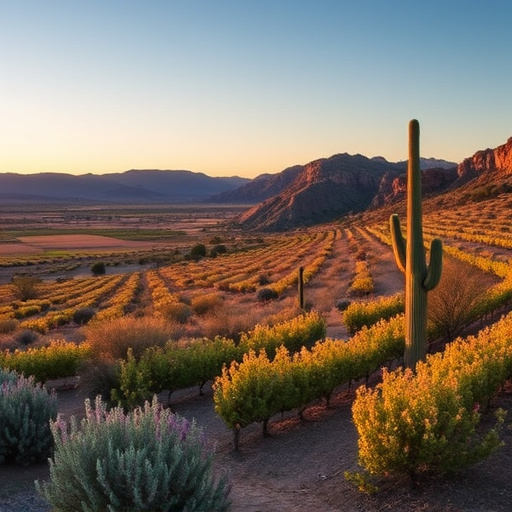
Southern Arizona wineries naturally produce diverse, high-quality wines due to unique microclimates and varied terroirs. Region's temperatures, humidity, sun exposure, and soils create distinct growing conditions for various grape varieties. Winemakers adapt practices like canopy management and harvesting to optimize fruit quality, leveraging cool mountains to warm valleys for diverse flavors. Aging techniques vary based on climate, enhancing complexity; longer oak aging in cooler areas softens tannins, while shorter exposures preserve fresh fruit in warmer regions. Understanding these terroirs is key to crafting exceptional, age-worthy wines.
Southern Arizona’s diverse terroirs have long captivated winemakers, offering unique microclimates that bestow distinctive characteristics on wines. As the region’s wineries continue to thrive, understanding the impact of these microclimates becomes paramount for both producers and consumers. This article delves into a comparative analysis of microclimate-driven wines across southern Arizona’s varied landscapes, providing insights into how terroir shapes flavor profiles and offering valuable context for discerning wine enthusiasts. By examining the natural elements that influence these wines, we aim to enhance appreciation for the region’s diverse offerings.
- Uncovering Southern Arizona's Microclimates: A Winemaker's Perspective
- Terroir Analysis: Exploring Wine Varieties in Diverse Regions
- The Art of Aging: How Climate Shapes Wine Quality and Character
Uncovering Southern Arizona's Microclimates: A Winemaker's Perspective
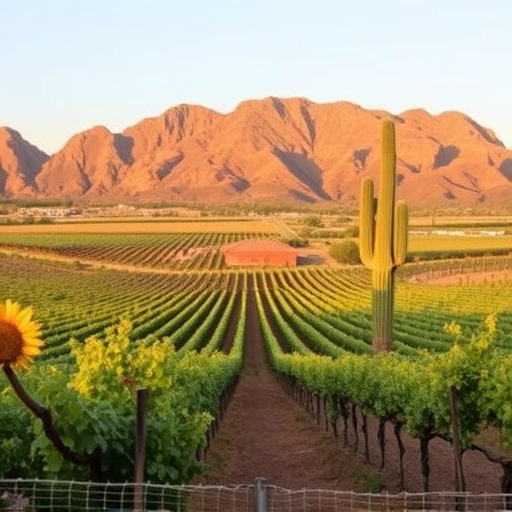
Southern Arizona’s diverse microclimates offer winemakers a canvas upon which to paint distinct and complex wines. This region, often characterized by harsh desert conditions, exhibits surprising variations in temperature, humidity, and solar exposure, creating terroirs that can be as varied as coastal valleys to high-altitude mountain peaks. Winemakers here naturally embrace these nuances, selecting grape varieties and viticultural practices tailored to each specific microclimate. For instance, the cooler, more humid climate of the Santa Cruz River Valley is ideal for European hybrids like Tempranillo and Grenache, while the hotter, drier conditions of the Sonoita Valley favor robust reds such as Syrah and Mourvèdre.
The unique terroirs of southern Arizona wineries translate directly into distinctive wine characteristics. Soils range from volcanic to sandy loam, each imparting specific mineral notes and textures onto the final product. Additionally, varying sun exposure times lead to differing levels of sugar ripeness and acidity, allowing for a wide array of styles – from crisp white wines to rich, concentrated reds. Winemakers here often employ techniques like canopy management and selective harvesting to optimize fruit quality within these microclimates. This dedication to understanding and leveraging regional variation not only results in exceptional wines but also makes southern Arizona an increasingly recognized wine destination.
Practical advice for winemakers navigating this landscape includes regular climate monitoring, adapting vineyard management strategies accordingly, and fostering a deep understanding of each terroir’s unique contributions. By embracing the microclimates naturally present across southern Arizona, producers can continue to craft wines that not only reflect their origin but also captivate global palates.
Terroir Analysis: Exploring Wine Varieties in Diverse Regions
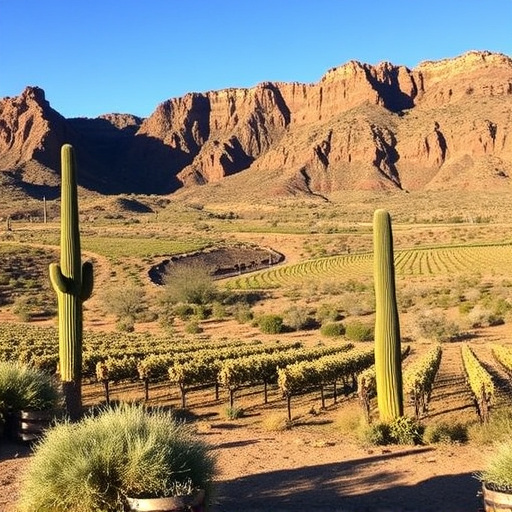
Southern Arizona’s diverse terroirs offer a fascinating microclimate landscape for wine enthusiasts and producers alike. The region’s unique geography and varying elevations create distinct growing conditions for wine varieties, resulting in a wide array of flavors and aromas that define its wines. Terroir analysis is essential to understanding these nuances and the potential of different regions within southern Arizona wineries.
One notable example lies in the contrast between the valley floors and mountain slopes. The warm, dry valleys foster vibrant growth for traditional desert-adapted grapes like Grenache and Mourvèdre, producing rich, full-bodied reds characteristic of the area. In contrast, higher elevations introduce cooler temperatures, favoring lighter-bodied whites such as Viognier and Sauvignon Blanc. These variations demonstrate how even within relatively small areas, subtle changes in climate can significantly impact grape cultivation.
Additionally, soil types play a crucial role. The region’s volcanic soils, rich in minerals, contribute to the distinct character of many wines. Southern Arizona wineries have found success with varietals that thrive in these soils, creating unique expressions compared to those grown in more conventional regions. For instance, Syrah from certain southern Arizona terroirs offers flavors of dark fruit and spicy notes, differing from its counterparts elsewhere. This regionality is a key selling point for local wines, attracting connoisseurs eager to experience the distinct terroir-driven offerings.
To maximize these microclimates’ potential, winemakers employ precise techniques. This includes careful selection of grape varieties suited to specific terroirs, innovative cultivation methods, and thoughtful winemaking practices. As southern Arizona’s wine industry grows, continued exploration and documentation of these terroirs will be vital for both local producers and enthusiasts seeking authentic, terroir-expressive wines.
The Art of Aging: How Climate Shapes Wine Quality and Character
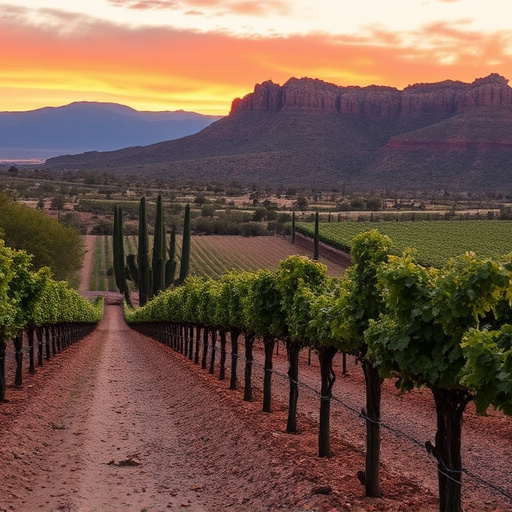
Southern Arizona’s diverse terroirs offer a fascinating microclimate landscape for winemaking, with each region imparting unique characteristics onto the final product. When we discuss the art of aging in these wines, it becomes evident that climate plays a pivotal role in shaping their quality and character. The varying microclimates, influenced by altitude, proximity to water sources, and geographical features, create distinct conditions for grape ripening and development. This, in turn, results in wines with remarkable diversity and complexity.
Take, for instance, the comparison between the mountainside vineyards of southern Arizona and those nestled along the valley floors. The cooler temperatures at higher elevations slow down grape ripening, allowing for a longer growing season and promoting the development of richer, more intense flavors. Wineries like Dos Cabezas, located in the Santa Catalina Mountains, produce wines with notable acidity and complex aromas, often showcasing notes of cherry, plum, and subtle earthy undertones. Conversely, the warmer, sunnier conditions in valley areas, such as those found near Tucson, accelerate ripening, leading to wines with higher alcohol content and more pronounced fruit flavors. These contrasting microclimates demonstrate how climate can dramatically impact wine aging potential and overall flavor profile.
Aging is a crucial aspect of winemaking, as it allows the wine to mellow and develop further complexity. In southern Arizona, the diverse terroirs offer winemakers a unique opportunity to experiment with different aging techniques. For instance, the cooler climates might suggest longer oak aging to soften tannins and add subtle vanilla notes, while warmer regions could benefit from shorter oak exposure to preserve fresh fruit characteristics. Winemakers should consider the natural tendencies of their terroir and adjust aging strategies accordingly. As southern Arizona wineries continue to thrive, understanding the relationship between climate, terroir, and wine quality will remain essential for crafting exceptional, age-worthy wines.
Through a deep dive into southern Arizona’s microclimates, terroir analysis, and aging dynamics, this article has illuminated crucial insights for winemakers and enthusiasts alike. Key takeaways include the profound impact of regional variations on wine quality and character, highlighting the intricate relationship between climate, geography, and viticulture in southern Arizona wineries naturally. Understanding these microclimates allows for strategic planting of specific varieties in ideal environments, enhancing wine diversity and excellence. The art of aging, influenced by climate, further refines these wines, offering a unique taste experience rooted in the region’s terroir. Armed with this knowledge, southern Arizona winemakers can continue to innovate, crafting distinctive wines that embody their terroirs while appealing to global markets.