Southern Arizona wineries naturally thrive due to diverse microclimates shaped by geography. These conditions vary from desert heat to cooler elevations, influencing grape varieties and wine styles. Winemakers adapt practices like canopy management and irrigation to express each terroir, resulting in a range from bold desert blends to complex reds. This unique landscape fosters high-quality wines, with key wineries showcasing these terroirs. Understanding microclimates guides sustainable practices crucial for future vintages.
The terroir of southern Arizona has long captivated wine enthusiasts and producers alike, with its unique microclimates offering a diverse range of conditions for grape cultivation. This region’s wineries naturally thrive in these varied environments, crafting wines that bear distinct characteristics reflective of their origin. However, comparing and contrasting these microclimate-driven wines across different terroirs remains a complex challenge. In this authoritative exploration, we delve into the intricate dance between geography, climate, and viticulture that shapes the diverse wine offerings of southern Arizona, providing valuable insights for both industry professionals and connoisseurs.
- Uncovering Southern Arizona's Diverse Microclimates for Wine Production
- The Role of Terrain: Shaping Terroir in Southern Arizona Winelands
- Natural Conditions: How Climate Impacts Wine Characteristics Locally
- Case Studies: Top Southern Arizona Wineries and Their Unique Wines
- Tasting the Landscape: Deciphering Terroir through Wine Sensory Analysis
- Sustainable Practices: Protecting and Enhancing Microclimates for Future Vintages
Uncovering Southern Arizona's Diverse Microclimates for Wine Production
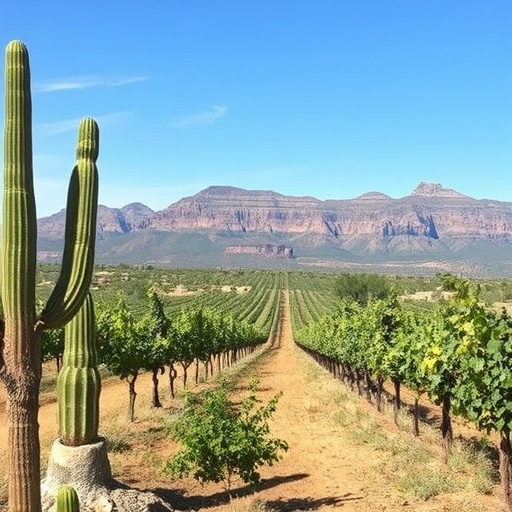
Southern Arizona’s wine country is a testament to the diverse microclimates that thrive across its terroirs, offering a unique landscape for viticulture. The state’s southern regions, in particular, showcase a remarkable range of climatic conditions that significantly influence the character and quality of local wines. From the desert heat of Yuma to the cooler elevations of Tucson, each area experiences distinct temperature variations, sunlight exposure, and wind patterns, all contributing to the final flavor profiles of the grapes they yield. This natural diversity presents a fascinating challenge and opportunity for southern Arizona wineries, encouraging innovative practices tailored to these unique environments.
The state’s microclimates are shaped by its geographical features, including mountains, valleys, and desert terrain. For instance, the Sonoran Desert’s scorching summers and mild winters create ideal conditions for heat-loving grape varieties like Tempranillo and Grenache, which flourish in Yuma and Dateland. In contrast, higher elevations like those found near Tucson experience more moderate temperatures, fostering the growth of varietals such as Zinfandel and Sangiovese, known for their robust flavors. The diverse soil types across these terroirs further enhance the wines’ distinctiveness, with some regions boasting well-draining sandy soils suitable for Cabernet Sauvignon, while others support deeper, richer loams ideal for Syrah.
Understanding and harnessing these microclimates is key to the success of southern Arizona wineries. Vineyard managers and winemakers employ precise techniques to adapt their practices to each terroir. This may include canopy management to control sunlight exposure, strategic irrigation to mitigate extreme temperatures, and careful selection of grape varieties suited to the specific conditions. As a result, wine enthusiasts can expect a diverse range of offerings, from bold, fruit-forward desert wines to elegant, complex expressions from the cooler elevations. By embracing these microclimates, southern Arizona continues to establish itself as a unique and compelling wine-producing region on the national stage.
The Role of Terrain: Shaping Terroir in Southern Arizona Winelands
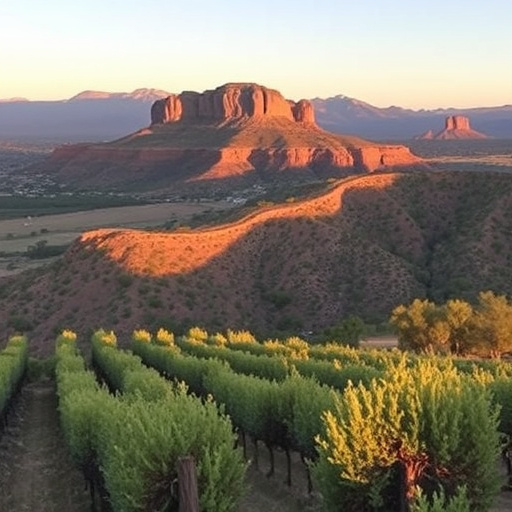
The diverse terrain of southern Arizona plays a pivotal role in shaping the unique microclimates and terroirs that define its wineries. This region’s winelands stretch across varied landscapes, from rugged mountains to vast deserts, each contributing distinct characteristics to the grapes grown and wines produced. The elevation, aspect, and topography interact with the region’s arid climate to create localized conditions that influence grape ripening and flavor development. For instance, higher elevations in areas like the Santa Catalina Mountains provide cooler temperatures, delaying grape maturity and preserving acidity, while lower-lying regions closer to the Mexico border experience intense heat, resulting in richer, fuller-bodied wines.
Topographical features also direct sunlight and wind patterns, further enhancing regional variations. Southern Arizona’s wineries naturally benefit from these microclimates, allowing for a wide array of grape varieties to thrive. The cooler, more temperate slopes support classic European varietals like Cabernet Sauvignon and Chardonnay, while the warmer, drier valleys are ideal for native Arizona grapes such as Grenache and Mourvèdre. These differing terroirs foster remarkable diversity in wine styles, from crisp, vibrant whites to rich, aromatic reds.
Understanding the terrain is crucial for winemakers in southern Arizona. They employ practices like strategic vineyard placement, careful pruning, and canopy management to optimize grape exposure to sunlight and weather conditions. This nuanced approach ensures that each vineyard block expresses its unique terroir, leading to wines of exceptional character and quality. As a result, southern Arizona continues to gain recognition as a dynamic wine region, where the landscape itself becomes an integral part of the winemaking art.
Natural Conditions: How Climate Impacts Wine Characteristics Locally
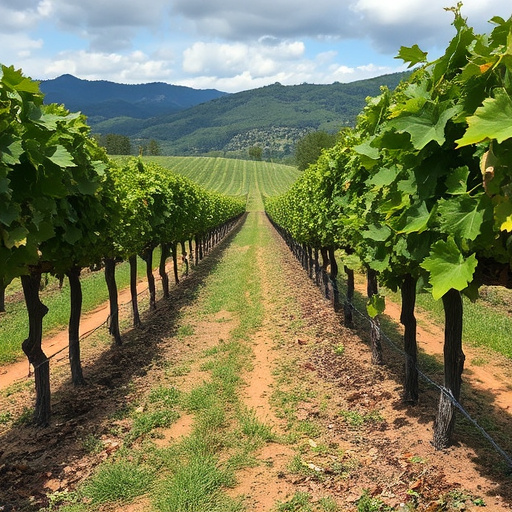
Southern Arizona’s diverse terroirs showcase the intricate relationship between natural conditions and wine characteristics. The region’s unique microclimates, shaped by factors like elevation, geography, and nearby bodies of water, profoundly influence grape growing and the subsequent flavor profiles of local wines. For instance, southern Arizona wineries nestled in higher elevations, such as those in the Santa Catalina Mountains, benefit from cooler temperatures and increased sunlight intensity during specific seasons, resulting in grapes with higher acidity and distinct mineral notes. This is notably evident in the crisp, refreshing white wines produced from these terroirs.
In contrast, lower-lying areas like the Sonoran Desert present a vastly different picture. Here, intense summer heat and reduced wind patterns can lead to concentrated sugar levels in the grapes, contributing to richer, fuller-bodied red wines. The region’s microclimates also encourage diversity in grape varieties, with some vineyards experiencing slightly cooler nights that aid in slowing ripening, while others bask in prolonged sunlight, enhancing cane development and grape maturity. This local variation not only adds complexity to southern Arizona’s wine offerings but also underscores the need for winemakers to understand and respect their terroirs.
Practical insights for southern Arizona wineries naturally include leveraging microclimates to guide planting decisions and vineyard management practices. Winemakers can further enhance terroir-driven wines by employing techniques like canopy management to control sun exposure and fruit maturity, as well as selecting grape varieties suited to specific microclimates. Understanding these natural conditions and their impact is crucial for crafting wines that truly reflect the unique character of southern Arizona’s terroirs.
Case Studies: Top Southern Arizona Wineries and Their Unique Wines
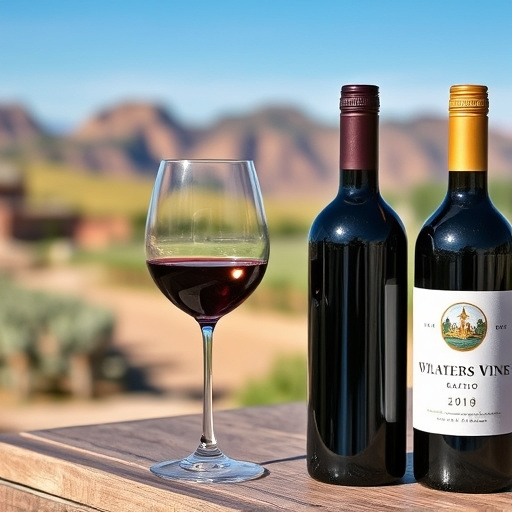
Southern Arizona’s diverse terroirs have fostered a unique microclimate for winemaking, resulting in a range of distinctive wines that reflect their specific origins. Case studies of top southern Arizona wineries highlight this phenomenon. For instance, San Tan Vineyards, nestled in the scenic Santa Cruz Valley, benefits from warm days and cool nights, producing elegant, fruit-forward reds and crisp white wines with notable acidity. In contrast, the higher elevations of Elan Wine Cellars near Bisbee offer cooler temperatures, leading to complex, age-worthy Cabernet Sauvignons and Syrahs with rich flavors and firm tannins.
Another standout winery, Sonoran Farms Vineyard & Winery, operates in the fertile soil of the Marana uplands, where their sustainable practices align with the region’s arid climate. Their portfolio includes robust red blends and aromatic white wines, showcasing the terroir’s impact on flavor profiles. These examples illustrate how southern Arizona wineries naturally capitalize on microclimates to craft diverse, high-quality wines that capture the unique essence of each vineyard.
Winery enthusiasts can explore these distinct wine styles by visiting these establishments, experiencing firsthand the terroir’s influence. Tasting rooms often offer insights into the vinification processes tailored to each site, providing an educational and delightful experience for both novice and connoisseur alike. This exploration not only satisfies taste buds but also deepens understanding of the intricate relationship between place and wine.
Tasting the Landscape: Deciphering Terroir through Wine Sensory Analysis
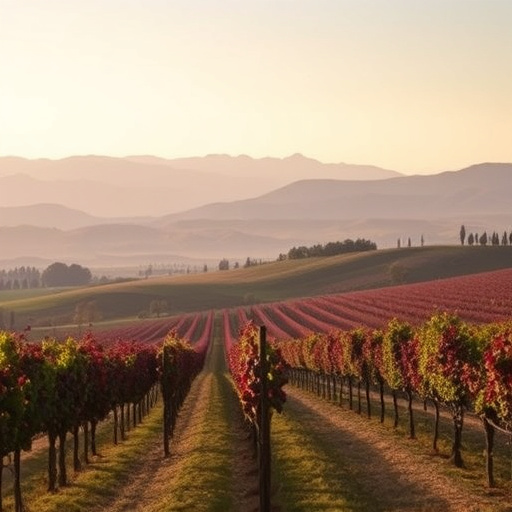
Tasting the landscape offers a unique lens to understand the intricate relationship between wine and its origin—a concept known as terroir. In southern Arizona, where diverse microclimates and varied terroirs coexist, winemakers have embraced these natural variations to craft distinctive wines that tell the story of their specific regions. This sensory exploration delves into the art of deciphering terroir through wine analysis, highlighting how each microclimate contributes to the unique characteristics of the grapes and, ultimately, the finished product.
Consider the contrast between the cooler slopes of the Santa Catalina Mountains and the warmer floors of the Tucson Basin. These contrasting terroirs result in distinct grape profiles; for instance, the higher altitudes foster slower ripening with lower sugar levels, contributing to crisp white wines with vibrant acidity. Conversely, the lower elevations produce fuller-bodied reds with richer flavors, as the slightly longer growing season allows for more sugar accumulation. Southern Arizona wineries naturally embrace these differences, creating a diverse range of wines that reflect their unique terroirs. Sensory analysis becomes a powerful tool for both winemakers and enthusiasts to unravel these stories hidden within each glass, identifying specific sensory attributes associated with particular microclimates.
By examining aroma, taste, and mouthfeel, wine experts can detect subtle nuances that reveal the terroir’s influence. For example, a Sauvignon Blanc from the cooler mountains might exhibit intense citrus and herbal aromas, while a red from the warmer basin could showcase dark fruit flavors and soft tannins. These sensory cues not only provide insights into winemaking practices but also encourage a deeper appreciation for the land and its impact on wine quality. Additionally, understanding terroirs helps winemakers make informed decisions regarding grape varieties, planting densities, and vineyard management techniques, ultimately shaping the future of southern Arizona’s renowned wine industry.
Sustainable Practices: Protecting and Enhancing Microclimates for Future Vintages
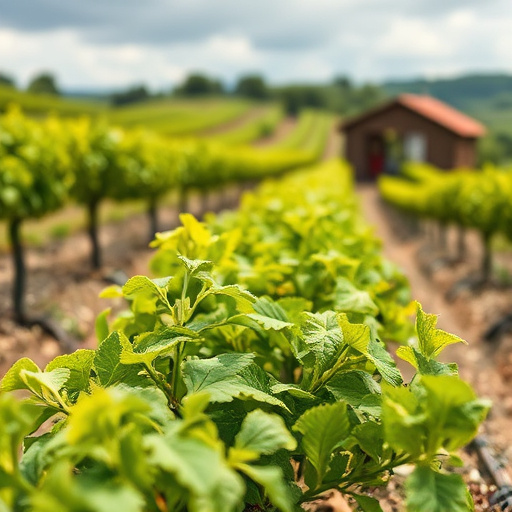
Southern Arizona’s diverse terroirs, shaped by unique microclimates, offer winemakers a remarkable canvas to craft distinctive wines. As the region’s wineries continue to thrive, adopting sustainable practices becomes paramount to protect these delicate environments for future vintages. By embracing ecological stewardship, producers can ensure the longevity of exceptional wine styles that define southern Arizona’s viticultural identity.
One key aspect of sustainable viticulture in this region is understanding and harnessing microclimates. Southern Arizona wineries naturally experience varying temperatures, sun exposure, and wind patterns across different elevations and geographic locations. For instance, the high-altitude valleys like El Dorado Canyon offer cooler climates ideal for cultivating Bordeaux varietals, while lower-lying areas near the Mexico border bask in intense sunshine, fostering the growth of robust, full-bodied reds akin to those found in warmer regions. By recognizing these microclimates, winemakers can make informed decisions regarding grape variety selection, planting density, and canopy management.
Implementing sustainable practices requires a holistic approach. Farmers can employ techniques such as organic farming methods, minimizing chemical use, and promoting biodiversity to support the ecosystem’s natural balance. For instance, introducing beneficial insects and birds helps control pest populations without resorting to harmful pesticides. Additionally, precision irrigation systems allow for targeted water application, conserving this precious resource while ensuring grapevines receive adequate hydration. These practices not only protect the environment but also enhance wine quality by fostering healthier, more resilient vines.
Long-term data from southern Arizona wineries showcases the positive impact of sustainable methods. Studies indicate that organic and biodynamic farms consistently produce wines with enhanced flavor complexity and lower levels of residual pesticides. Moreover, these practices contribute to soil health, increasing its ability to retain water and nutrients, which is crucial in a region prone to drought conditions. As climate change continues to present challenges, winemakers who prioritize sustainability will be better equipped to navigate shifting microclimates and ensure the continued excellence of their terroir-driven wines.
Through a comprehensive exploration of southern Arizona’s diverse microclimates, terrain dynamics, and natural conditions, this article has illuminated the intricate relationship between terroir and wine quality in the region. By delving into case studies of top southern Arizona wineries and employing sensory analysis, we’ve uncovered distinct characteristics tied to specific terroirs. Furthermore, the focus on sustainable practices underscores the industry’s commitment to preserving and enhancing these delicate microclimates for future vintages, ensuring that southern Arizona wineries naturally continue to thrive and produce exceptional wines. Key takeaways include the importance of terrain in shaping terroir, the impact of local climate conditions on wine characteristics, and the value of sensory analysis in deciphering terroirs. Readers now possess a deep understanding of the intricate factors contributing to the unique wines from this vibrant region.