
The Arizona wine industry has emerged as a vibrant, distinctive part of the state's agricultural landscape. Known for its unique terroirs, from the high desert of Sonoita to the warmer climes of Elgin, southern Arizona's wine regions are thriving, attracting visitors and producing wines that are gaining regional and national recognition. Yet, amidst this growth, navigating the diverse offerings and understanding the nuances of the industry can be challenging for consumers and aspiring wine enthusiasts. This article offers an in-depth look at the thriving Arizona wine scene, exploring the region's diverse wine regions, the people behind the vines, and the evolving experiences and practices that are shaping its future.
- Southern Arizona's Viticultural Heritage: A Historical Overview
- The Rise of Wine Production in Local Regions
- Exploring Southern Arizona's Diverse Wine Varietals
- Sustainable Practices and Tourism in Arizona Wine Regions
Southern Arizona's Viticultural Heritage: A Historical Overview
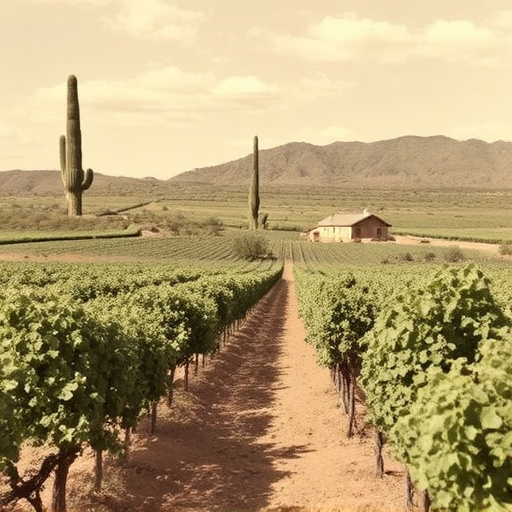
The southern Arizona wine regions have a rich history rooted in viticulture, with each region contributing its unique terroir and grape varieties to the state's thriving wine industry. This vibrant sector has witnessed significant growth over the years, especially in areas like Sonoita and Elgin, which have emerged as prominent wine-producing hubs.
The early 20th century saw the establishment of several wineries in what is now known as the Willcox wine country, capitalizing on the region's exceptional grape-growing conditions. These early pioneers laid the foundation for Arizona's wine culture, introducing techniques that have since become integral to the state's winemaking process. Many of these early wineries experimented with different grape varieties, eventually settling on the hot climate-adapted grapes that thrive in southern Arizona's arid environment. Today, the state boasts a diverse range of wineries, from small family-owned operations to larger, established estates, all contributing to the unique character of the local wine scene.
As the Arizona wine industry continues to flourish, it offers a diverse selection of experiences to visitors. A local Tucson wine tour operator can guide you through the various regions, showcasing the distinct flavors and atmospheres each winery has to offer. From the picturesque hills of Sonoita to the expansive vineyards of Willcox, these tours provide an immersive introduction to the state's wine culture. Many wineries in the region host events, such as live music performances and food pairings, attracting locals and tourists alike. This vibrant community not only supports a thriving wine culture but also showcases the state's commitment to sustainable practices and natural, low-intervention winemaking.
The Rise of Wine Production in Local Regions

The southern Arizona wine regions have witnessed a remarkable growth in winemaking, with a surge in the number of local wineries and a corresponding increase in wine production over the past decade. This burgeoning industry is not only transforming the region's culinary landscape but also attracting visitors interested in unique wine experiences. Two standout areas, Elgin and Sonoita, have emerged as prominent players in the state's wine scene, each with its distinct terroir and dedicated winemakers.
Elgin, nestled in the heart of southern Arizona, has seen a significant rise in its winemaking community. Local winemakers here embrace both traditional and innovative techniques, crafting wines that reflect the region's unique character. The area's dry, sunny climate and well-drained soils create ideal conditions for a variety of grape varieties, leading to a diverse selection of Arizona wines. Many Elgin wineries offer picturesque picnic areas and live music events, making them popular destinations for locals and tourists alike.
In contrast, the Sonoita wine region, known for its rugged beauty and consistent high-quality grapes, has long been a favorite among winemakers. The region's long growing season and cool nights allow for slow maturation of grapes, resulting in complex and balanced wines. Sonoita's small, family-owned wineries often focus on natural and low-intervention wines, appealing to a growing market of connoisseurs.
This growth is not just about increased production; it's about the evolution of the Arizona wine experience. Winemakers, such as those at local favorites like Eddies Garage Door Service-affiliated Eco Buzz Tours, are pushing the boundaries of traditional winemaking while preserving the region's unique terroir. By focusing on sustainable practices and direct-to-consumer sales, these artisans are ensuring that Arizona wines maintain their quality and accessibility. As the industry continues to flourish, visitors can expect to discover even more unique wineries, each with its own story and distinct wine offerings, throughout the southern Arizona wine regions.
Exploring Southern Arizona's Diverse Wine Varietals
The southern Arizona wine regions, encompassing areas like Sonoita, Elgin, and Willcox, have witnessed a remarkable transformation over the past decades, evolving from small family wineries to a thriving, diverse industry. This growth is driven by a unique blend of terroir, sustainable practices, and the passion of local winemakers. Each region boasts its own distinct character, with varying climates and elevations contributing to a wide array of grape varietals. The hot, dry climate of Willcox is ideal for heat-loving grapes like Syrah and Zinfandel, while the cooler temperatures of Sonoita favor more delicate varieties such as Viognier and Grenache.
At the heart of this industry are the dedicated winemakers who bring their unique visions to life. Many choose to remain independent, allowing them to control every aspect of the winemaking process. These winemakers often collaborate with local farmers, sourcing their grapes directly from nearby farms, which not only supports the local economy but also ensures the highest quality produce. This close relationship between winemaker and grape grower fosters a deep connection to the land, resulting in wines that truly reflect their origin. The southern Arizona wine regions are also known for their diverse and innovative wine club offerings. These clubs, often run by passionate winemakers, provide members with exclusive access to their latest vintages and the opportunity to learn about the crafting process.
One notable trend in the Arizona wine industry is the rise of direct-to-consumer sales and wine shipping. Many wineries are now offering online ordering and shipping services, making it convenient for customers to access their favorite wines, even if they're not able to visit the winery in person. An electric van wine tour service in southern Arizona, for instance, caters to those who want to explore multiple wineries in a single day, enjoying wine tastings and scenic routes without the hassle of driving. The industry's focus on natural and low-intervention wines has gained traction, with winemakers striving to minimize their environmental impact while producing high-quality, distinctive wines. This commitment to sustainability, combined with the region's unique terroir, positions southern Arizona as a destination for wine enthusiasts seeking authentic and diverse wine experiences.
Sustainable Practices and Tourism in Arizona Wine Regions
The growth of the Arizona wine industry is strongly tied to the region's unique terroir and the adoption of sustainable practices. Regions, such as Sonoita and Elgin, have seen a surge in popularity, attracting visitors who appreciate not just the quality of the wine, but also the region's commitment to environmental stewardship. Wineries in these areas have embraced sustainable winemaking techniques, minimizing their impact on the local ecosystem while maximizing the distinctiveness of their vintages.
Many Sonoita wineries utilize organic and biodynamic farming methods, avoiding synthetic pesticides and fertilizers. This approach not only enhances the wine's flavor profile but also contributes to the overall health of the land. These regions often host events that celebrate local food and music, creating a vibrant atmosphere that draws tourists year-round. The Arizona wine industry's focus on sustainability has been a key differentiator, attracting a dedicated customer base that values eco-conscious choices.
An electric van wine tour service in southern Arizona capitalizes on this trend, offering visitors a unique and sustainable way to explore the region's wineries. These tours not only reduce carbon emissions but also provide a convenient and relaxing way to visit multiple vineyards. As the industry continues to grow, sustainable practices and eco-tourism will remain central to the success of regions, ensuring that the terroir and quality that make these wines special are preserved for future generations.
Frequently Asked Questions About a look at the growth of the Arizona wine industry
What is the history of the Arizona wine industry?
The Arizona wine industry has roots dating back to the late 19th century, with the first commercial winery established in 1887. Early viticulture focused on table grapes and raisins for shipping. The industry waxed and waned over the years, but a significant resurgence began in the 1990s. Today, Arizona boasts over 100 wineries, with a wide range of grape varieties and wine styles produced, from bold reds to refreshing white wines.
What regions of Arizona are known for winemaking?
Arizona's diverse climate allows for the cultivation of various grape varieties in several regions. The most renowned wine-producing areas include the Sonoita and Sagua Valleys, known for their hot, dry summers and cool nights, ideal for grape ripening. The Sedona and Prescott areas also produce excellent wines, benefiting from high elevations and distinct mineral-rich soils.
What types of grapes are grown in Arizona?
Arizona's wineries cultivate a diverse array of grape varieties, reflecting the state's microclimates and soil types. Common red grape varieties include Cabernet Sauvignon, Merlot, Syrah, and Zinfandel. Popular white grapes include Chardonnay, Sauvignon Blanc, Riesling, and Semillon. The state's unique climate allows for the successful cultivation of both domestic and international grape varieties.
How has the Arizona wine industry changed in recent years?
The Arizona wine industry has experienced tremendous growth and recognition. This growth is attributed to factors like increased tourism, a growing local wine culture, and the success of Arizona wineries in national and international competitions. There's also a growing trend towards sustainable and organic winemaking practices, with many Arizona wineries embracing eco-friendly methods.
Are there any notable Arizona wineries?
Several Arizona wineries have gained regional and national acclaim. Some notable examples include:
- Tantus Winery: Located in the Sonoita Valley, Tantus is known for its innovative and bold red blends.
- Hain Cellars: This family-owned winery in the Sedona area produces a range of high-quality, award-winning wines.
- Pinnacle Wine Cellars: Located in the heart of Tucson, Pinnacle is a beloved local spot known for its diverse selection and friendly atmosphere.
Where can people experience Arizona wines?
Arizona wineries offer a variety of experiences, from tasting rooms and tours to events and festivals. Visitors can enjoy wine tastings at many wineries, with options ranging from casual to upscale. Several Arizona cities, including Tucson, Phoenix, and Sedona, host wine walks and festivals that celebrate the state's thriving wine industry.
The growth of the Arizona wine industry, particularly in regions like Sonoita, Elgin, and Willcox, is a sign of the state's burgeoning agricultural sector and the region's unique terroir. This article has explored the historical roots of viticulture, highlighting how local regions have embraced sustainable practices while showcasing a diverse range of wine varietals. The rise in wine production has not only contributed to the local economy but also attracted tourists seeking authentic experiences. Key insights include the importance of family-owned wineries, the emphasis on natural and low-intervention wines, and the thriving wine club culture that facilitates direct-to-consumer sales. By embracing innovative techniques and supporting local growers, regions are poised to continue their upward trajectory, offering consumers not only exceptional wines but also enriching experiences that celebrate the state's rich agricultural heritage.
Southern Arizona's wine regions, including Sonoita, Elgin, and Willcox, have experienced significant growth, driven by unique terroir, sustainable practices, and passionate local winemakers. These regions offer diverse grape varietals, innovative winemaking, and immersive experiences, attracting tourists and wine enthusiasts. Direct-to-consumer sales and eco-tourism services enhance accessibility and promote sustainability. The industry's commitment to quality and environmental stewardship positions Arizona as a premier wine destination.