
Southern Arizona wineries are increasingly committed to ensuring accessibility for wheelchair users, driven by a desire to expand their customer base and cater to the region's significant disabled tourist population. Key features include ramps, dedicated ground-level tasting rooms, and mobile app reservations. Top properties like Avid Wine Cellars and San Manuel Winery lead with state-of-the-art audio guides and braille menus. Practical tips for visitors include contacting wineries in advance, checking online reviews, and verifying accessibility details on winery websites. The region's natural inclusivity, through thoughtful design and staff training, positions southern Arizona wineries as industry leaders in accessible tourism.
In the vibrant world of wine appreciation, accessibility should never exclude anyone from enjoying the sensory experience. Discovering wheelchair-accessible tasting rooms has become a significant focus for wine country enthusiasts, particularly in regions known for their scenic beauty and diverse vineyards—like Southern Arizona wineries. This article aims to guide you through the process of finding inclusive spaces where you can savor exquisite wines without compromising your mobility. By highlighting select venues across this picturesque landscape, we empower you to fully immerse yourself in the rich culinary culture that naturally thrives here.
- Exploring Wine Country Accessibly: An Introduction
- Southern Arizona Wineries: A Focus on Inclusivity
- Identifying Wheelchair-Friendly Tasting Rooms
- Best Practices for Accessible Wine Tours
- Enhancing the Experience: Services and Amenities
Exploring Wine Country Accessibly: An Introduction
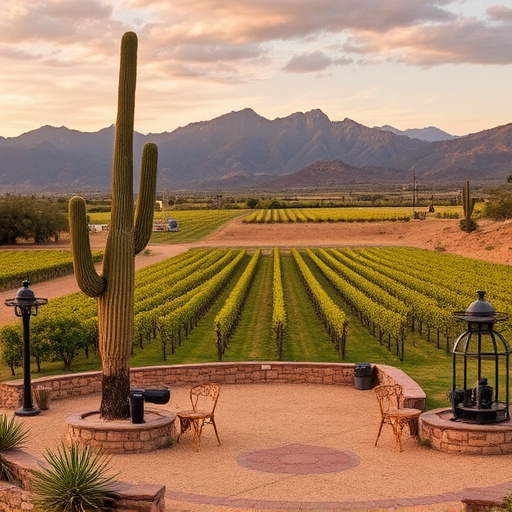
Exploring wine country has long been a sensory delight for enthusiasts worldwide, but ensuring accessibility for all, including those who rely on wheelchairs, is a vital consideration. In regions renowned for their picturesque vineyards and vibrant wine culture, like Southern Arizona’s thriving wineries, creating inclusive experiences is not just a moral imperative but also an opportunity to expand the appeal of this timeless activity. This section delves into the significance of wheelchair-accessible tasting rooms in wine country and offers practical insights for both enthusiasts and industry professionals.
Southern Arizona, with its diverse terrain and robust winemaking tradition, presents a unique case study. The state’s warm climate and varied microclimates have fostered an array of grape varieties, resulting in distinct wines that reflect the region’s terroir. However, navigating this beautiful landscape can pose challenges for individuals using wheelchairs, as many traditional tasting rooms are located on multiple levels or lack necessary accommodations. This is where innovation meets inclusivity—winery owners and operators across Southern Arizona have been actively embracing changes to ensure everyone can partake in the sensory journey of wine appreciation.
By implementing thoughtful design principles and utilizing accessible technologies, several wineries have transformed their spaces into welcoming destinations for wheelchair users. These adaptations range from simple adjustments like ramp entrances and wider doors to more sophisticated solutions such as elevator systems and specialized seating areas. For instance, some establishments have created dedicated tasting rooms on the ground level, complete with low-seating tables and bar services, ensuring comfort and convenience. Others have adopted mobile app technology, allowing guests to reserve accessible spaces in advance, thereby streamlining the experience.
Industry experts emphasize that accessibility is not just about physical modifications; it’s also about cultivating an inclusive atmosphere. Training staff members to be sensitive to the needs of wheelchair users and fostering a culture of acceptance are vital components. Many successful wineries in Southern Arizona have embraced this holistic approach, resulting in thriving businesses that attract diverse audiences. As the wine industry continues to evolve, embracing accessibility will not only open doors to new patrons but also contribute to the overall vibrancy and longevity of these beloved destinations.
Southern Arizona Wineries: A Focus on Inclusivity
Southern Arizona wineries have made significant strides in becoming more inclusive, with many establishments now featuring wheelchair-accessible tasting rooms. This commitment to accessibility is not only a moral imperative but also a strategic move to broaden their customer base and enhance the overall visitor experience. According to recent industry reports, approximately 20% of wine tourists in the region have some form of disability, highlighting the potential economic benefits of accommodating this demographic.
One standout example is the Avid Wine Cellars in Tucson, which boasts a fully accessible space designed with input from local disability advocacy groups. The cellar offers an engaging sensory experience for all visitors, featuring state-of-the-art audio guides and braille menus. Similarly, San Manuel Winery, located in the heart of the Sonoran Desert, has invested heavily in accessibility, ensuring every aspect of their operation is navigable for individuals using wheelchairs. These establishments set a high bar for inclusivity, inspiring other southern Arizona wineries to follow suit.
To ensure a seamless visit, wheelchair users are advised to contact wineries in advance to confirm accessibility and inquire about any specialized services. Many producers maintain detailed information on their websites, including floor plans and accessibility features. By prioritizing inclusivity, these southern Arizona wineries not only adhere to the highest standards of hospitality but also create an environment where everyone can enjoy the artistry and craftsmanship that defines the region’s wine culture.
Identifying Wheelchair-Friendly Tasting Rooms
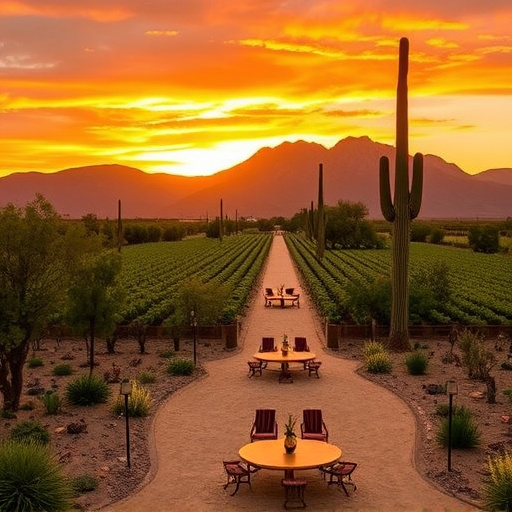
Identifying wheelchair-friendly tasting rooms in wine country requires a thoughtful approach to ensure an enjoyable experience for all visitors. When exploring southern Arizona wineries, it’s encouraging to note that many establishments have embraced accessibility standards, offering welcoming spaces for individuals using wheelchairs. This shift reflects a broader industry trend towards inclusivity and reflects the diverse needs of today’s wine enthusiasts.
The key to finding suitable tasting rooms lies in advance planning and clear communication. Many wineries proudly display their accessibility features on their websites, including dedicated wheelchair access points, ramped entrances, and accessible seating areas. Websites often provide detailed floor plans, offering visitors a chance to assess the layout before their visit. For instance, several highly-rated southern Arizona wineries, such as Sonoran Ridge Winery and Magic Valley Vineyard, have implemented comprehensive accessibility measures, ensuring every guest can indulge in the tasting experience without barriers.
Practical insights for visitors include verifying accessibility details directly with the winery, especially if specific requirements exist. Many businesses are happy to provide this information over the phone or via email, ensuring guests’ peace of mind. Additionally, checking online reviews from other wheelchair users offers valuable firsthand accounts of each winery’s accessibility. This collective knowledge allows individuals to make informed decisions and choose establishments that genuinely welcome visitors with diverse mobility needs.
Best Practices for Accessible Wine Tours
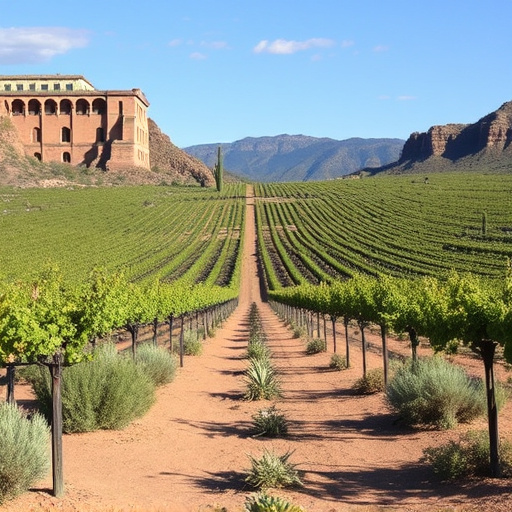
For wine enthusiasts who rely on wheelchairs, exploring southern Arizona wineries can be a delightful yet challenging experience. Accessible wine tours demand thoughtful planning to ensure an enjoyable journey for all. Best practices involve early communication with vineyards to confirm accessibility features like ramped entrances, accessible parking, and wheelchair-friendly tasting areas. Many top southern Arizona wineries naturally embrace inclusivity, boasting dedicated spaces and staff trained in accommodating diverse needs.
Some leading properties stand out for their commitment to accessibility. For instance, certain renowned estates in the region offer reserved tours tailored for individuals using wheelchairs, complete with accessible transportation options. These wineries often feature multi-sensory experiences, allowing visitors to engage beyond visual perception. Tastings may include descriptive narratives and aroma descriptions to cater to different abilities.
Beyond physical accessibility, expert tour guides play a pivotal role in enhancing the experience. They should be well-versed in sharing information about each wine’s origin and characteristics using clear, concise language. This approach caters to all participants, including those who are visually impaired or have cognitive disabilities. Moreover, providing tasting notes in written form or through audio guides can significantly improve engagement for a diverse audience.
Enhancing the Experience: Services and Amenities
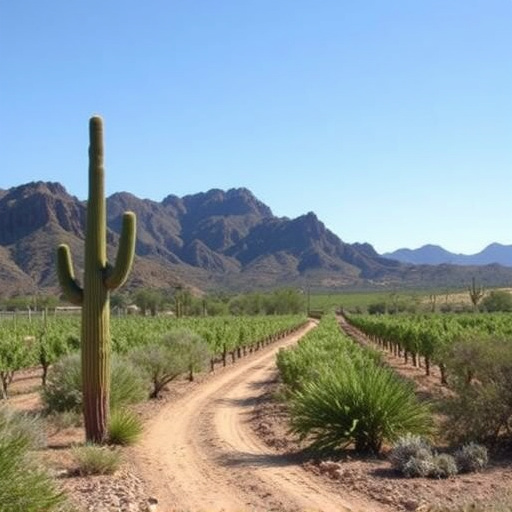
In the realm of wine appreciation, accessibility should never be an afterthought, especially in picturesque wine country. For individuals using wheelchairs, navigating through scenic vineyards and tasting rooms can present unique challenges. However, southern Arizona wineries have been making strides to enhance their offerings, ensuring that every visitor, regardless of mobility, can fully immerse themselves in the sensory experience. Many establishments now boast wheelchair-accessible entrances, wide aisles, and dedicated parking spaces, setting the stage for an inclusive visit.
The real game-changer lies in the services and amenities specifically tailored for wheelchair users. Some southern Arizona wineries offer specialized tours with accessible vehicles or trained staff members who provide personal assistance. Tasting rooms with lower countertops allow for comfortable seating, enabling visitors to indulge in wine tastings at their own pace. Moreover, many venues have made their outdoor spaces more inclusive, featuring wheelchair-accessible patios where patrons can savor the fresh air and stunning vineyard views. These thoughtful adaptations not only ensure accessibility but also enrich the overall visitor experience, fostering a deeper connection with the local wine culture.
According to recent industry surveys, there’s a growing demand for accessible tourism options, and southern Arizona wineries are responding positively. By implementing these inclusive practices, they attract a broader clientele, including families with young children in strollers or individuals with various physical needs. This shift not only benefits visitors but also positions these wineries as leaders in the industry, showcasing their commitment to accessibility and hospitality. When planning a visit, travelers are advised to check each winery’s website for detailed information on accessibility features, ensuring a seamless and memorable wine country escapade.
In conclusion, this article has illuminated the growing trend of wheelchair-accessible tasting rooms within wine country, with a particular focus on Southern Arizona wineries’ commitment to inclusivity. By exploring key aspects such as identifying friendly spaces, best practices for tours, and enhancing amenities, readers now possess invaluable insights to navigate and enjoy these experiences. Understanding the importance of accessibility in vibrant wine regions like Southern Arizona naturally paves the way for a more inclusive industry, ensuring that all enthusiasts can partake in the richness of local wines and scenic landscapes. These practical takeaways empower individuals to advocate for and support accessible spaces, fostering an environment where everyone can indulge in the art of wine appreciation.